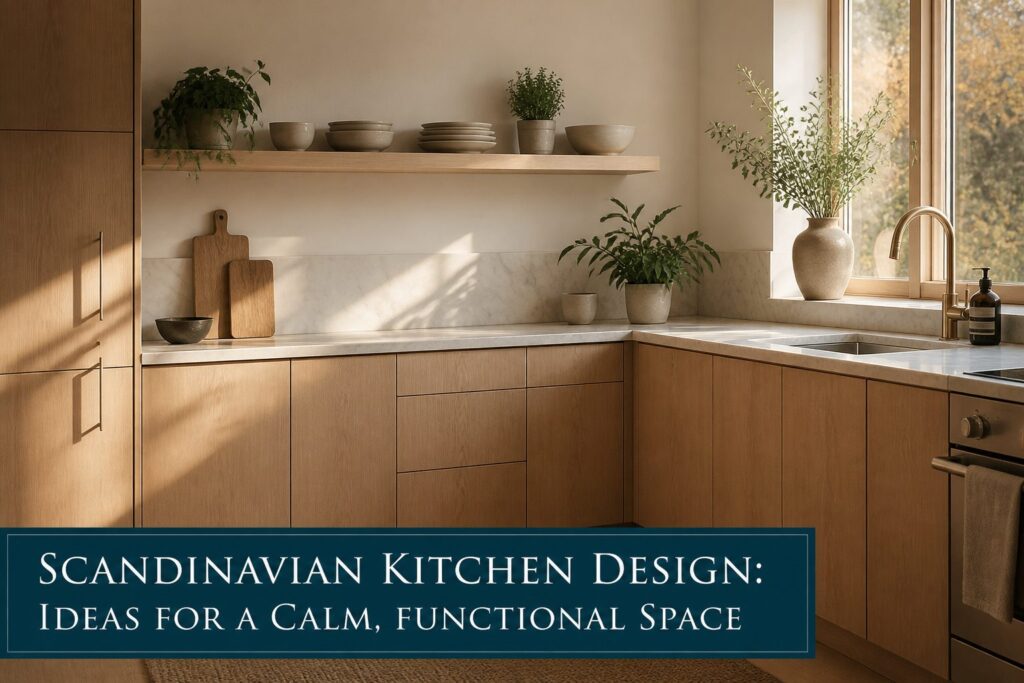
Scandinavian kitchen design is a style built to do one thing first: catch and spread light.
What makes it work in American homes is the same 80/20 rule that keeps Nordic kitchens livable, 80 percent closed storage hiding daily clutter and 20 percent open shelving for the pieces you actually want to see.
A single white oak floating shelf at roughly $15 per linear foot can anchor the look, but only if the discipline behind it holds.
1. Calming Color Palette
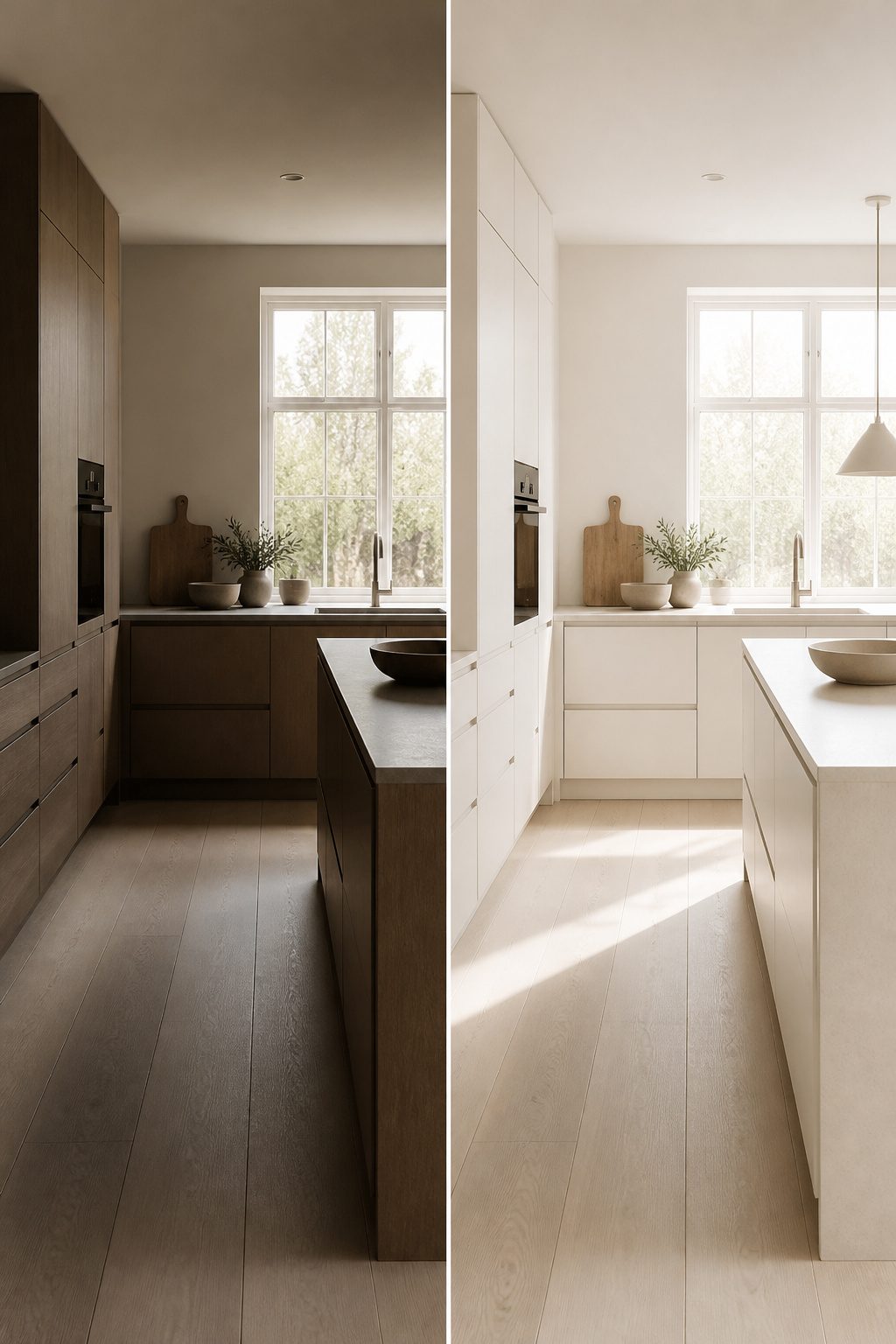
White cabinets remain the signature choice in Scandinavian kitchen design because they do what the palette was built to do: catch and spread whatever light is available.
In Nordic winters, daylight shrinks to a handful of hours, so the interiors evolved to amplify every photon rather than compete with it.
That same logic transfers cleanly to American kitchens, where window counts tend toward average and the light depends on orientation and season more than latitude.
The palette runs to soft whites, eggshell, warm grays, and the occasional muted blue, all of which reflect rather than absorb.
I would skip any color with enough saturation to cast a shadow on itself. Wood floors in a pale stain extend the effect downward, and matte wall paint keeps the bounce soft rather than glaring.
For worktops, the same rule holds: lighter stone or wood-look surfaces keep the visual temperature up where northern kitchens need it, and where most US kitchens benefit from the same lift without adding a single fixture.
The practical payoff shows up in the afternoon.
A kitchen that reads bright at 10 a.m. can turn dim by 4 p.m. in December. A white cabinet front with a warm, not stark, undertone holds its lightness through that transition without going clinical.
I have seen cooler whites read almost gray by dusk, which defeats the purpose. The warmer eggshell and soft gray ranges the sources name are the safer bet for the hours when you are actually cooking.
Recommended Products

Ample Storage Space: The buffet cabinet features 3 doors and 2 drawers to meet your various needs. The spacious top offers easy access to items, the convenient drawers help keep cutlery neatly organized, and the cabinet interior includes a shelf, providing generous space for storing mugs, spare tableware, and other essentials.

.【FUNCTIONAL STORAGE CABINET】: This vertical storage cabinet is designed with 2 doors, 2 drawers, and 1 adjustable shelf which offers neat organization and ample storage space. It can be used as a kitchen pantry, a sideboard, a cupboard, or even a bookcase with doors to organize your books. Explore the versatile uses of this cabinet with your imagination!

【Fashion and Sturdy Design】The white food pantry cabinet comes with 2 gold metal door handles,the beautiful lines emit an elegant atmosphere,the kitchen cupboard is made of high-quality steel, which is very sturdy.
2. Minimalist Aesthetics with Purpose
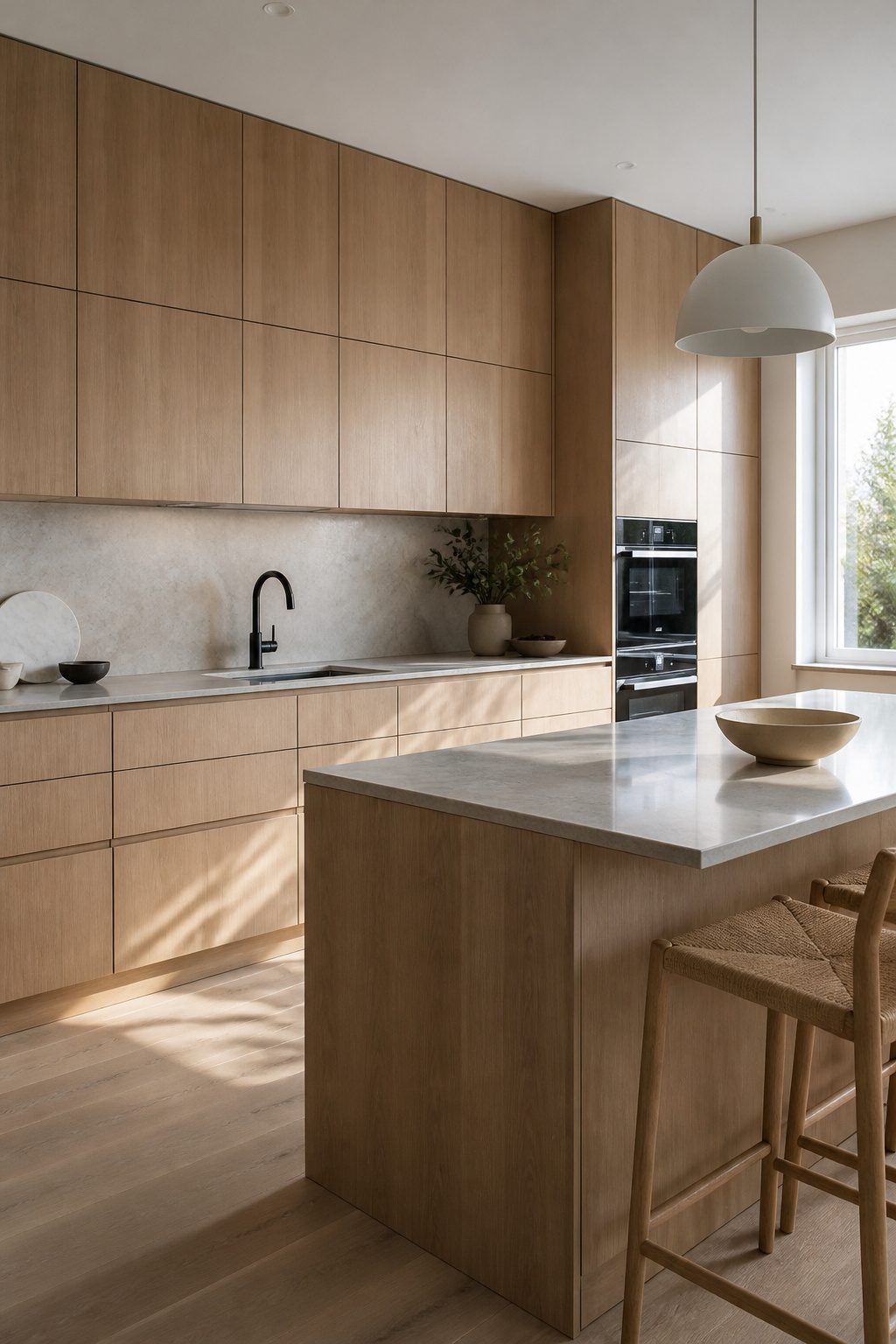
Flat-front cabinetry reads as the defining move in a Scandinavian kitchen because the surface stays quiet. No raised panels, no hardware shouting for attention, just a smooth plane that lets the eye rest.
I look for integrated appliances next: a refrigerator finished in the same paneling as its neighbors, a dishwasher with a handle hidden in the toe-kick.
The line stays unbroken across the whole wall, and that continuity is what keeps the room from feeling like a showroom.
The coldness people expect from minimalism usually comes from storage that looks good on day one and falls apart by Wednesday. The 80/20 rule fixes this: 80 percent closed storage, 20 percent open.
You get the airy feel of a floating shelf for the coffee cups you reach for every morning, then hide the blender, the bulk rice, the plastic containers your roommate left behind.
The ratio is livable because it admits real habits. Most households cannot maintain a kitchen where every tool faces outward; the 20 percent open is the curated part, the 80 percent closed is what makes the look hold through a busy week.
Clean lines work the same way. A countertop without the usual lip of trim, cabinets that meet the ceiling without a fussy crown, these are not aesthetic poses.
They remove the ledge where dust collects and where you would otherwise prop mail you mean to sort. Every choice ties to daily use, and that function is what warms the space.
Recommended Products

Wood Shelf for Wall: This floating shelf comes with 1 towel rack and 8 S-shaped removable hooks is very for every scene in the home, such like bathroom shelf, kitchen shelf, storage shelf and etc

𝐌𝐨𝐝𝐞𝐫𝐧 & 𝐌𝐢𝐧𝐢𝐦𝐚𝐥𝐢𝐬𝐭 𝐒𝐭𝐲𝐥𝐞 - Featuring clean lines and a rustic brown finish, these wall-mounted shelves bring warm farmhouse charm and modern style to any space. Perfect as shelves for room decoration, book shelves display, and rustic farmhouse wall decor — they elevate your bathroom wall art vibe, bedroom aesthetic, living room style, kitchen organization, office setup, and laundry room storage all in one versatile design

Rustic Floating Shelves - It is made of solid wood, very sturdy. Features rustic style, finished with beautiful wooden texture on the surface which could enlighten any dull wall in your room. And it comes with 2 set, which can efficiently extend your storage space.
3. Functional, Elegant Lighting
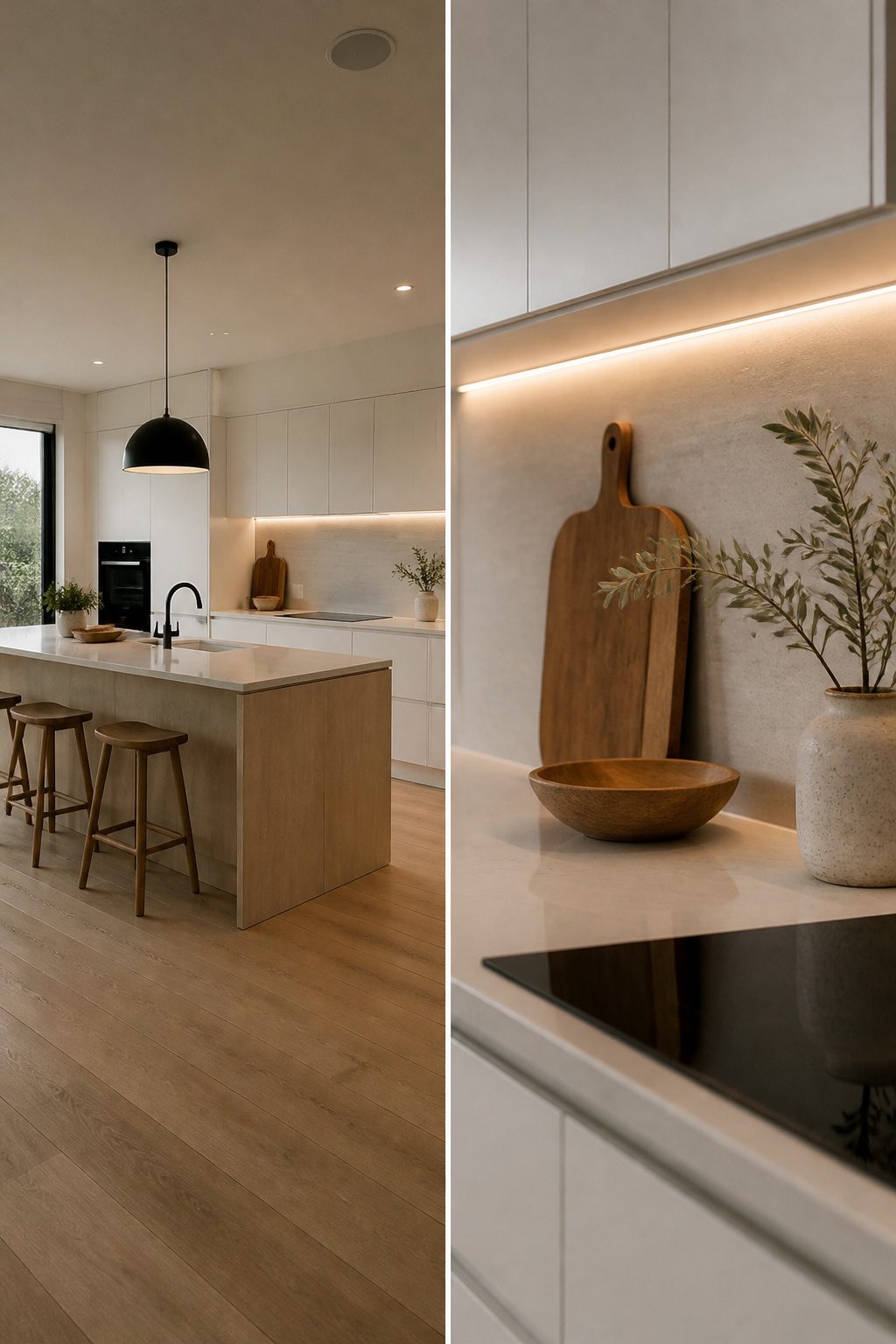
Pendant lights over an island or dining table give a Scandinavian kitchen its focal point, but the real work happens in layers.
Recessed ceiling fixtures handle general illumination without cluttering the sight lines, while under-cabinet LED strips in the 2700K to 3000K range supply the task lighting where you actually prep food.
Self-adhesive strips are inexpensive, install in an afternoon, and make an existing kitchen feel immediately more intentional.
Three light types operating at once is the standard here, not an upgrade.
The warm glow from below cabinets doubles as evening ambiance when overhead fixtures stay off, which matters in a design built around long winters and the idea of hygge.
Fixture finishes divide cleanly into what reads authentic and what will date itself. Matte black, brushed brass, and crisp white hold the line; they reference the materials Scandinavian design actually uses, like wood and ceramics in simple geometric shapes.
Trendier finishes come and go, but these three stay coherent with the palette and the hardware choices you’re already making.
I would skip anything high-gloss or ornate. The restraint is the point.
Recommended Products

【100% Solid Wood Wall Shelf - Sturdy & Durable】 The wall shelf made of high-quality solid wood, it is eco-friendly and odorless. With a robust structure and strong load-bearing capacity, this floating shelves won’t deform easily even after long-term use, providing reliable support for your ornaments, green plants, daily necessities, and more. Enjoy long-lasting durability and peace of mind.

Multipurpose 5 tier metal shelf rack provides 5 layers of storage space in small areas like kitchen, bathroom, garage, bedroom
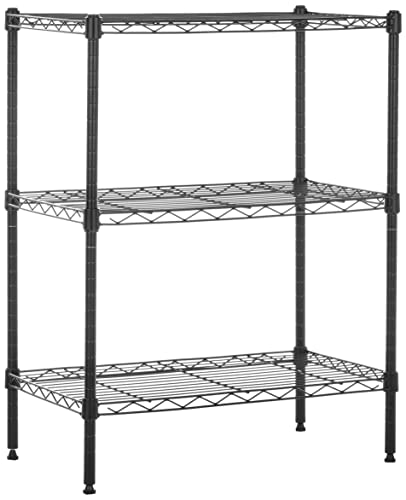
3 shelf wire rack offers handy storage space and easy access to tools and supplies
4. Natural, Textured Flooring
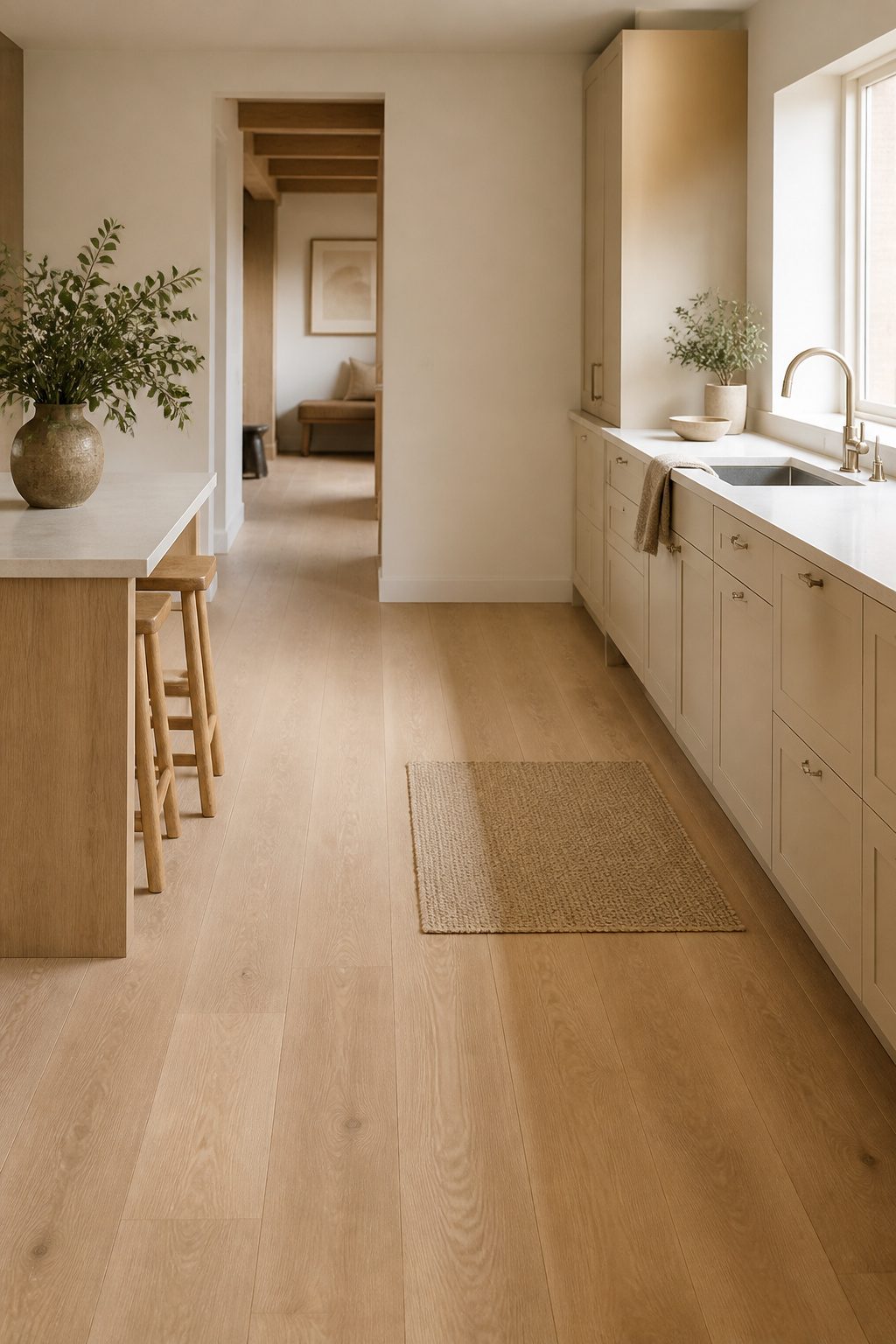
Light-colored wood floors carry the same quiet logic as the rest of a Scandinavian kitchen. Oak, ash, and birch each read as warm without shouting, and that restraint matters in a room where every surface counts.
I tend toward white oak when the budget allows for solid hardwood. It takes stain evenly, ages without turning pink, and holds up to the grit and drip of kitchen traffic better than the softer alternatives.
Ash dents more easily under a dropped canister; birch stains blotchy if the grain isn’t sealed with care first.
Where solid hardwood is off the table, either because your subfloor is concrete or because the cost pushes past $8–$12 per square foot installed, engineered planks with a thick wear layer solve most of the problem.
You get the same species, the same matte finish, and a surface you can sand once or twice if the wear layer runs 2 millimeters or more.
Skip the cheap stuff with a paper-thin veneer. It looks fine for a year, then the kitchen reveals it.
Recommended Products

ALL-IN-1 PAINT & PRIMER: A hardy multi-purpose and multi-surface one-coat paint and primer in one for almost any indoor or outdoor surface. A wall, ceiling, floor, skirting board, cabinet, furniture and door paint for your bathroom, kitchen, home and garden.

Includes Three Shades to Match 90% of Surfaces: We offer two color shades of Matte Beige and one Matte White to instantly achieve the perfect color match. Eliminating the need for color charts, returns, and waiting for the right color to arrive. Instead, match to one of the two beige colors or mix colors and match to your desired shade.

Measures approximately 11"x6"
5. Smart Storage Solutions
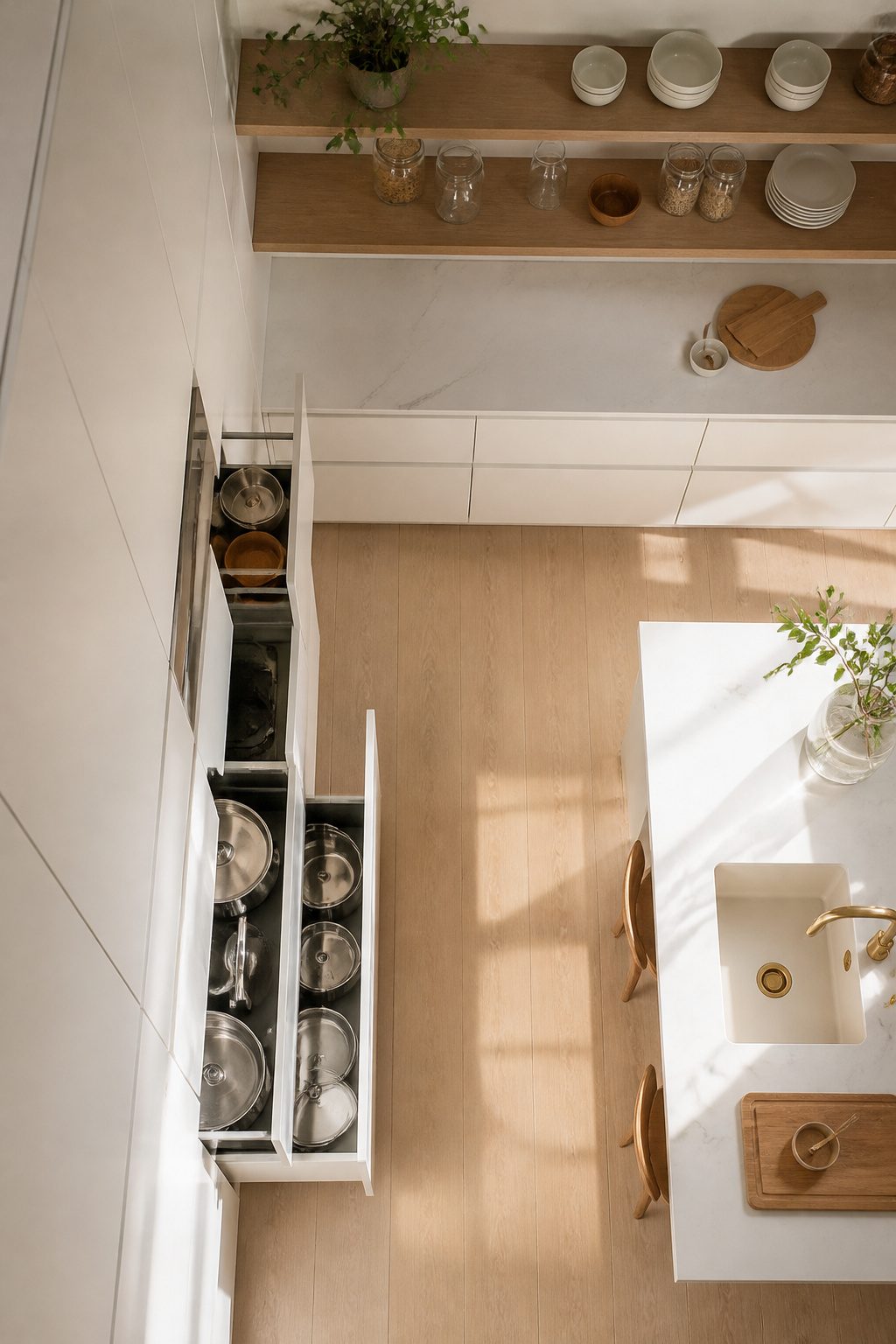
Storage in a Scandinavian kitchen works best when most of it disappears. The 80/20 rule keeps the look intact: roughly 80 percent closed cabinets and 20 percent open shelving.
More open than that, and most households cannot maintain the arrangement day to day. Closed storage hides the everyday clutter of cooking; open shelves hold only what you use constantly and do not mind seeing.
This ratio matters more in small kitchens, where every visual inch counts. Floor-to-ceiling cabinetry eliminates the dead space above standard uppers that collects dust and reads as unfinished.
The continuous line draws the eye upward and elongates the room. Inside those tall cabinets, pull-out drawers for pots and pans beat fixed shelves because you can see and lift a heavy Dutch oven without crouching and reaching.
For the open 20 percent, floating shelves in a light oak finish run about $15 per linear foot in materials.
Style them with white dishes, wooden cutting boards, and glass jars for pantry staples. Keep lower cabinets simple and functional: soft-close drawers with brass cup pulls around $8 each give warmth against white without looking busy.
Recommended Products

Roomy Storage: This buffet cabinet utilizes 2 large drawers for utensils or napkins and 2-tiers offering storage space for plates, plastic containers, pots, or pans. Keep organized behind doors so your items stay safe and dust-free. The shelf inside is 3-level adjustable to meet various storage needs.

Large Storage Space Cabinet: The buffet cabinet incorporates both open and closed storage space to meet your different needs. Spacious tabletop can place items for easy access, two handy drawers help classify knives and forks neatly, while two bottom cabinets each with internal shelf offer smart space to accommodate mugs, extra dishware, and other essentials.

Spacious Vertical Storage: Keep your bathroom or kitchen organized with 6-door design and multiple compartments that maximize vertical storage without taking up much floor space
6. Personal Touches and Hygge
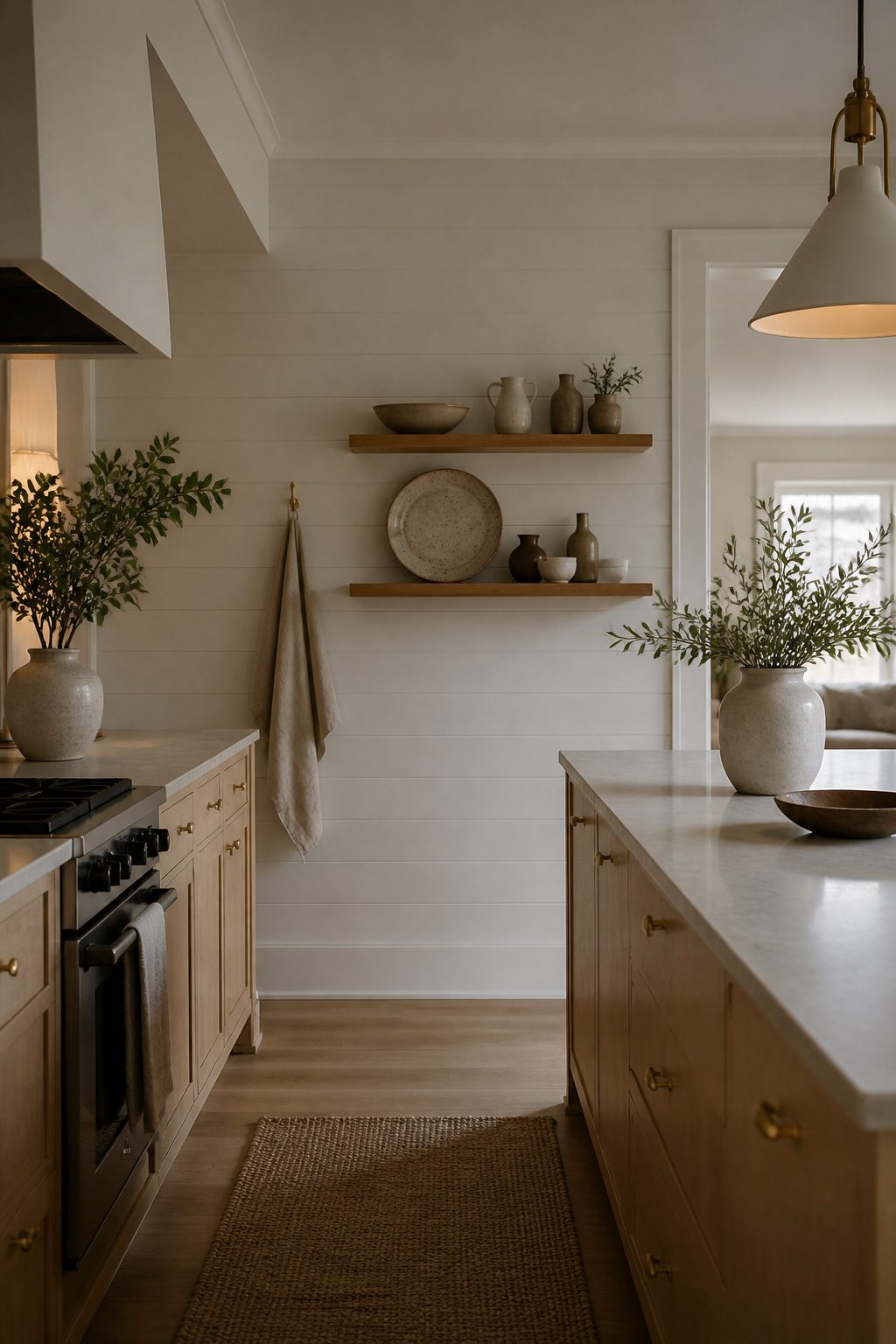
A Scandinavian kitchen lives or dies on whether you actually want to spend Sunday morning there. Hygge, the Danish habit of building comfort through small sensory details, is what separates the look from the life.
In practice, hygge in the kitchen means textiles and ceramics placed where you will physically encounter them: a linen hand towel on a brass hook, a heavy ceramic plate left out on open shelving, a soft rug under bare feet at the sink.
The textiles matter most because they are the hardest to get right. Cotton and linen survive the humidity shifts near a stove; wool felts and shrinks with steam, and synthetic blends will melt if they brush a burner.
I keep only one rule here: buy the towel you want to use, not the one that matches perfectly. A stripe or a faded block print beats a showroom neutral because you actually reach for it.
Ceramics do similar work. Handmade pottery carries the slight irregularity that makes a shelf feel collected rather than staged.
The weight of a mug, the rim on a bowl: these are things your hands register before your eyes do. A few pieces out in the open, not a full matched set, keeps the kitchen from sliding into display mode.
The trade-off is dust and grease. Open shelving with ceramics means wiping rims before use, and textiles near cooking zones need washing more often than tucked-away linens.
I accept the maintenance because the alternative, a kitchen that photographs well but feels sterile at 6 a.m., misses the point entirely.
Recommended Products
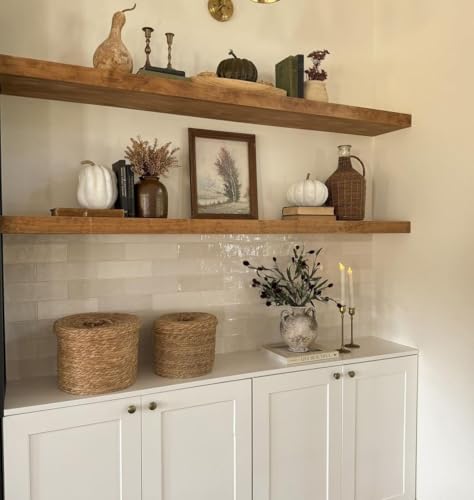
【Real wood 】These floating shelves for wall is made of 100% natural solid wood with a non-toxic and harmless varnish coating. This 36 inch floating shelves has its own wooden node and grain.The texture is very clear,The smooth surface is easy to clean.

[2 Tier Floating Shelves for Wall]: Decorative wall shelves are designed to save space and don't take up much space when mounted on the wall, ledges provide more storage space for additional items or decorations, and modern style ledges easily blend into any room decoration scene to make your pieces more chic and eye-catching
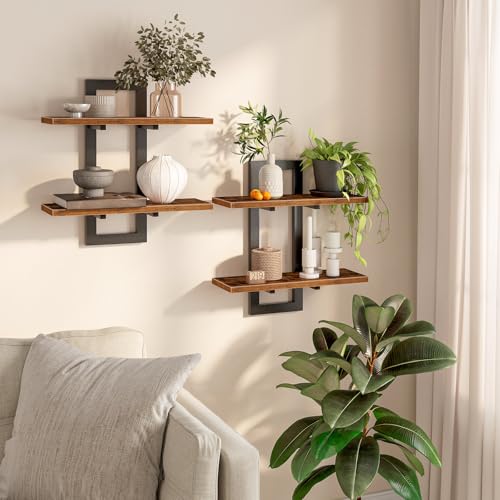
Double-Layer Storage: Measuring 15.0"L x 5.3"W x 15.7"H, the floating wall shelves features a double-layer design, and don't take up much space when mounted on the wall, the 2-tier wall shelf providing more storage space to place additional items, book or decorations while making full use of wall space, creating a neat and cozy home environment
7. Sustainable Practices
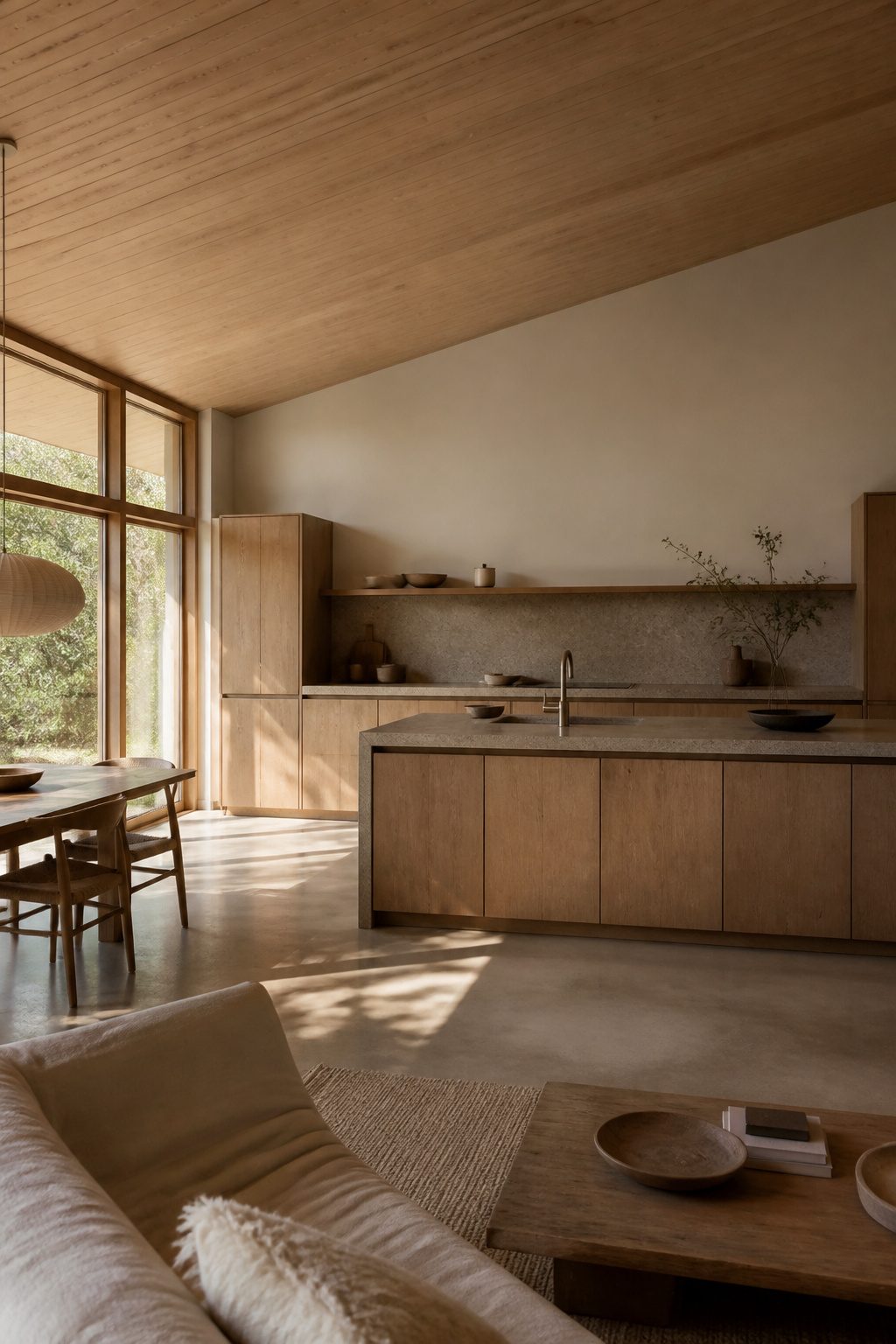
Sustainability runs through Scandinavian kitchen design like a material fact, not a sticker on the appliance.
Energy-efficient appliances with high ratings matter more here than in most styles because the aesthetic itself grew out of Nordic climates where resources were never taken for granted.
I look for recycled wood or composite cabinets before I consider virgin stock, and stone-alternative countertops carry the same visual weight without the quarry footprint.
Water-saving faucets fit the restrained palette without shouting about it, and LED lighting is assumed, not celebrated. The choice that actually changes how you use the space is whether to build in composting.
Sources disagree on this: some treat it as standard, others as extra. I lean toward integrating it if you cook with vegetables more than twice a week, since Scandinavian kitchens are built around real daily use rather than performance.
Bamboo and reclaimed stone come up often, though I prefer locally sourced material when the mileage difference is significant.
The thrifted approach also belongs here, solid wood tables from the 1960s carrying both the ethos and the durability that disposable furniture lacks.
Quality that lasts is the sustainable practice; the rest is choosing which materials to prioritize for your own project budget.
Recommended Products

CHECK THE SIZE: This J shelf brackets fit the nominal 1”x 12” and 2” x 12” (actual 0.75” x 11.25” and 1.5” x 11.25”) lumber board, measure 11.25” x 6” x 1.5”(broad is not included)

UPGRADED DURABILITY & STYLE WITH WOODEN BOARDS: Features sturdy metal wire grids topped with Sturdy wooden boards on each shelf. This unique combination significantly increases load capacity (vs. wire-only), provides a smoother surface for delicate items, prevents small objects from falling through, and adds warm, natural aesthetics to any room.
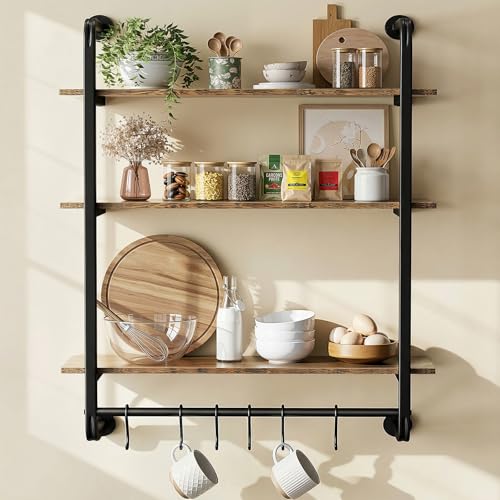
𝗥𝗲𝘁𝗿𝗼 𝗜𝗻𝗱𝘂𝘀𝘁𝗿𝗶𝗮𝗹 𝗦𝘁𝘆𝗹𝗲: Kssiaz 3-tier industrial pipe shelving has a unique water pipe designgive your home a vintage feel. Great for displaying souvenirs, collections, photos, books, trophies, food containers and tableware. As a bookshelf in the farmhouse or living room or as wine rack in the bar, any other where you want to install.
8. Biophilic Elements
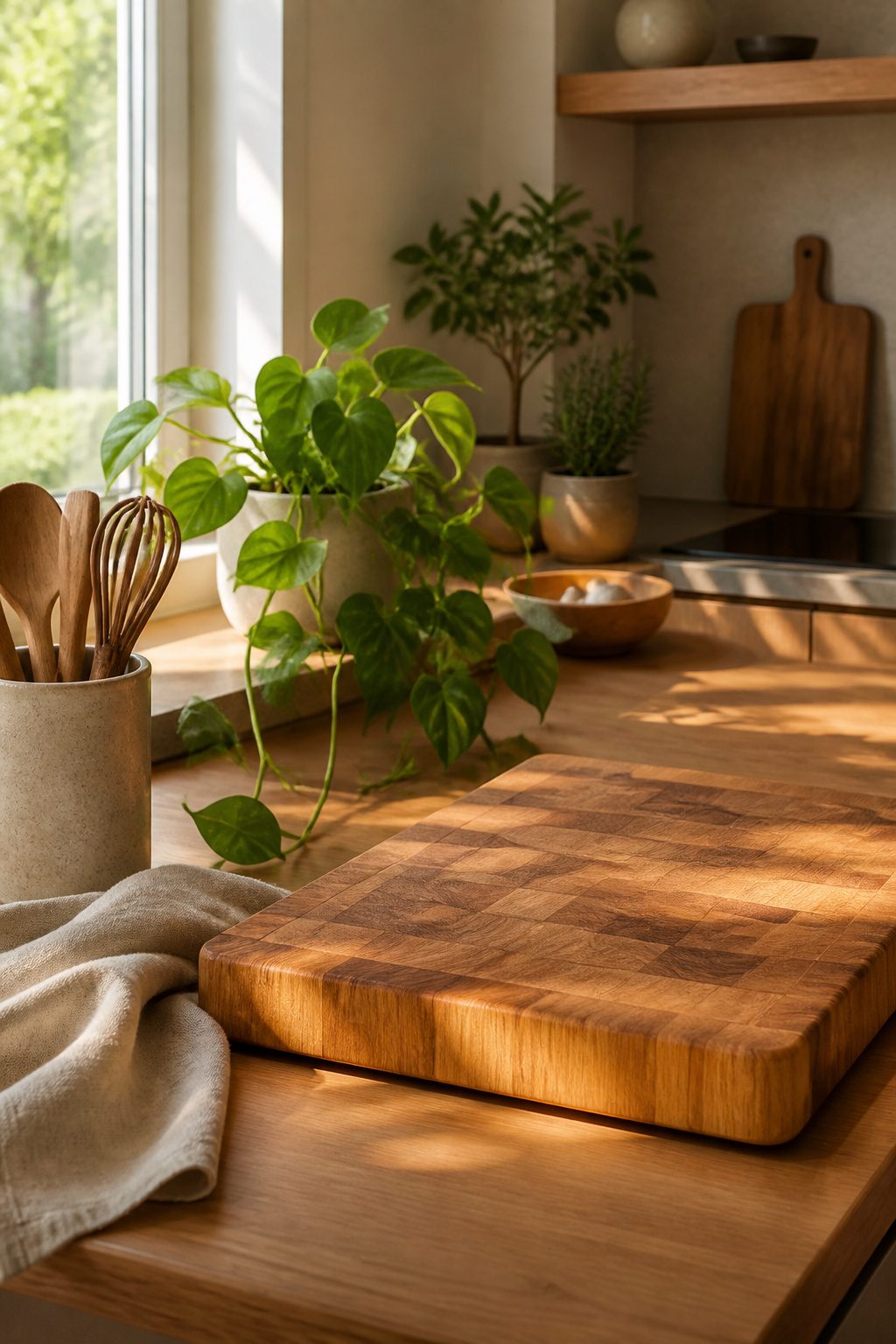
Plants in a kitchen face a specific reality: steam, shifting light, and the occasional forgotten watering day.
Pothos, snake plants, and ZZ plants handle this better than most. They tolerate the humidity spikes near a stove and the dim afternoon light that reaches past a window sill without browning or dropping leaves within days.
Keep them on a shelf or hang one near the window, and you get the green hit without the maintenance panic.
Natural materials carry the same intent without the living element.
A cutting board with visible end-grain beech, stone trivets with rough edges, or linen napkins that soften with each wash all bring in the texture and variation that Scandinavian design uses to keep minimalism from reading as sterile.
Wood grain on open shelving does the same work: the knots and color shifts make the wall functional and alive without a single leaf in sight.
The balance matters.
One trailing pothos and a few wooden tools or a stone mortar on the counter hits the note. A row of pots along every window turns the kitchen toward greenhouse territory, which crowds the calm you’re after.
I keep it to three plants at most in a standard galley kitchen, and let the materials do the rest of the talking.
Recommended Products

【Claude Monet Collection】: Immerse yourself in the timeless beauty of Claude Monet's art with this set of 6 Monet prints. Each piece showcases the artist's famous artwork, perfect for art enthusiasts and Monet lovers.
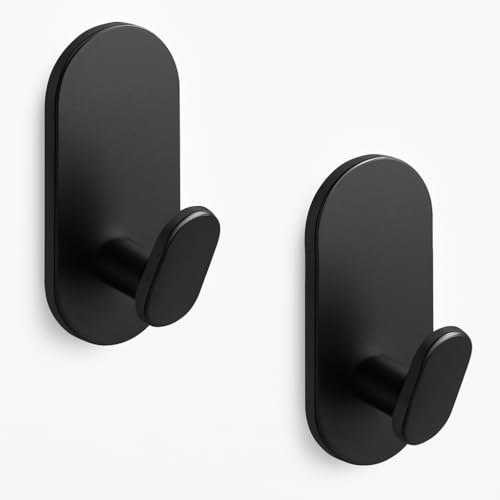
2-Pack Adhesive Wall Hooks: There are 2pcs adhesive hooks for hanging in the package. The adhesive design makes the sticky hooks more minimalist. Stylish towel hooks for bathrooms adhesive are beautiful and fashionable, suitable for your bedroom, bathroom, kitchen, and entryway

Includes 30 featured and newest released color card. Sprayed on color to see our colors in your homes lighting for more accurate color choices.
9. Statement Lighting
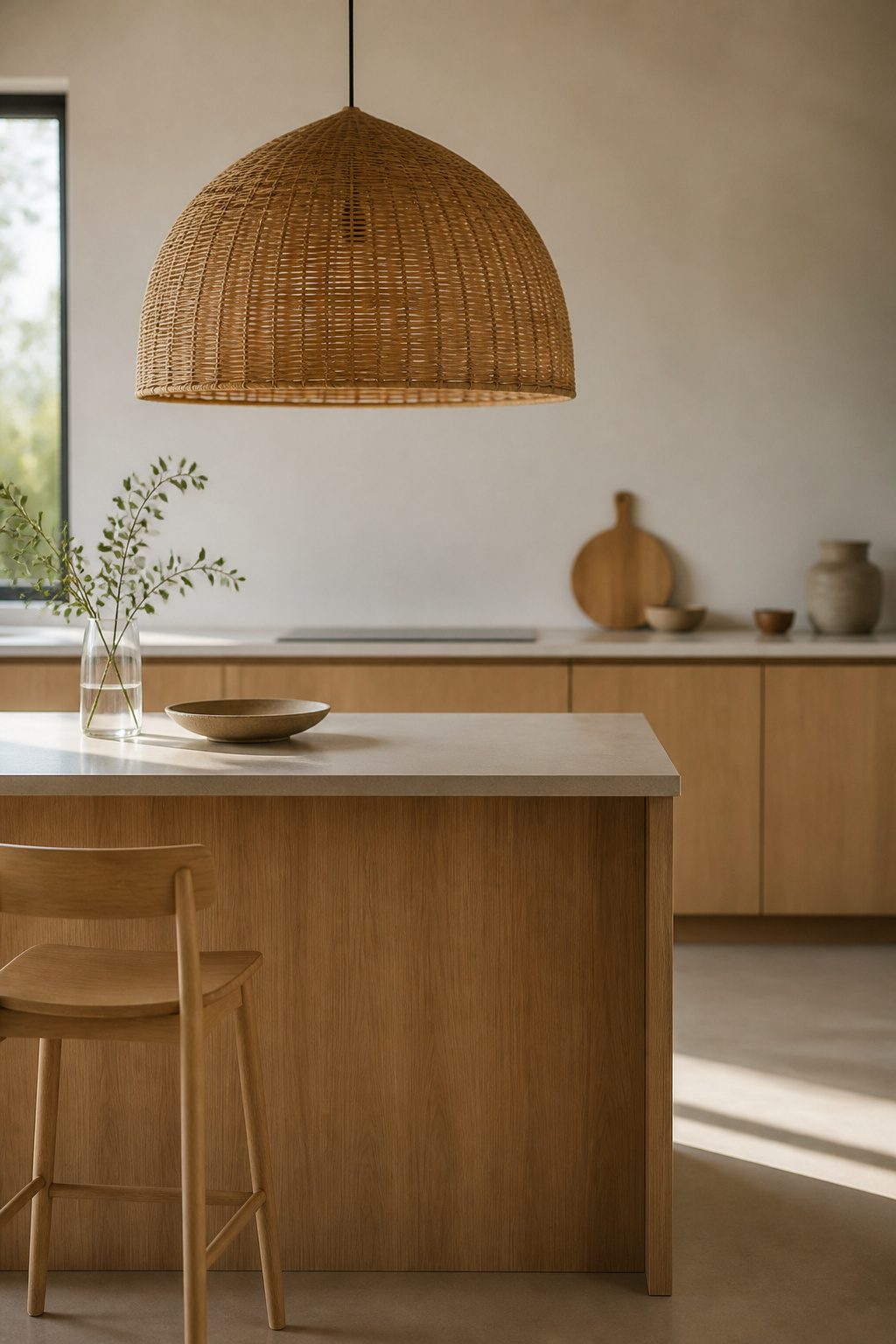
A single bold pendant over the island is the one decorative risk a Scandinavian kitchen takes, and it only works if the rest of the lighting stays quiet.
I see too many kitchens where three competing fixtures cancel each other out; one strong shape in rattan, metal, or ceramic does the warmth work of several.
Scale matters more than most people expect. A fixture too small above an island reads apologetic, while oversized pendants in simple geometric shapes anchor the whole room without cluttering it.
Placement is straightforward: centered over the island or dining area, low enough to pool light on the surface but high enough that no one ducks. The 2025 direction leans sculptural, pieces that read as art objects when switched off.
Under-cabinet LED strips handle the actual work of food prep; the pendant’s job is atmosphere, not lumens. One is enough.
Add a matching pair only if the island runs longer than eight feet, and never hang them at different heights. The line between curated and overdone is exactly one fixture wide.
Recommended Products

【Ample Storage Space】 With 4 doors and 2 spacious drawers, this buffet cabinet is a stylish and functional storage solution for your home. The 55-inch length tabletop is ideal for microwave, coffee maker. The drawer and storage inside offers large storage for dishes, glassware, bar essentials, or household items, perfect as a sideboard and additional kitchen storage.

🍨【Ample Storage Space】Are you still worried about the messy utensils? Now the buffet cabinet can help you keep your dining area tidy and organized. You can place nice-looking cups on the 2 open shelves, and use inside shelves(3 adjustable height) to store canned and boxed foods, plates, and table cloths. Ideal for bread maker or microwave oven on the spacious tabletop.

▶ Quality is very good: the surface of the wooden wall board uses non-painted stickers, smooth and delicate, easy to clean and maintain. The classic white surface suits your different rooms. The inner board of the cabinet is thick, the structure of the cabinet is strong and durable,, and it has certain flame retardant and good wear resistance and anti-fouling.
Open Shelving Done Right
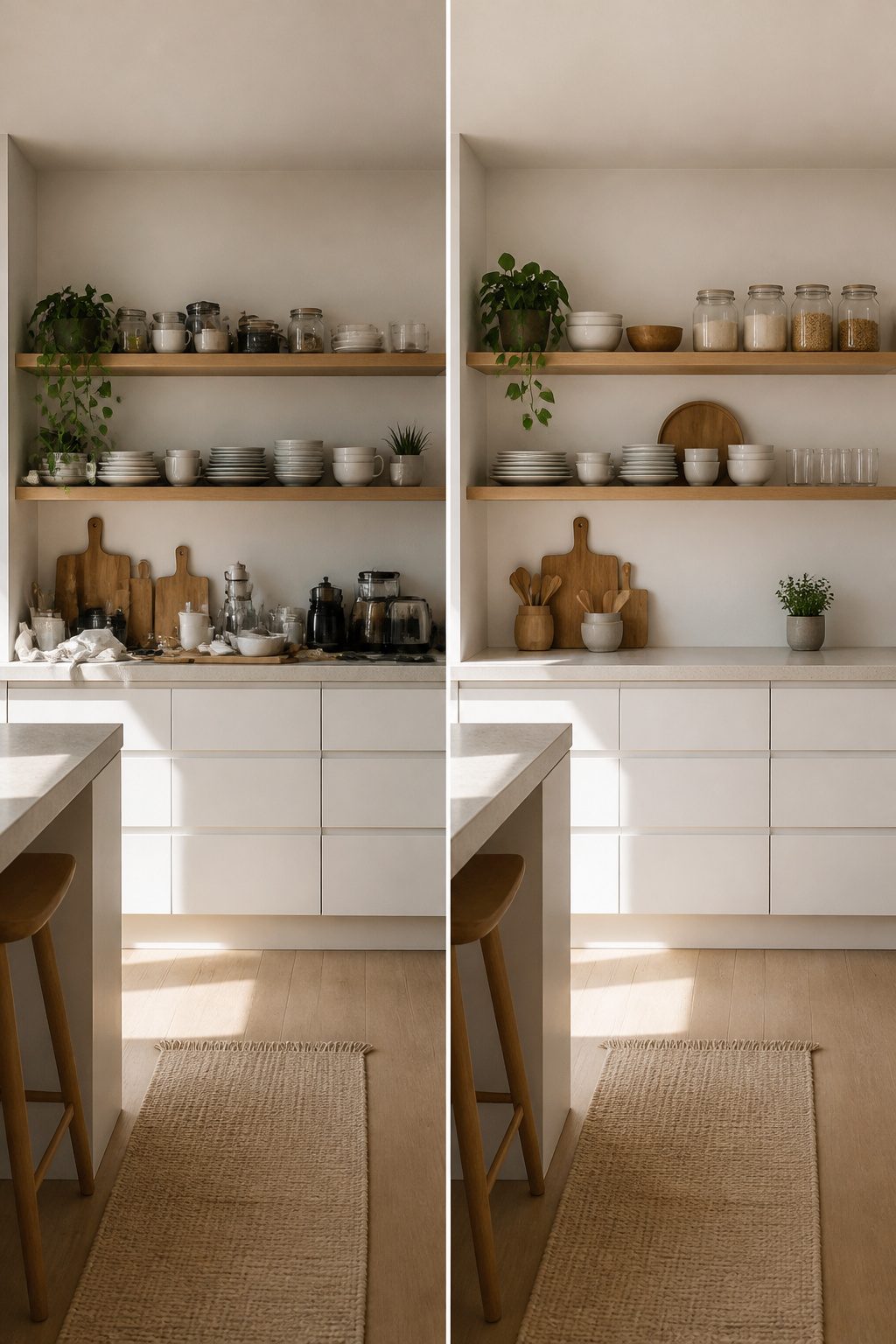
Open shelving is the first thing people picture when they think of Scandinavian kitchen design, and it is also the most likely to disappoint.
The shelves themselves are cheap enough; a few feet of 2×8 pine stained light oak runs about $15 per linear foot, far less than upper cabinets.
The hidden cost is the discipline required to keep them from becoming a dumping ground for mismatched mugs and last week’s cereal box.
The 80/20 rule is what makes open shelving survivable. About eighty percent of your storage should stay behind closed doors, with open shelves reserved for the remaining twenty.
That means everyday dishware you actually like looking at, wooden cutting boards, labeled glass jars for pantry staples, and maybe a plant or two.
Everything else, the cooking tools, the backup supplies, the mismatched pieces you cannot yet bring yourself to donate, lives in base cabinets. IKEA’s SEKTION line in white with soft-close drawers handles this well without the premium price tag.
Before you install a single shelf, edit what you own.
Open storage forces a decision about every item, which is the Scandinavian idea in practice, but most households cannot maintain the look if more than a fifth of their kitchen is exposed.
If you are not the kind of person who will restyle a shelf after unloading the dishwasher, skip the open uppers entirely and put the money toward better lower cabinets and hardware.
Brass cup pulls, maybe from CB2 at roughly $8 each, add warmth against white without demanding daily attention.
Recommended Products

Premium Materials: This floating shelves for wall features durable solid wood and sturdy metal construction with protective rails to keep items from falling. Each shelf showcases unique natural wood grain, offering strong weight capacity. Perfect for adding extra storage in your bathroom, bedroom, living room, home office, or kitchen
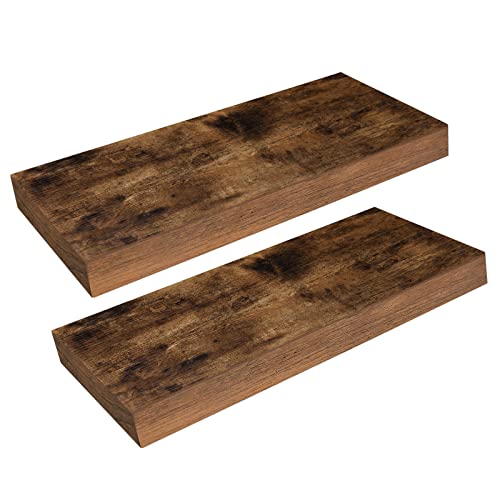
High Quality: Sized in 15.7"L x 7.9"W x 1.5"H. The 1.5" thick floating shelves for wall are fixed with Invisible and enhanced dual-pipe iron Brackets, stable with great load up to 22 lb per wall mounted shelf

What Scandinavian Design Actually Means
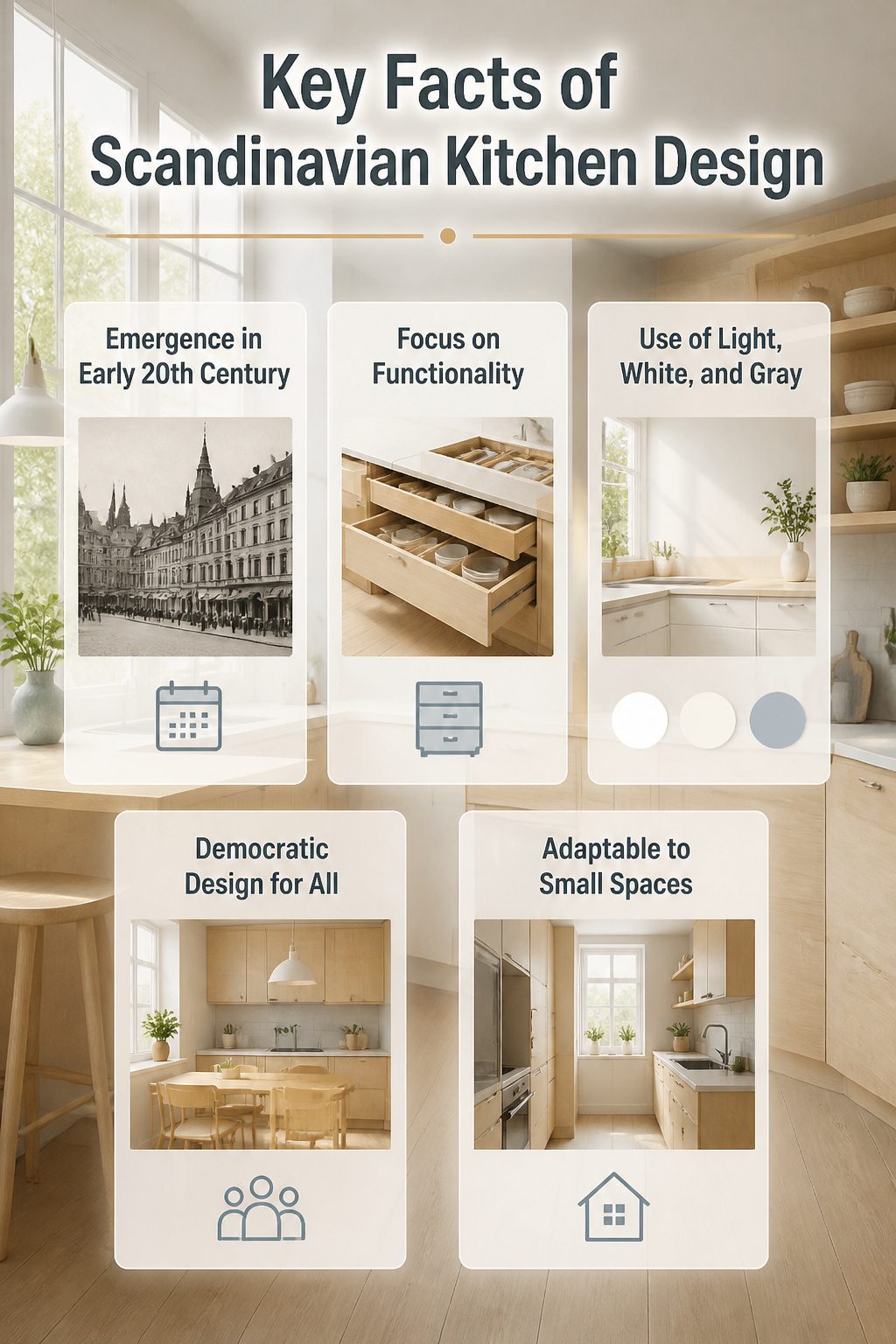
Scandinavian kitchen design emerged in the early 20th century from a simple problem: Nordic winters are long, daylight is scarce, and urban kitchens run small.
The response was not decoration for its own sake but democratic design, meaning functional, affordable spaces built for everyone, not showpieces for the few.
The movement took shape across Norway, Sweden, Denmark, and Finland, gaining worldwide attention by the 1950s.
Architects there called it Functionalism, and the priority was always usefulness first. Light became the critical material, with bright interiors countering dark days.
Honest materials like light oak and untreated surfaces carried warmth that sterile gloss could not. Windows grew large to harvest every hour of sun.
This is why the palette stays rooted in white, eggshell, and soft gray: these tones reflect what little daylight enters and stretch the sense of space in tight rooms.
The restraint is not aesthetic preference alone. It is climate response made cultural habit, then made design language.
A Scandinavian kitchen feels calm because it was engineered for survival in conditions most American kitchens never face, and that practicality is what still makes the style adaptable to a galley rental or a first home renovation on a weekend timeline.
Technology in a Quiet Kitchen
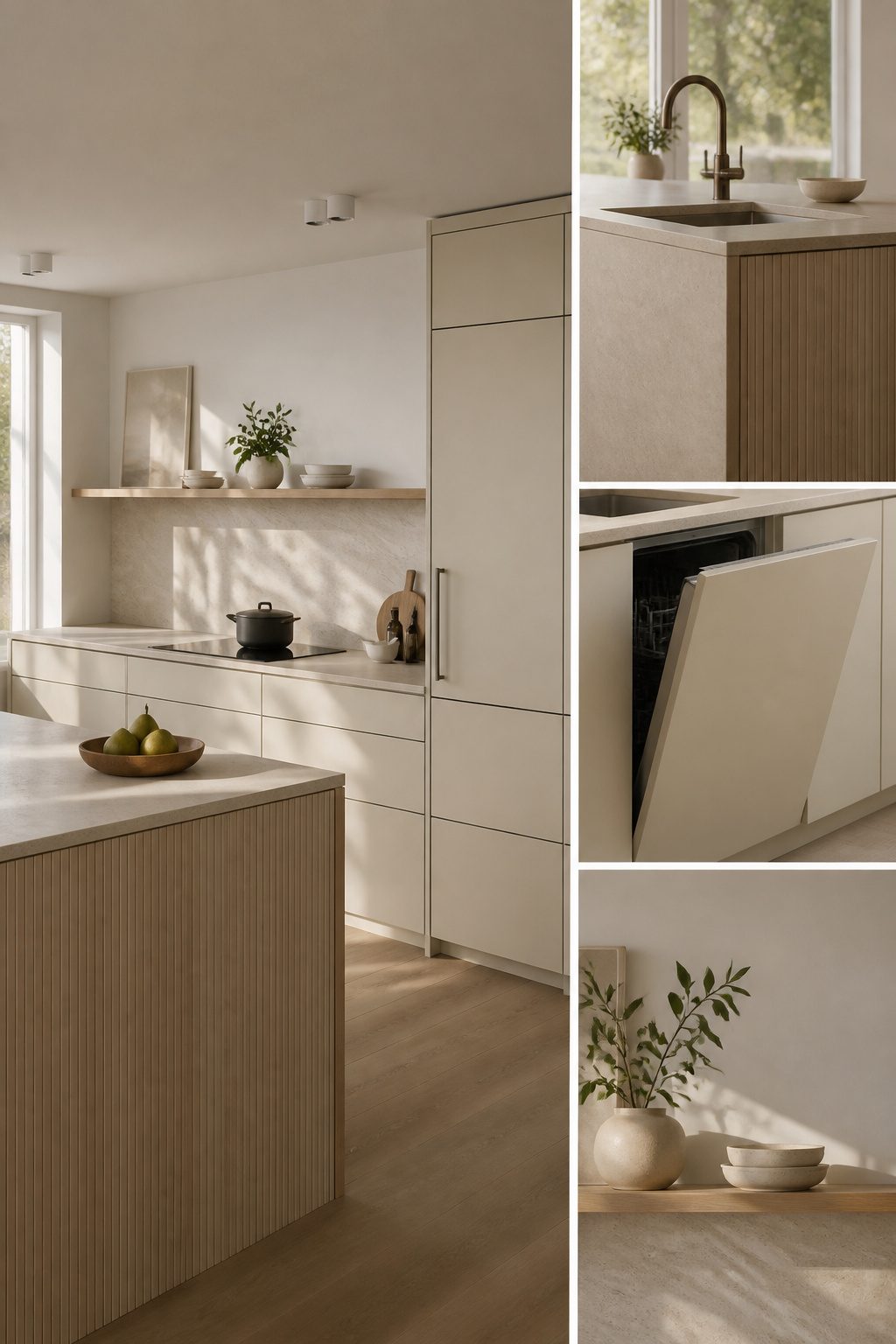
Integrated appliances keep the visual field clean in a way that freestanding units rarely manage.
Panel-ready refrigerators and dishwashers disappear behind cabinetry fronts that match the rest of the kitchen, and the jump from a standard dishwasher to a panel-ready one runs only a few hundred dollars.
In a small kitchen, that gap pays for itself in calm.
Induction cooktops and simple ovens without heavy branding or complicated controls suit the aesthetic better than their flashier counterparts.
The fewer logos, screens, and decorative bezels, the less the technology competes with the room’s quiet. Appliance design has gotten more restrained in recent years, which makes finding appropriate options easier than it used to be.
The rule is hide, not display. A concealed range hood beats a statement vent; matching front panels beat stainless steel if the goal is seamless.
Smart features are fine when they run in the background, but a refrigerator screen or a cooktop that alerts your phone undermines the same stillness the rest of the kitchen works to build.
The technology should serve the function and stay invisible.
Frequently Asked Questions
What colors are typical in a Scandinavian kitchen design?
Soft whites, eggshell, warm grays, and the occasional muted blue form the core palette.
These tones reflect light rather than absorb it, which grew from Nordic winters where daylight lasts only a few hours. Wood floors in a pale stain extend the effect downward, and matte wall paint keeps the bounce soft.
How do you maintain the minimalist look without sacrificing functionality?
The 80/20 rule keeps it livable: 80 percent closed storage and 20 percent open.
Flat-front cabinetry, integrated appliances, and countertops without trim lips remove visual clutter while also eliminating dust-collecting ledges. Every aesthetic choice ties to daily use, which is what warms the space.
Should a Scandinavian kitchen have open shelving?
One or two open shelves work, but they need the 80/20 balance behind them.
Display only what you use constantly and actually like seeing, white dishes, wooden boards, labeled glass jars. More open than that and most households cannot maintain the arrangement through a busy week.
What is Scandinavian home design?
It emerged in the early 20th century across Norway, Sweden, Denmark, and Finland as democratic design, functional and affordable rather than showpieces for the few.
Architects called it Functionalism, with light as the critical material to counter long dark winters. The restraint in color and form is climate response made cultural habit, then made design language.
What is a European kitchen?
The term generally refers to frameless cabinet construction, full-overlay doors, and a more streamlined look than traditional American face-frame styles.
A Scandinavian kitchen fits within this category but is specifically defined by its pale palette, natural materials, and the 80/20 storage rule that keeps minimalism livable.
What is a Japandi kitchen?
Japandi blends Scandinavian minimalism with Japanese wabi-sabi, the appreciation of imperfection and natural aging.
Both traditions value clean lines, natural materials, and restraint, though Japandi tends toward darker, earthier tones and a more deliberate asymmetry than the bright, light-filled Scandinavian palette.