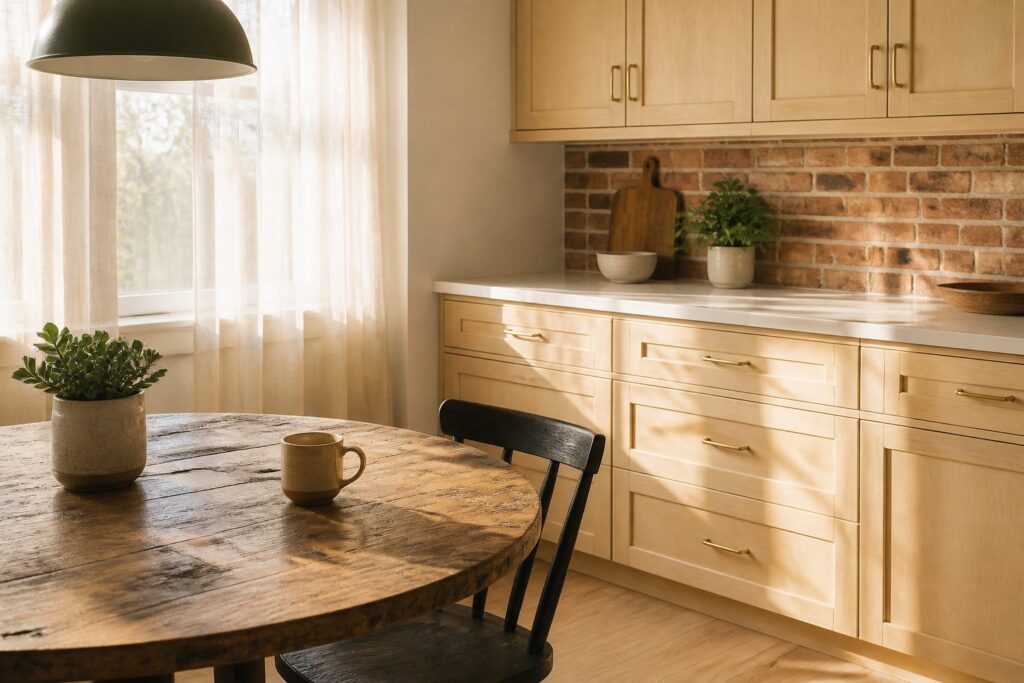
Light wood cabinets are pale-toned kitchen cabinetry in species like maple, birch, or white oak that bounce daylight deeper into a room than darker finishes.
Their warmth can float away visually unless you anchor it with deliberate contrast: black countertops, a dark table, or even red brick accents.
White subway tile and gold hardware extend the airy feeling without fighting the grain, and at a few hundred dollars for a weekend hardware swap, the change is reversible if you are renting.
White Countertops
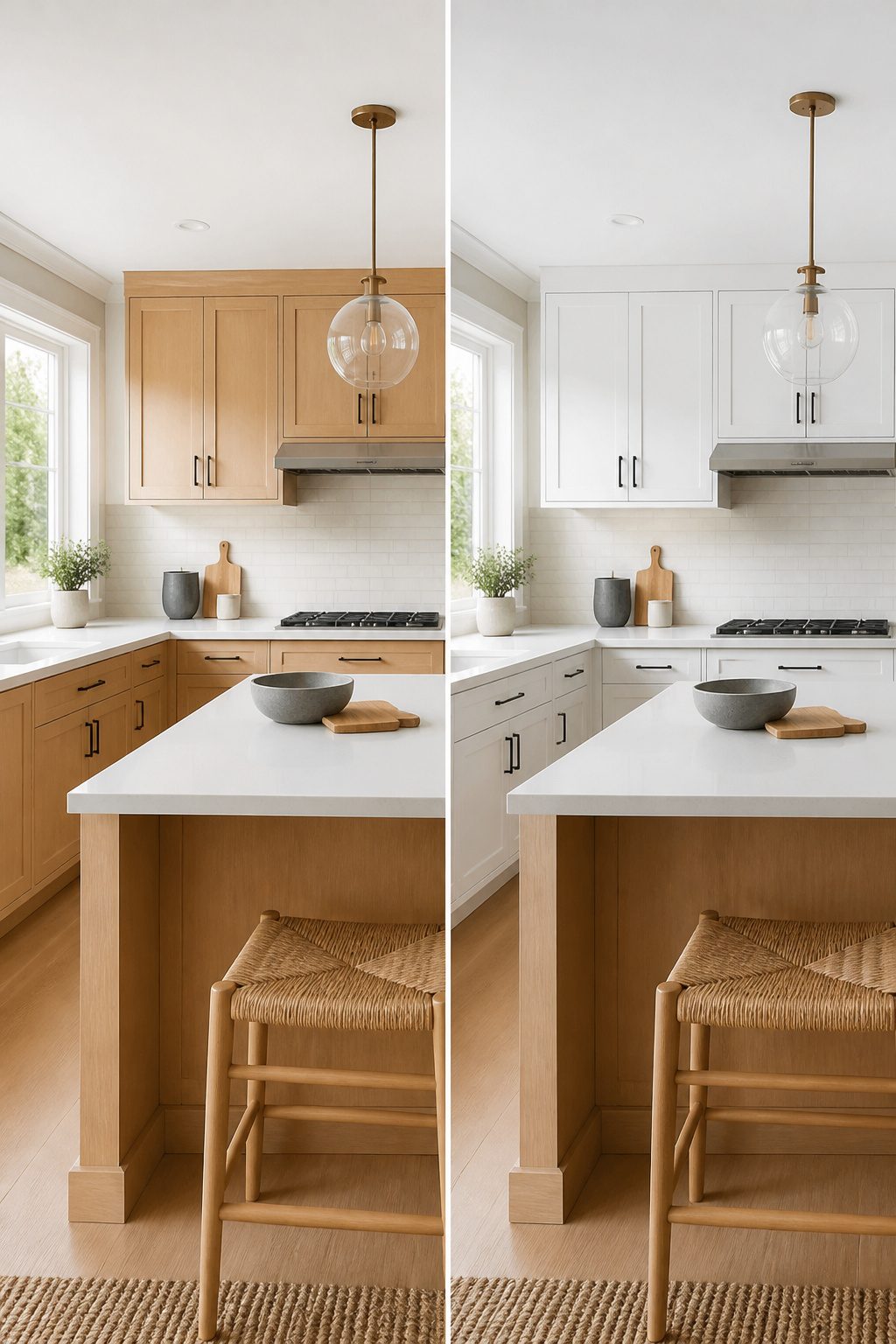
Classic white or marble countertops are by far the most common pairing with light wood cabinets, and the reason is simple: they keep the kitchen feeling open and let the wood’s warmth read clearly instead of competing with it.
The contrast between warm wood tones and a clean white surface gives that black-and-white kitchen aesthetic sources keep pointing to, but with wood in the mix so it does not feel sterile.
I have seen this combination called a "huge trend," which honestly understates how long it has been the default.
That staying power matters for a weekend project with a few hundred dollars in it. A calm palette of white, grey, and taupe against light wood feels fresh without demanding you chase next year’s color.
The countertop becomes a quiet backdrop, the cabinets get to be the focal point, and the whole space ties together without extra work.
Light-colored countertops also bounce more light around, which helps a kitchen read larger, especially if you are working with a single window or an awkward layout.
White shows every crumb and water spot, so you will wipe it more. If you are choosing between quartz and marble, quartz forgives more, but either option works if you are willing to wipe it down daily.
For a rental or a first home you might sell in five years, this pairing is the safest bet going.
Recommended Products

Glossy Marble Wallpaper: Colors are white and gray with a hint of brown due to lighting. Size is 11.8 inches X 78.7 inches. Before purchasing, be sure to measure your own size. This is our minimum size, when purchasing, please confirm if this size meets your needs and we have more large sizes for you to choose from. Material is PVC, self adhesive, no additional glue required. Material upgraded, thickened and wear resistant, realistic marble effect

【Elegant & Luxury】Koville stone tray is made of high-quality natural marble from Namibia. Each marble tray has its own unique texture, revealing the wonders of nature. This solid decorative tray ensures durability and long-lasting enjoyment, adding a touch of sophistication and luxury to your home decoration

Transform the look of outdated countertops with a faux marble kit
Black Countertops
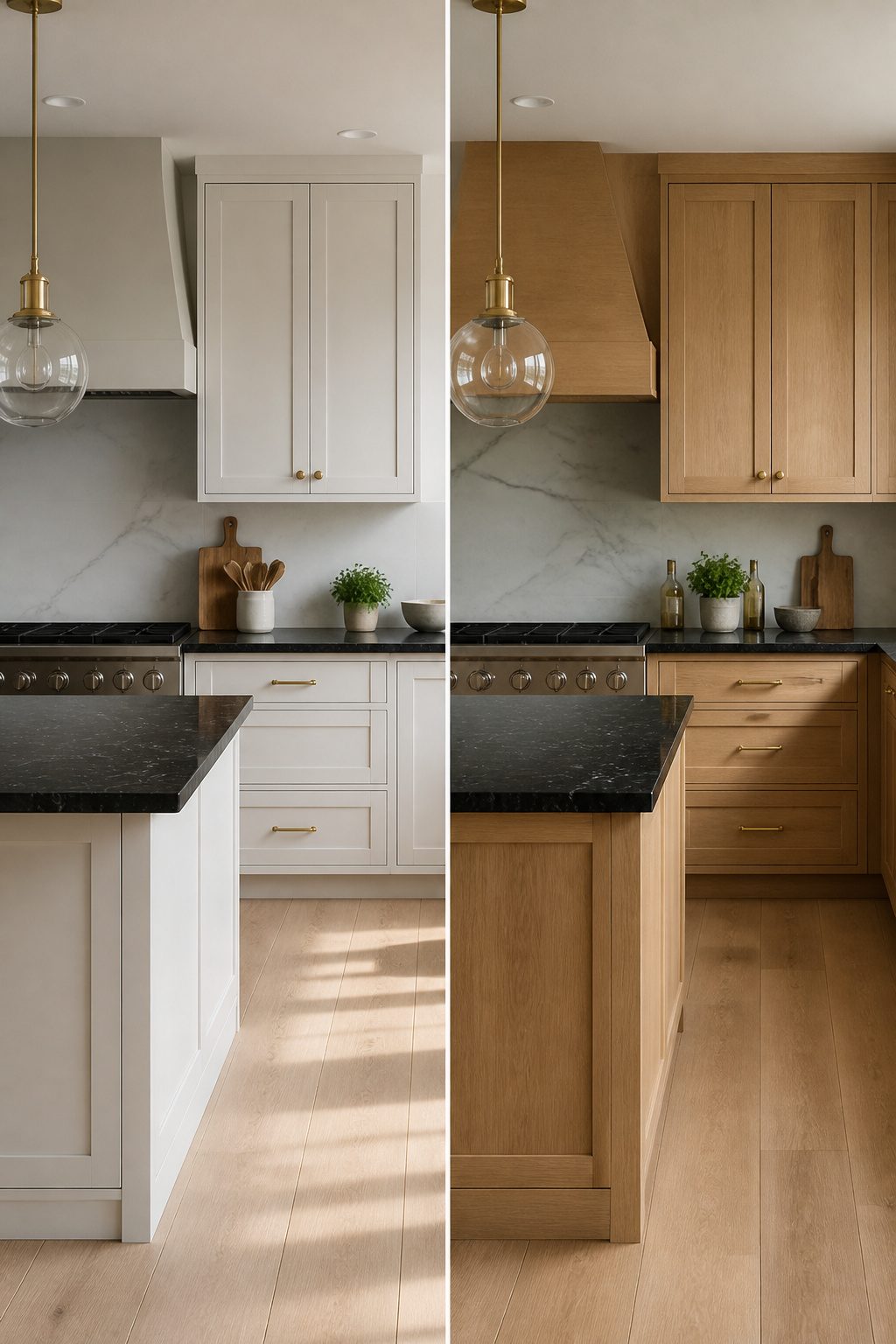
Black countertops against light wood cabinets do a specific job: they drop a visual anchor into a space that can otherwise float away in pale tones.
The warmth of the wood keeps the black from reading cold, and the black gives the light cabinetry enough gravity that the room feels intentional rather than unfinished.
I find this pairing works best in kitchens that lean contemporary or transitional, where you want contrast without clutter.
A waterfall island in black stone or a matte black dining table against light wood cabinetry pulls the palette together in a way that reads designed, not accidental.
The risk is overdoing it; too much black elsewhere and you lose the balance. Keep the black to one or two surfaces and let the wood remain the dominant story.
Recommended Products

Stunning Aesthetic Appeal: The modern pendant light combines black aluminum with natural alabaster, creating a breathtaking centerpiece. Its elegant design is perfect for enhancing the beauty of your kitchen island or dining area, bringing warmth and sophistication to any space.

Large Sintered Stone Kitchen Island: 72-inch large kitchen island provides a massive and ultra-durable workspace for meal prep, baking, and entertaining. The sintered stone top is highly resistant to scratches, stains, and heat, making it perfect for the busy home chef

【Dual Size Options & Japandi Design】 Choose the perfect fit for your space with our 50" or 72" kitchen islands. Featuring a harmonious blend of Japanese minimalism and Scandinavian functionality, this piece adds a warm, modern touch to your home while serving as a stunning centerpiece for family meals.
White Subway Tile Backsplash
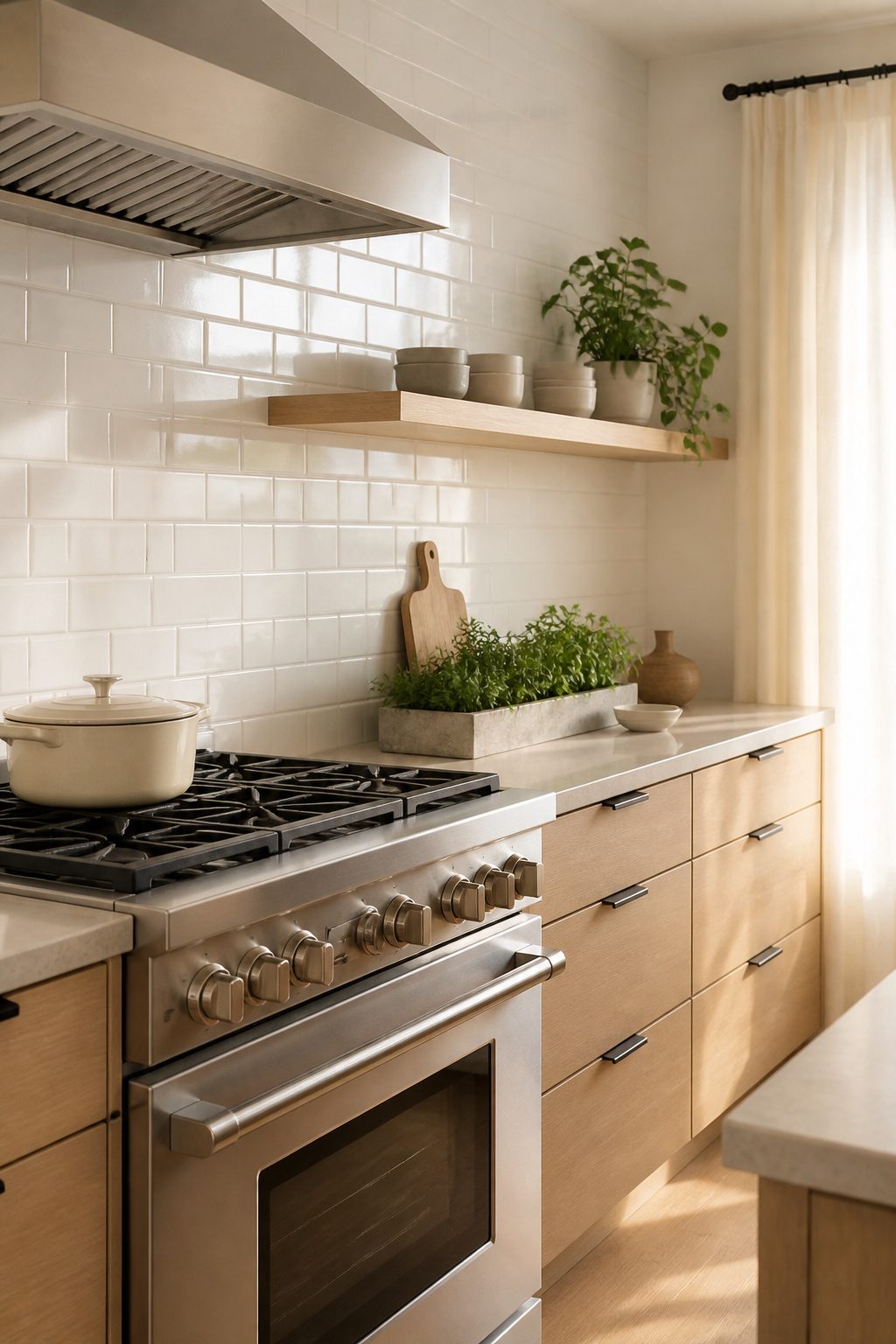
White subway tile lands near the top of almost every list for a reason. The 3-by-6-inch rectangle reflects light across its glazed surface, which extends the airy feeling that light wood cabinets already start.
I see this pairing in everything from farmhouse renovations to Scandinavian-inspired kitchens, and the grout color is what shifts the mood.
White grout keeps the wall reading as one quiet plane; dark grout breaks it into a grid that reads more graphic and industrial.
Either works, so the choice depends on whether you want the cabinets to feel like they are floating in a calm space or anchored by stronger structure.
The tile itself costs little enough that this is a weekend project most renters can execute without touching the cabinets at all, which matters if your lease or budget rules out bigger changes.
Greenery, real or otherwise, sits well against this combination because the cool white and warm wood already reference natural elements; a few stems on the counter or a trailing plant on a floating shelf push that connection without cluttering the calm.
If you are choosing between countertop finishes to complete the look, marble or quartz in a white or soft gray keeps the palette coherent, while stainless steel or black appliances add the slight contrast that keeps a pale kitchen from washing out.
Recommended Products

Easy DIY, Just Peel & stick, cut with tin snip, utility knives or hand saws, saving large amount on labor

✿ 1.4 Times Coverage Area: 10 sheets thickened self-adhesive tiles, 12" X 12" each (The small piece is 3.3" X 1.8"), which covers 40% more area than 10"x10" tile
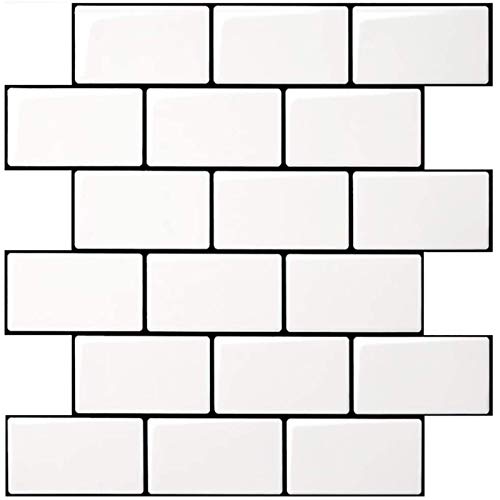
Upgraded Thicker Build: 2–3 times thicker than regular peel and stick tiles, resistant to tearing and bending for easier installation.
Red Walls and Brick Accents
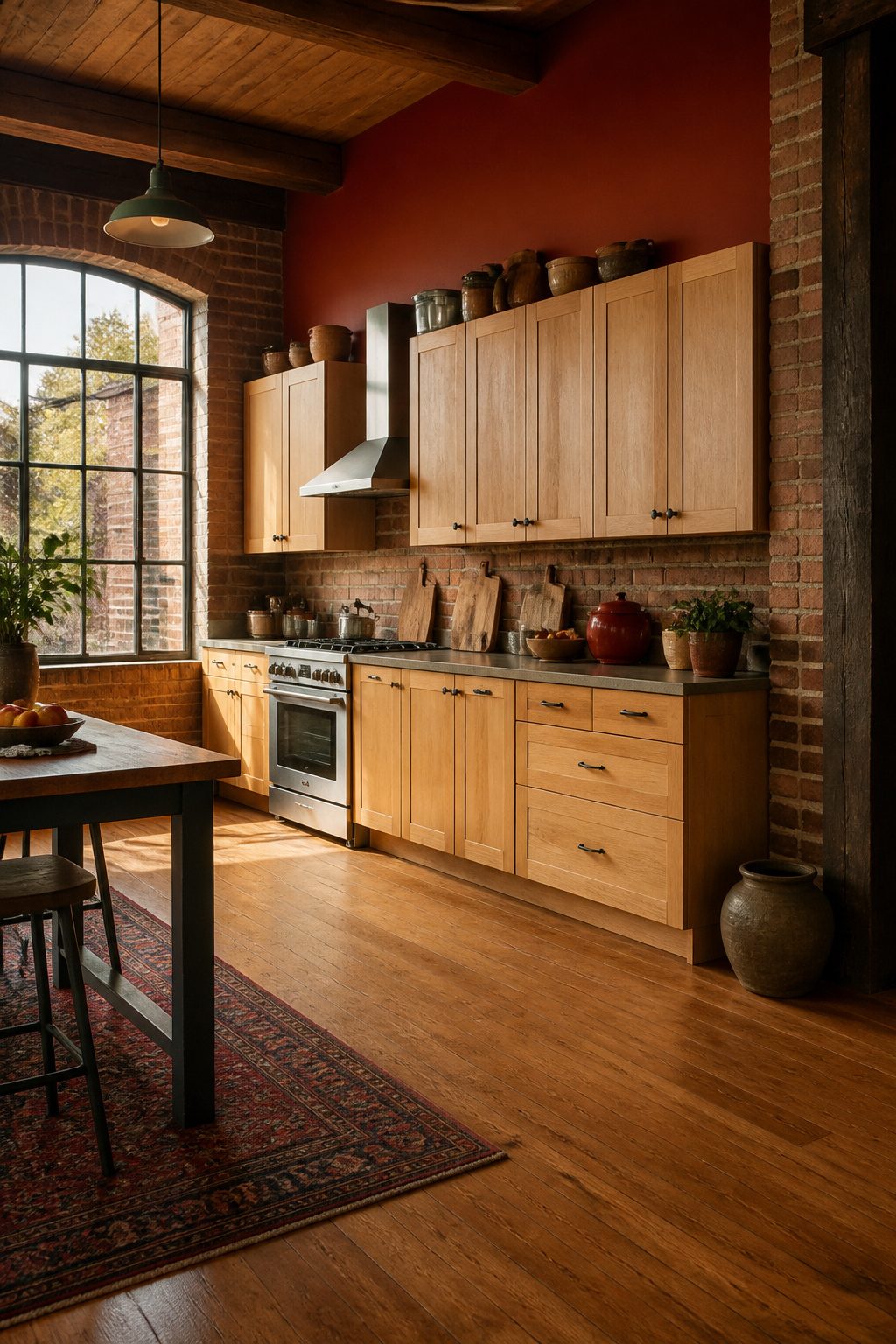
Red walls or exposed brick can push a kitchen with light wood cabinets from plain to grounded in about a weekend.
The warmth reads rustic or farmhouse without much effort, and in a mountain-style kitchen it feels deliberate rather than themed.
What keeps it from closing in is the cabinet color itself: pale oak or birch reflects enough light that the red reads as depth, not weight.
I would keep the brick to an accent wall or a chimney breast rather than wrapping the room, and let the flooring stay in the same warm family, medium hardwood or light tile, so the cabinets sit between two tones instead of floating against them.
Stainless steel appliances or hardware give the eye a cool break, which matters more than people think when the walls are doing that much work.
Recommended Products

Measurement: Top Diameter 1-1/4"(32mm) ; Base Diameter: 1/2" (12.7mm); Projection: 1"(25mm). The heavy circular cabinet knob constructs sturdy

PREMIUM MATERIAL: Plustool Gold Cabinet Handles are made of high-precision quality stainless steel with perfect brushed brass finish, which do not leave any fingerprint; The flat surface of dresser handles is smooth without losing texture, not easy to fade,rust,oxidation and easy to clean; Durable and strong, elegant addition to any home

Premium Material - Our gold cabinet knobs are made of high quality stainless steel, hollow but sturdy and look beautiful and serve your purposes
Neutral Kitchen Aesthetics
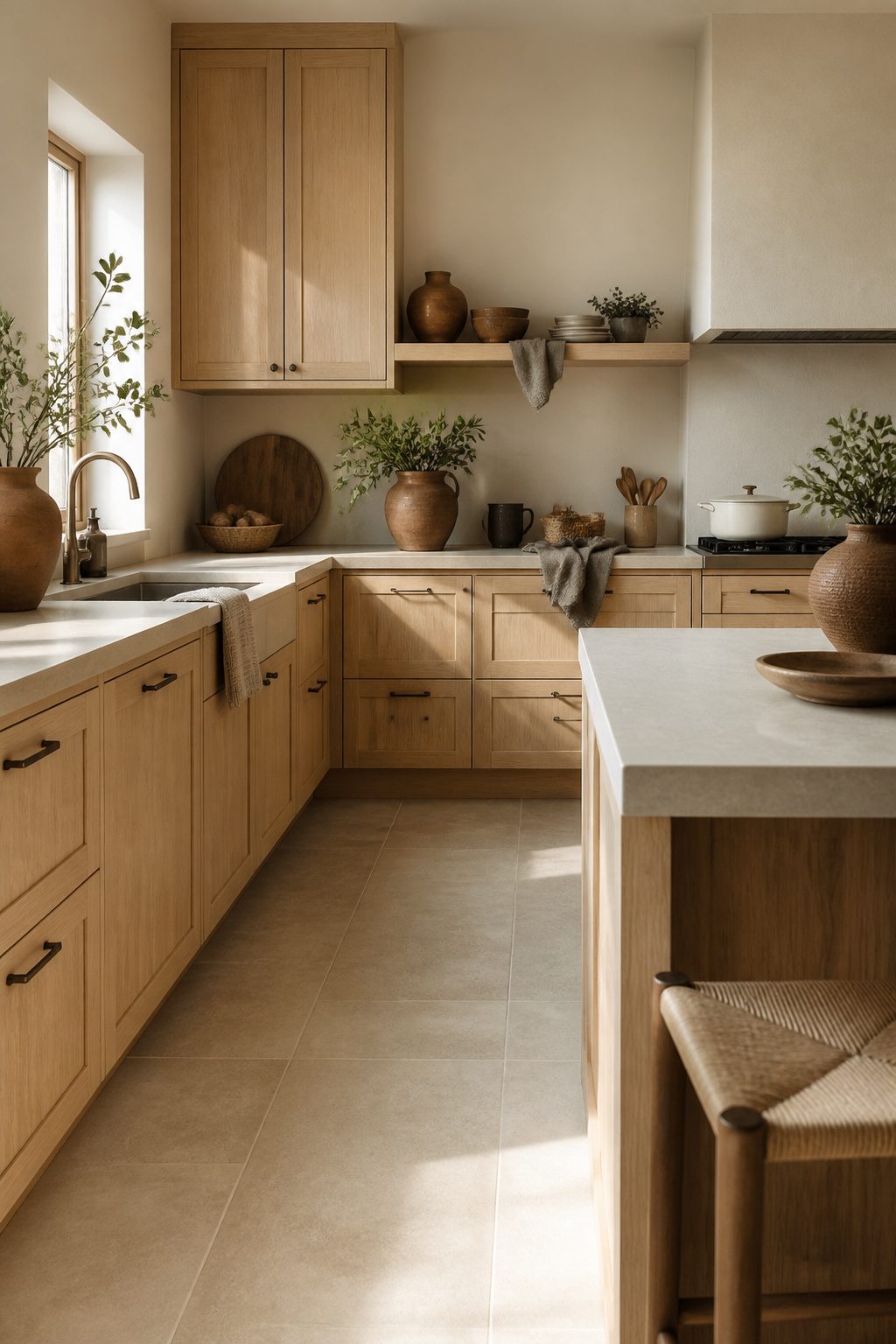
Light wood cabinets carry a neutral kitchen better than white because they add warmth without locking you into a single temperature.
Cream walls, taupe tile, soft gray textiles: all of them read as intentional against oak or birch rather than accidental, and the grain gives your eye something to rest on so the space does not go flat.
The real advantage for renters and first-home owners is flexibility to swap accents without repainting or re-tiling.
A kitchen built on light wood and neutrals takes navy bar stools one year and rust ceramics the next; the cabinets mediate the shift instead of fighting it.
White cabinets can turn cool or clinical against new colors, and dark wood anchors so heavily that it dictates the room’s mood. Light wood sits in the middle, warm but not dominant.
For a weekend project with a few hundred dollars, this is the safest foundation. Change your hardware, add a runner, switch pendant shades: the cabinet color keeps working through all of it.
Recommended Products

PRODUCT DETAILS - This 13 piece kit includes 6 Repair Markers, 6 paper wrapped wax sticks and 1 wax stick sharpener packaged in a blister card.

WIDE RANGE OF USE - It has both markers and crayon type filler, very easy to fill the scratch, discoloration, hole or separation gaps, Ideal for any kind of wooden furniture.

Package Includes: The furniture markers touch up kits includes 3 color wood markers and 1 swatch card, allowing you to test the colors and choose the best match before applying the furniture pens.
Gold or Copper Finishes
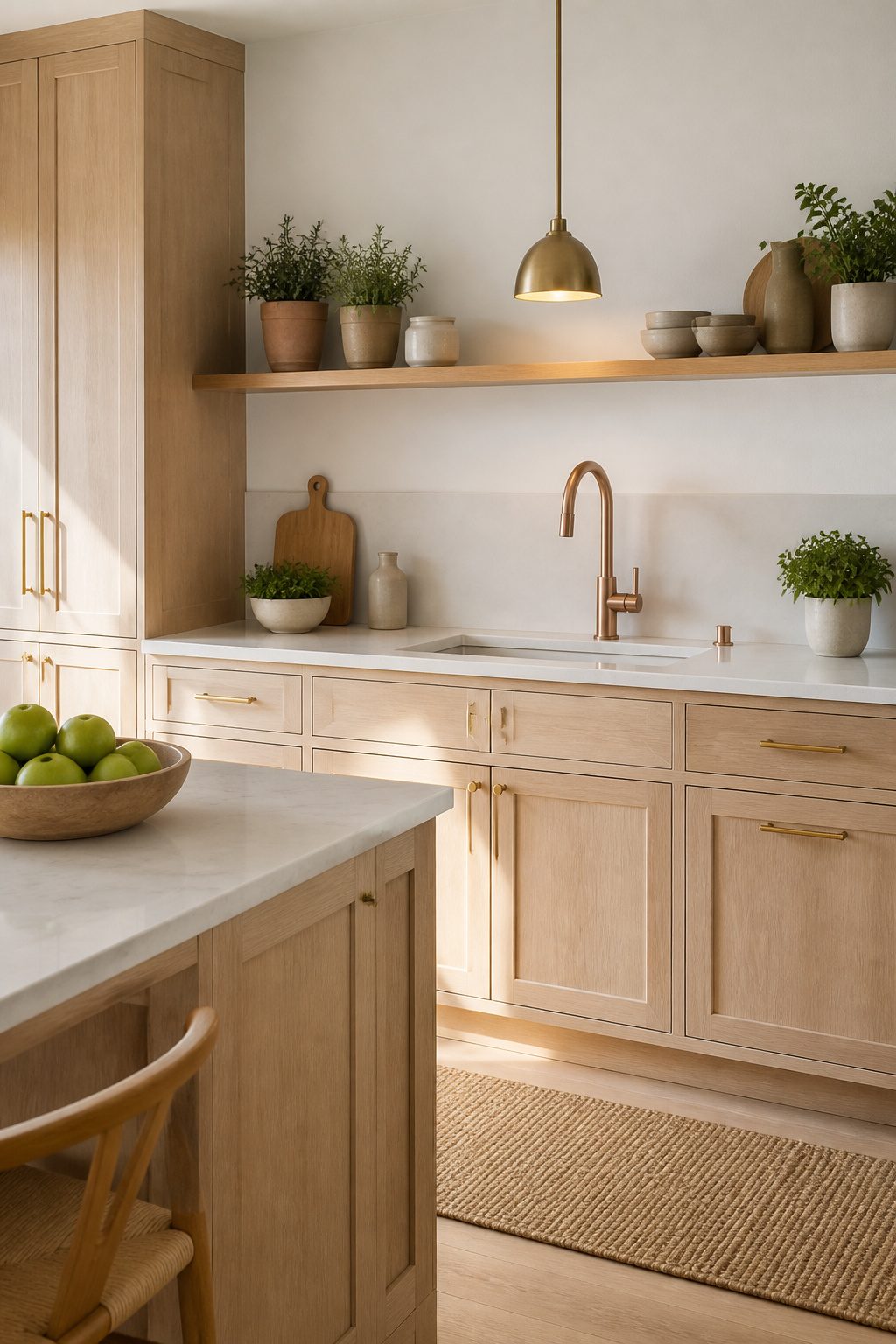
Warm metals sit right against light wood without fighting for attention. Gold hardware, especially in a brushed or satin finish, adds a quiet luxury that does not override the grain.
I have seen kitchens where a bright brass knob on an oak cabinet reads as jewelry rather than hardware, and that is the balance to aim for.
The same logic carries to faucets and light fixtures. A copper faucet under a light wood cabinet run catches morning light in a way stainless steel never will, and the cost is modest because the swap is just one fixture.
For placement, I would put the warm metal where the eye lands naturally: the cabinet pulls at hand height, the pendant over the sink, and if the budget stretches, the faucet.
Spreading it to every hinge or shelf bracket dilutes the effect; three concentrated placements beat six scattered ones.
A farmhouse sink paired with dainty gold hardware keeps the room from sliding too rustic, which matters if your light wood leans knotty or reclaimed.
Brushed gold handles with a light wood island is the combination I would start with if I were renting and could only change the pulls.
Recommended Products
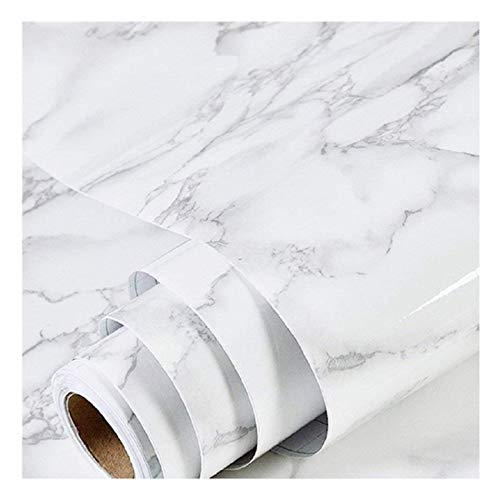
Real Marble: Faux marble wallpaper peel and stick, designed according to the real marble texture, is beautifully designed in white and grey. Its delicate texture, rich color and excellent finish make it a calm atmosphere, luxurious texture looks very real, allowing you to enjoy the real marble scene at a cost-effective price

Clear Texture and Strong Texture: 11.8″ x 78.7″ Roll (6.46 Square Feet / Roll) Marble wallpaper is strongly textured, waterproof and easy to clean, can be easily wiped clean. Simple jazz white, easy to match with home style. Self-adhesive backing does not need any other glue, save your time and effort

Clear Texture and Strong Texture: 15.7″ x 197″ Roll (21.6 Square Feet / Roll) Marble wallpaper is strongly textured, waterproof and easy to clean, can be easily wiped clean. Simple jazz white, easy to match with home style. Self-adhesive backing does not need any other glue, save your time and effort
Dark Kitchen Table or Seating
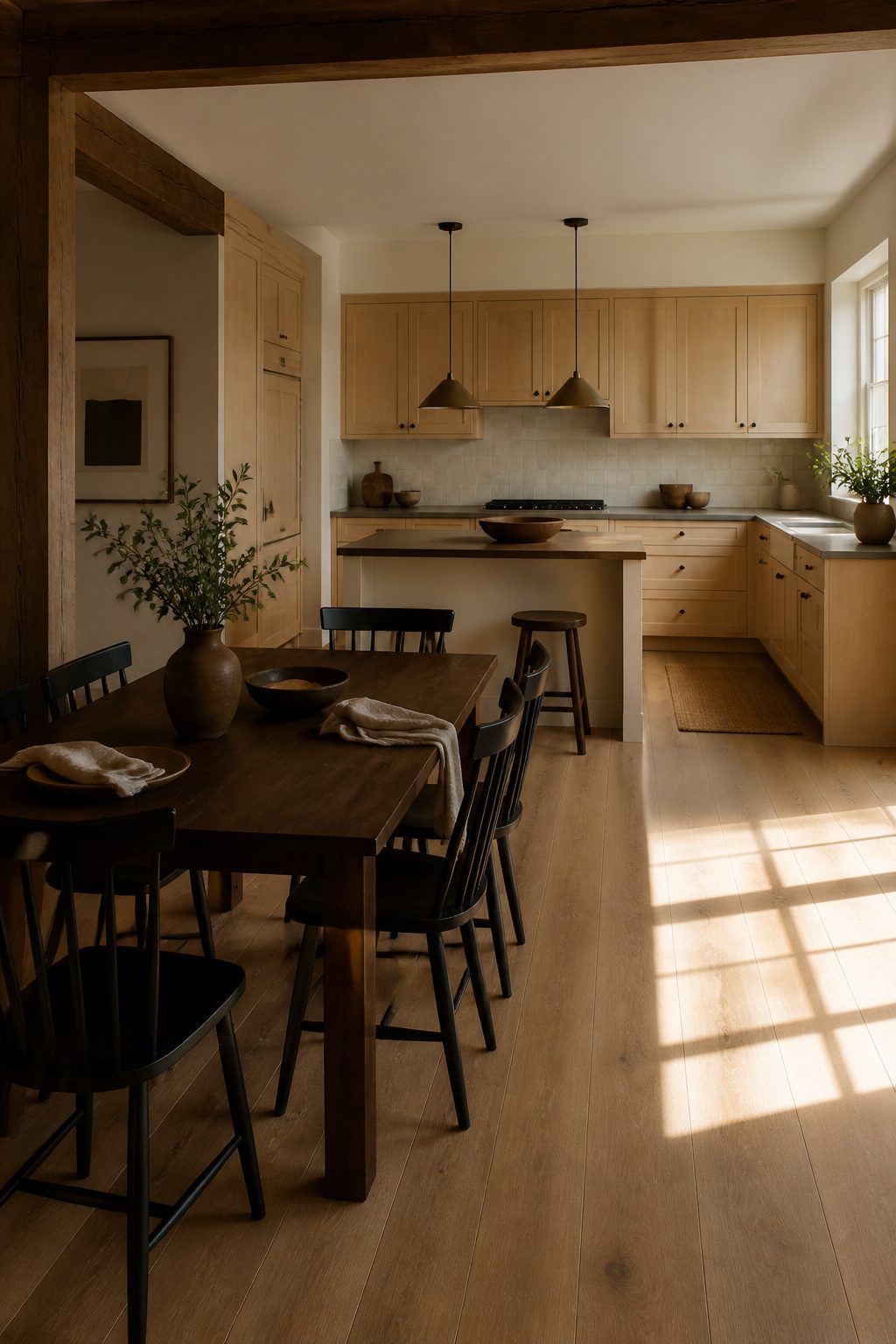
A dark table and chairs do the heavy lifting of grounding a kitchen that floats on light wood cabinets.
Espresso-stained oak or walnut seating adds weight without shouting; the warmth in those browns talks to the pale grain rather than fighting it.
Charcoal and navy painted finishes work too, though I think navy wins in a kitchen that already reads casual, since it picks up the depth of denim and workwear without going full black.
The one thing I would skip is a dark tone with a red undertone, like mahogany, next to yellow-toned birch or maple cabinets.
That pairing turns muddy fast. Black works if you have another black element in the room, a vent hood or pendant lights, to keep the table from looking like a mistake someone forgot to fix.
Without that echo, espresso feels more intentional and less like a hole punched in the room.
Recommended Products

【Dual Size Options & Japandi Design】 Choose the perfect fit for your space with our 50" or 72" kitchen islands. Featuring a harmonious blend of Japanese minimalism and Scandinavian functionality, this piece adds a warm, modern touch to your home while serving as a stunning centerpiece for family meals.

NATURAL ITALIAN BLUE MARBLE – Crafted from Italian marble with deep blue veining and subtle golden specks, this marble tray feels like a slice of night sky on your table. Every piece is slightly different in tone, giving each decor tray its own luxury character.

Wood Shelving
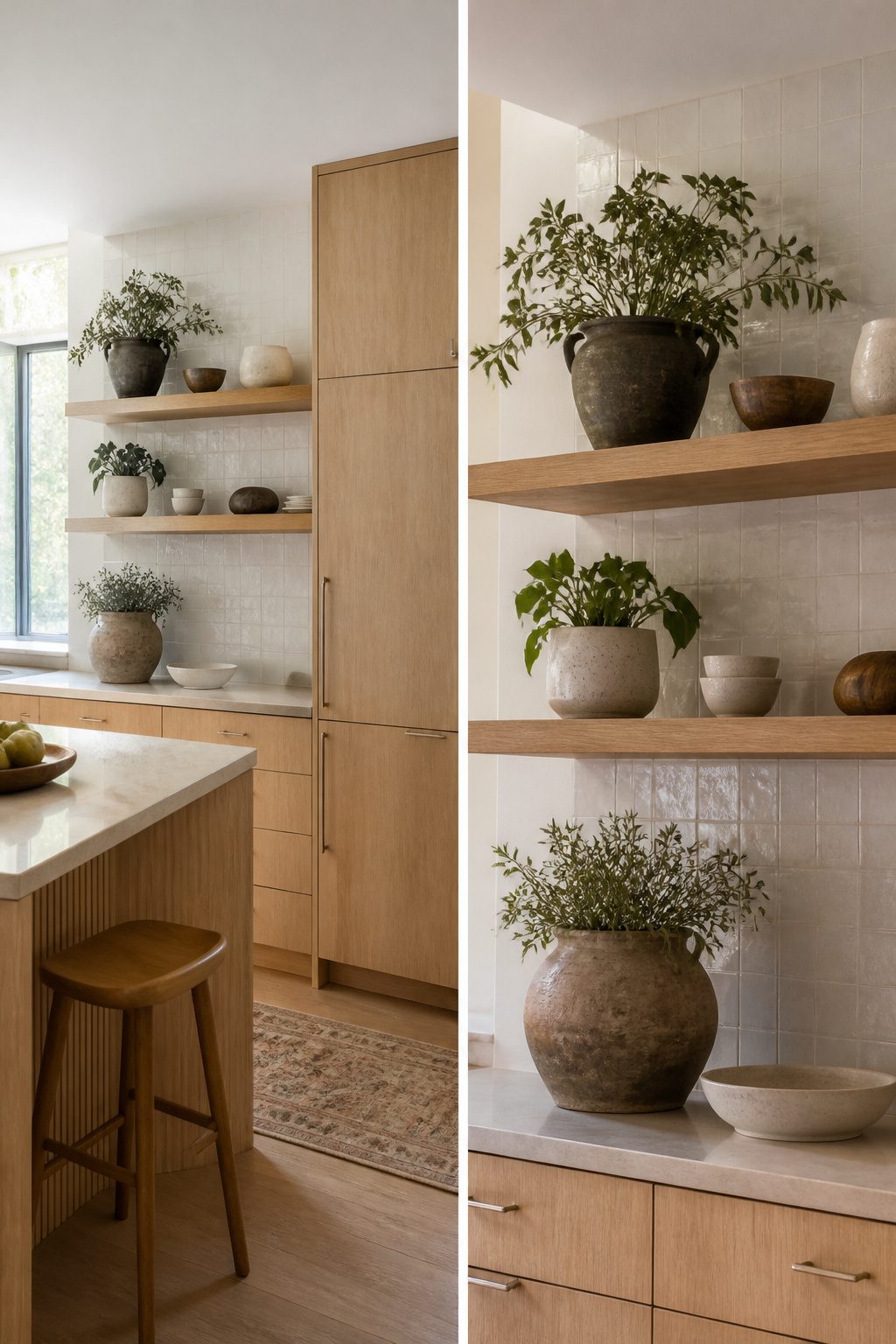
Open shelving in a matching light wood turns the wall between cabinets into usable storage without breaking the material story.
I like it best when the shelves sit just a shade lighter or darker than the cabinetry; exact matching can flatten the room, while a half-step of contrast keeps the eye moving.
The grain does the work here, so you want to see it.
The usual placement is the flank of a window or the end of a run where upper cabinets stop.
That gap is often 18 to 24 inches of dead drywall, and three floating shelves there will hold daily dishes or a row of stoneware bowls.
Keep the bracket hardware minimal or hidden; exposed black metal reads industrial against pale oak and fights the calm you’re after.
Cost runs lower than boxed cabinetry because you’re buying plank and bracket, not door and hinge. Open shelves collect dust and force you to curate what stays visible.
I think the compromise is worth it in a kitchen that already commits to light wood, because closed cabinets above and open shelves beside give you both concealment and display without introducing a second material.
Recommended Products

100 sheets solid PVC tiles, 2.95"x5.9"x0.12" each, cover 12.11 square feet. This simple subway pattern is easier to install and plans the layout freely to your imagination.

Upgraded Thicker Build: 2–3 times thicker than regular peel and stick tiles, resistant to tearing and bending for easier installation.

2-3 Times Thickness: Each tile is 2mm-2.5mm thick, offering durability and solidity, providing a high-quality alternative to soft sticker tiles
Mixing Wood Types
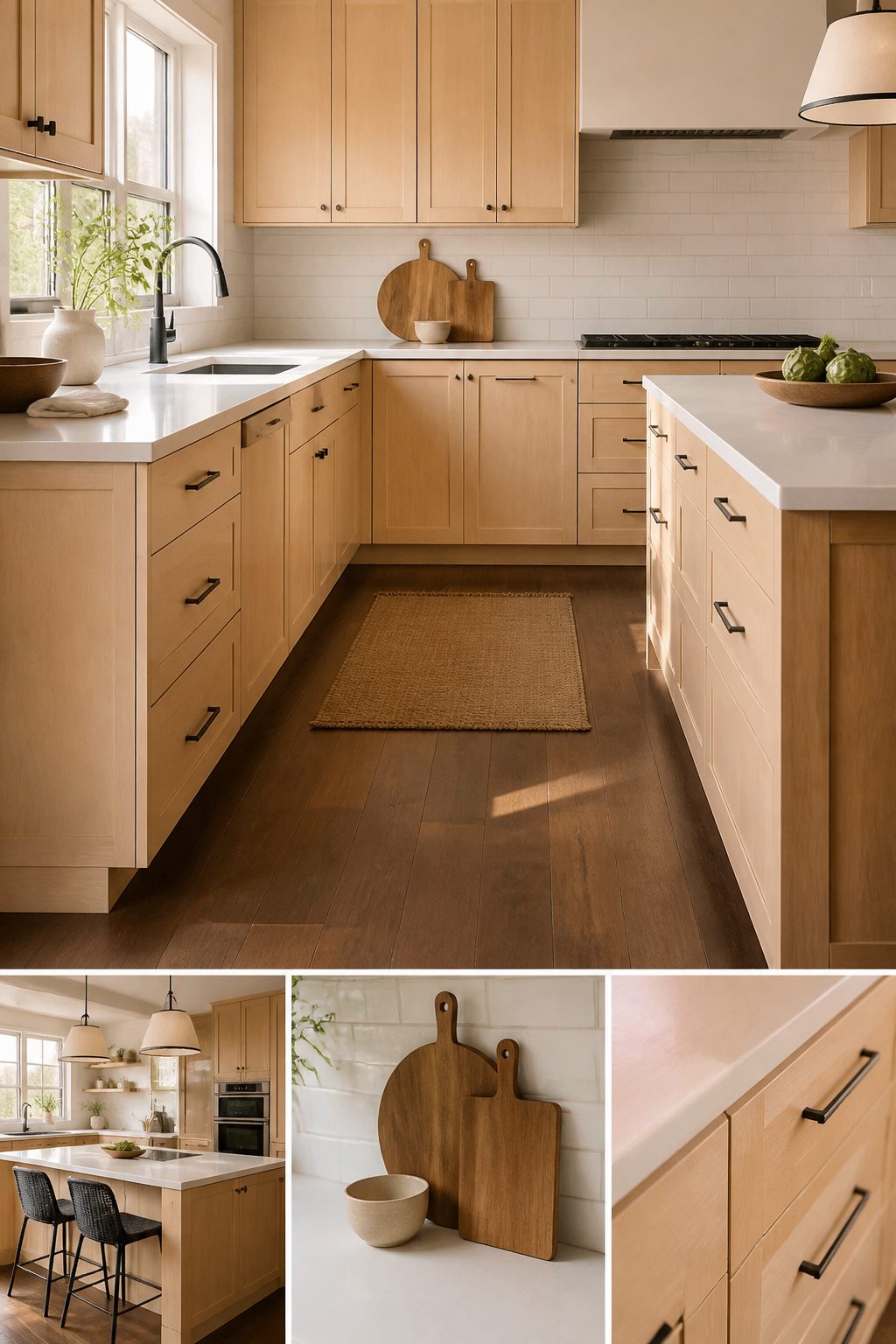
White oak and walnut pair well because the first carries a gray-tan undertone that lets the second read as depth rather than clutter.
Maple with birch is safer still: both stay in the yellow family, age toward warmth, and keep grain tight enough that your eye moves across the room without stopping on contrast.
Alder works here too, though it warms slower than maple and gives you a little more time before the tones shift.
What ties mixed woods together is undertone, not color value. Two cabinets in the same stain but different base woods will fight each other more than a pale maple cabinet against medium walnut flooring that shares a warm undertone.
White elements break this up: a white countertop, a white backsplash, or white seating keeps the wood from stacking into something heavy.
You see this most when you skip the white entirely and end up with a kitchen that feels like a furniture showroom instead of a room.
Recommended Products

MATERIAL: 10 Pack cabinet handles Made of High-precision Quality Stainless Steel with beautiful looking, durable and strong, elegant addition to any home.

【Brushed Brass Cabinet Pulls】These gold drawer pulls are made of premium quality stainless steel with hollow structure. Brushed brass finish multi-layer process of plating surface, not easy to rust oxidation. Hollow but also has a certain weight, please rest assured that this will never affect its beauty and quality. It will definitely be strong and durable

Seller provides 24/7 customer care service, any product issue will be responded via email within 24 Hours.
Multicolored Wood Flooring
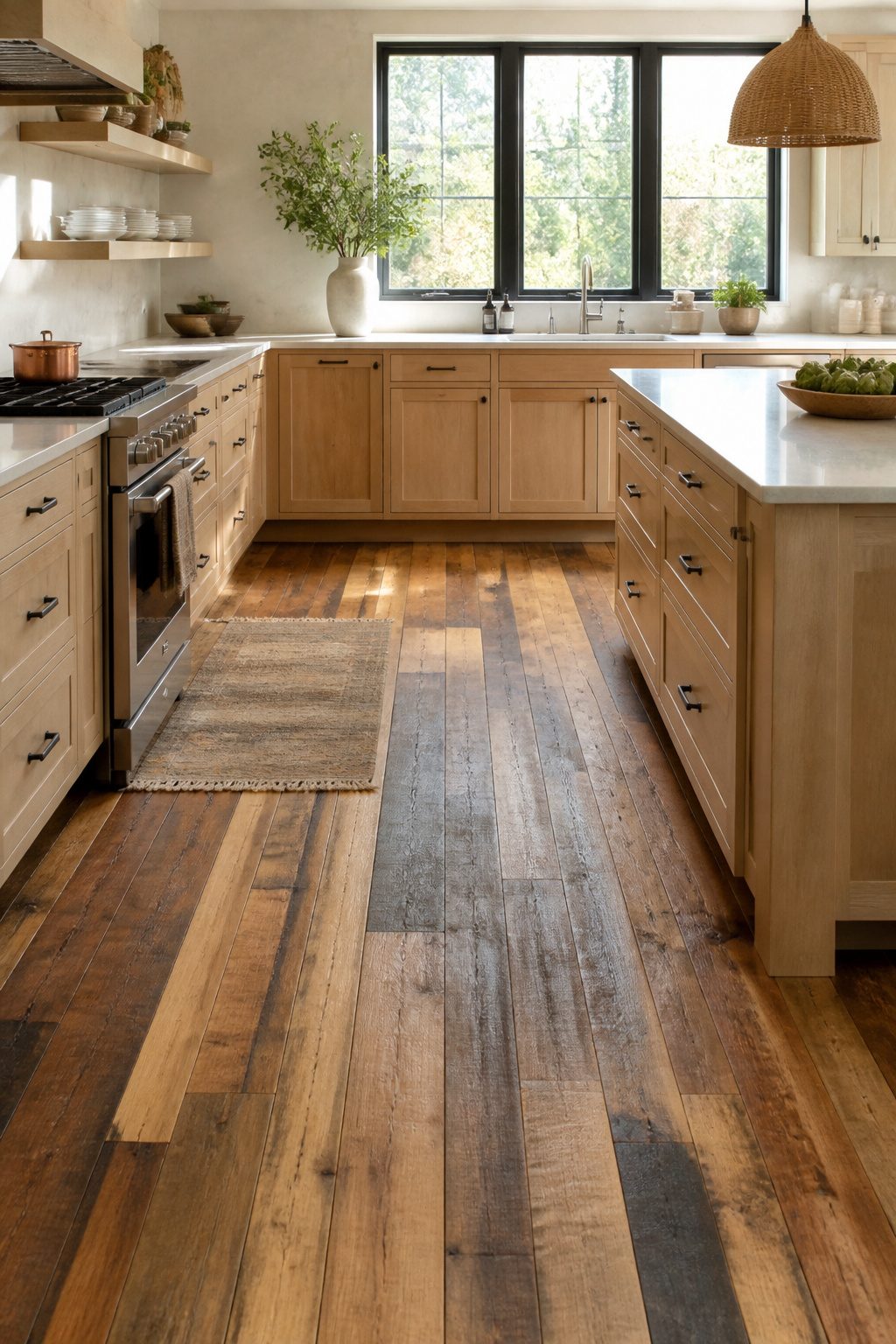
Floors built from varied wood tones, like reclaimed barn boards or hand-scraped planks with mixed species, give a kitchen the kind of depth that reads as collected rather than decorated.
The same cabinet in white oak or maple sits differently against a floor that carries three or four related browns; the cabinet becomes the calm center and the floor does the visual work of a patterned rug without the maintenance.
What keeps the pairing from feeling busy is the shared undertone.
Most light wood cabinets lean warm, and reclaimed flooring tends to run in the same honey-to-amber range even when the individual planks vary. The variation happens in value, not in temperature, so the eye reads harmony rather than contrast.
A floor with every plank the same color would actually fight a light cabinet more, because two similar solids compete to be the neutral. Let the floor carry the story and the cabinet holds the room still.
I would skip mixed-species flooring that includes gray or very pale planks. Those cooler notes pull against the warmth of natural cabinetry and start to look like a mistake in a mountain-inspired kitchen, where you want shelter, not contrast.
Hand-scraped texture helps too; the slight unevenness catches light the same way a stone fireplace does, which is the whole reason someone chooses this style to begin with.
Recommended Products

Always by Your Side. Nightstands Overall Dimensions: 15.0"L x 11.8"W x 25.6"H.

GLASS DISPLAY CASE - Perfect for organizing earrings, rings, beads, pins, bracelets, necklaces, brooches, medals, and other jewelry items.

KIT INCLUDES our most powerful wood repair compounds, so you can repair all levels of damage to wood furniture by yourself. Includes 8 touch up fillers, 8 touch up markers, 1 brush and 1 spatula
Why Light Wood Works
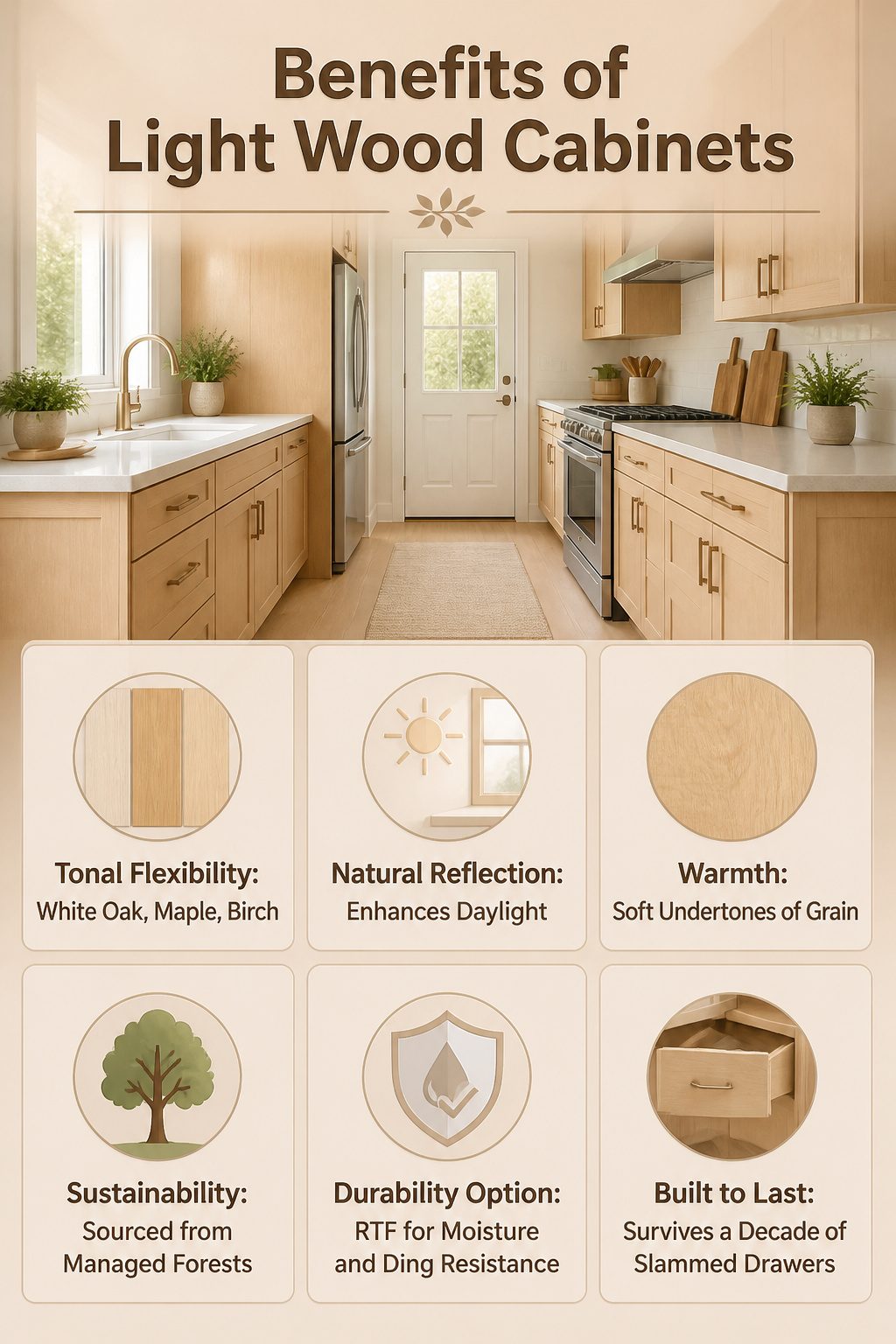
Light wood cabinets earn their place because the species matter less than the tone. White oak, maple, and birch all hit that same warm neutral range, which means they shift with the light in a room rather than fighting it.
I have seen a north-facing kitchen go from dim to workable just by swapping espresso-stained boxes for unstained maple.
The reflection is real, not decorative theory: pale surfaces bounce daylight deeper into a room, and in a galley kitchen under 150 square feet, that extra reach matters more than any recessed fixture.
The warmth is the other half. Light wood carries the soft undertone of actual bark and grain, not the flatness of a beige paint.
It calms a space without going cold, which is why it works across modern slab doors, Shaker frames, or a rough-sawn rustic face. The same kitchen reads Scandinavian, farmhouse, or transitional depending on what you wrap around it.
Sustainability enters when the material is sourced from managed forests. The certification costs nothing extra at the big-box suppliers now, and the grain is identical.
For rental units or a first home with kids, RTF, or Rigid Thermofoil, gives the same visual warmth with more resistance to the moisture and dings that real wood takes personally.
I would not call it better, but it is the durable alternative that survives a decade of slammed drawers.
Where to Use Light Wood as Accent
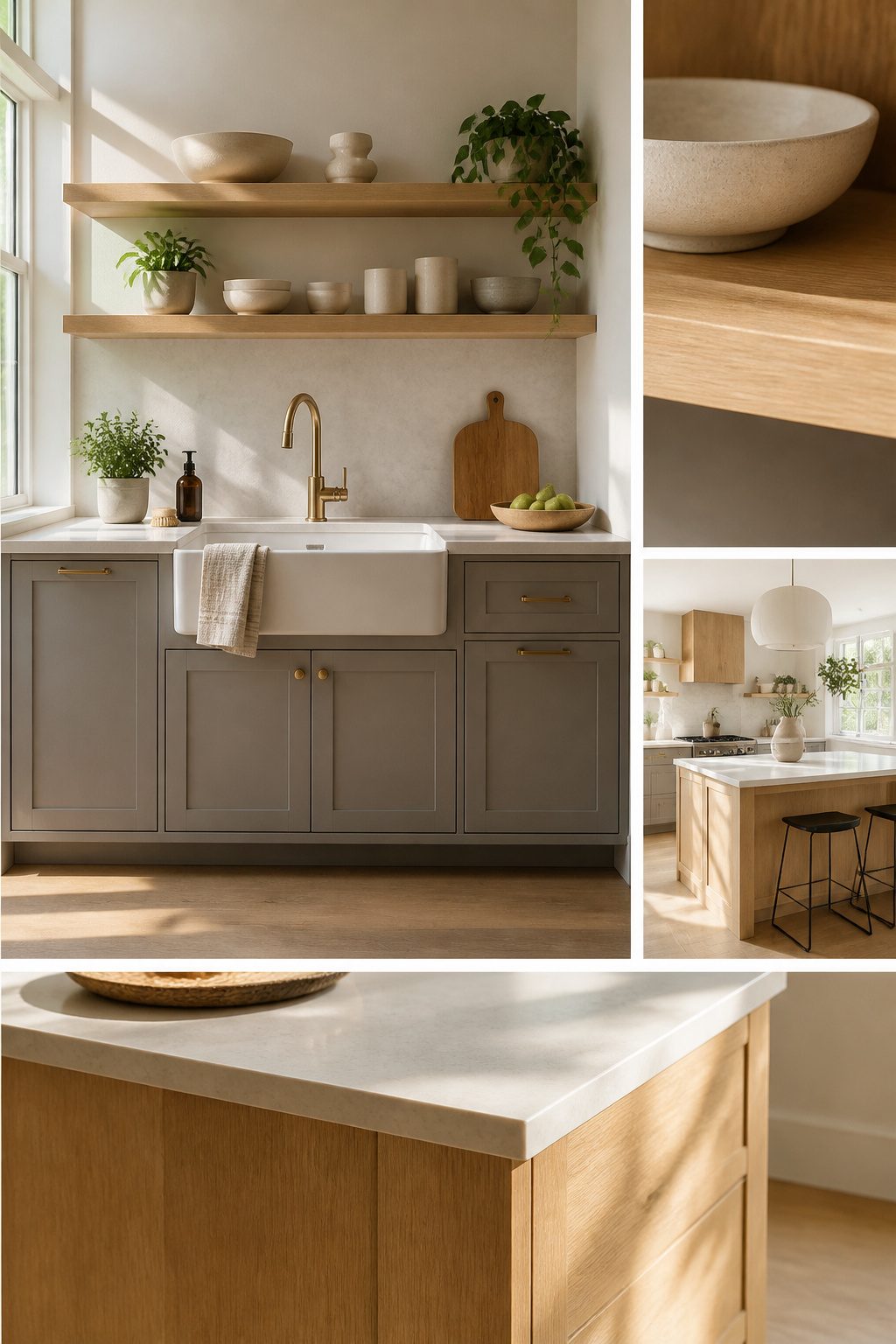
The best place to use light wood as an accent is where it can warm the room without taking it over.
Open shelving above a sink or cooktop gives you that warmth at eye level, where the grain catches morning light and keeps the wall from reading as flat white.
A kitchen island in light wood does something similar: it anchors the center of the room and gives you a soft visual landing spot, especially when perimeter cabinets stay painted or darker.
Partial cabinet runs work the same way. Running light wood on just the base cabinets, or only the uppers, keeps the space from feeling like a single-note wood box.
The contrast against another finish, whether crisp white or a muted gray, adds depth without demanding a full remodel.
I have seen full kitchens done in light wood that feel serene but forgettable; the accent approach leaves a stronger impression because the eye has something to move between.
The grain patterns in light wood are subtle enough that they read as texture, not pattern, so they soften modern lines without turning rustic.
If you are working on a weekend timeline and a few hundred dollars, swapping in a light wood island front or a pair of floating shelves costs far less than refacing every door, and the effect is more deliberate than doing the whole room halfway.
What Holds Up Over Time
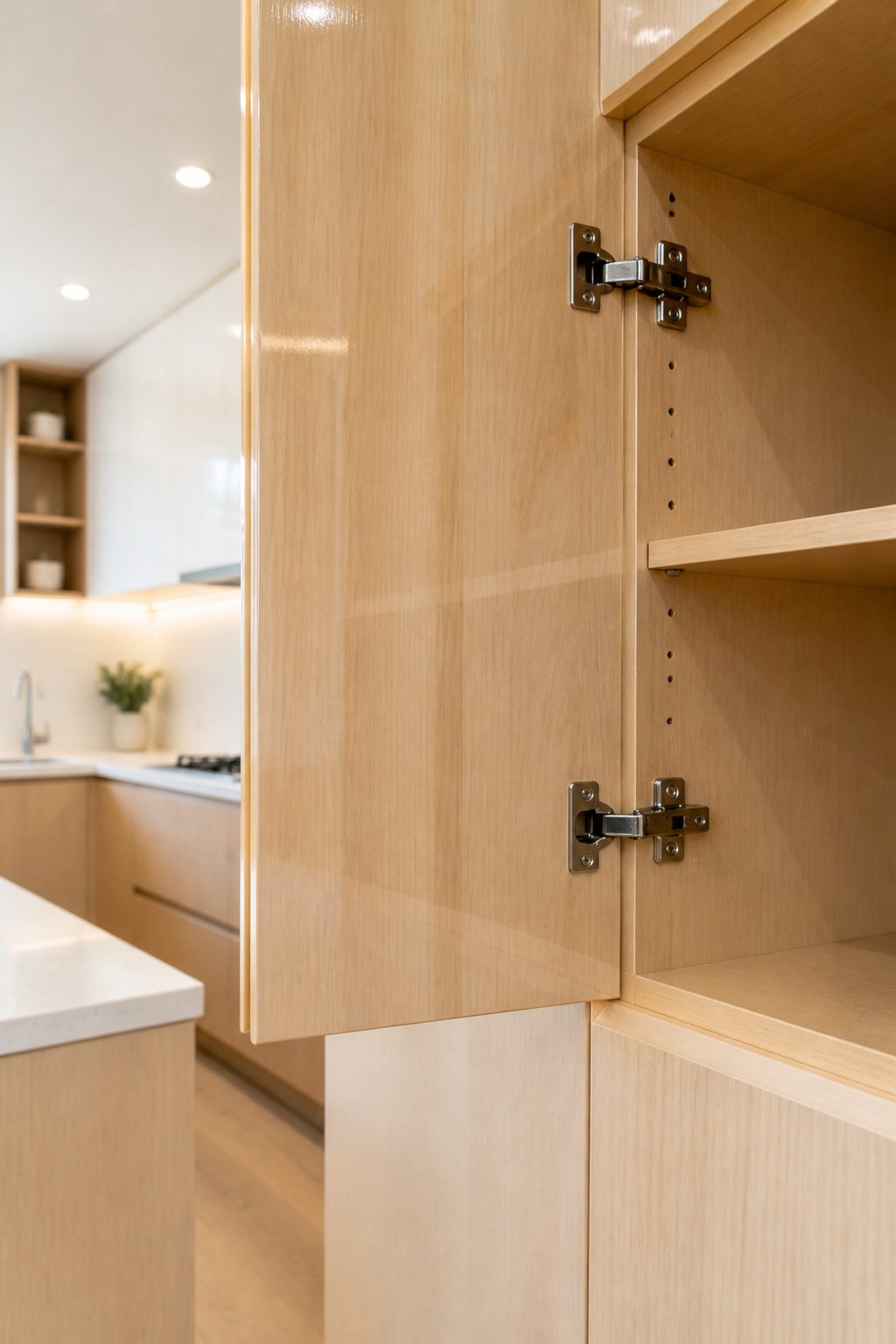
Modern joinery makes soft-close hinges and adjustable shelves standard even on budget lines, which matters more than the species name on the tag.
The hardware stops the slap and sag that used to give light wood a reputation for feeling flimsy. I would not spec a kitchen without them now.
The finish layer is where the real protection sits. Catalyzed conversion varnish or a quality UV-cured coating seals the grain against steam and the occasional olive oil spill far better than the oil-rubbed look I used to favor.
Real wood takes these finishes beautifully, but RTF (rigid thermofoil) doors come out of the factory already wrapped in a uniform skin that hides seams and shrugs off scrubbing.
I have specified both for client kitchens, and the practical difference in daily use is smaller than the price gap suggests.
Heat is the problem. RTF can delaminate near an unshielded dishwasher or oven front, so I always add a heat deflector or keep the cabinet run six inches back from the appliance face.
Real wood can be sanded and refinished in ten years when the finish wears; RTF has to be replaced.
For a weekend-timeline renovation on a real budget, that trade-off usually tilts toward RTF in the bath and real wood in the kitchen, where the cabinets work hardest.
Choosing the Right Light Wood
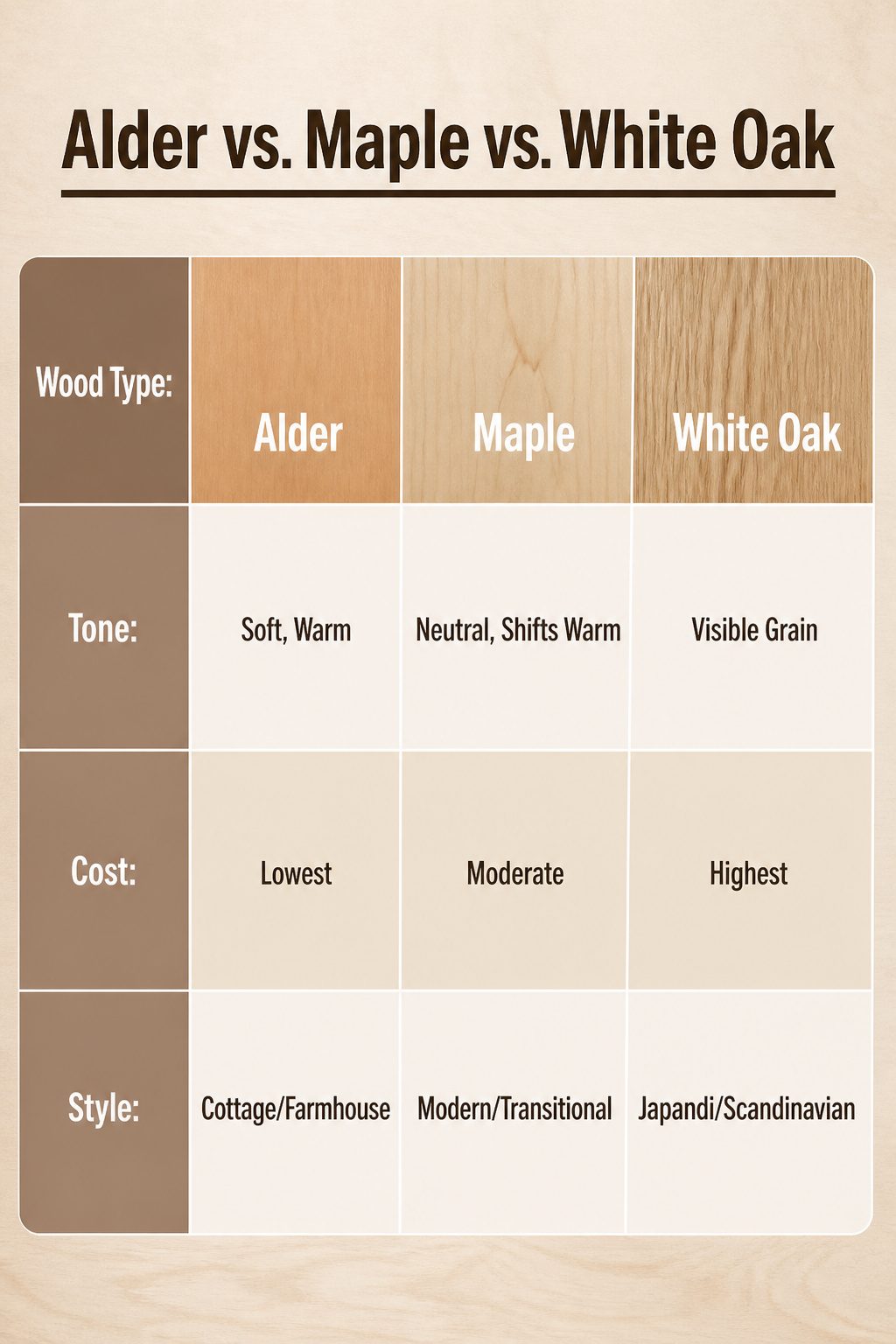
Alder sits at the soft, warm end of the spectrum, almost peachy in tone, with grain so subtle it reads as a solid color from across the room.
Maple starts paler and cooler, a true neutral, though it shifts warmer faster than the other two as the years pass and light hits it.
White oak carries the most visible grain of the three, with those long rays that give it a slightly rustic, Scandinavian feel even in a clean slab door.
For budgets, the gap matters. Alder generally costs the least and takes stain evenly, which makes it forgiving if you want to adjust the tone later.
Maple prices higher and demands more skill; its tight grain blotchies under stain if the prep is rushed, so factory finishes are usually the safer bet.
White oak sits at the top of the three for material cost, and its hardness justifies it in a kitchen that sees heavy daily use.
Style breaks the tie. Alder works in a cottage or farmhouse kitchen where you want warmth without heaviness.
Maple suits a modern or transitional space that needs to stay neutral as hardware and tile change around it. White oak is the choice for Japandi or Scandinavian kitchens where the grain itself is part of the design statement.
Light wood cabinets are a major current trend, driven by the shift toward airier, less visually weighty kitchens, and the species you choose shapes whether that look reads as rustic or refined.
Frequently Asked Questions
What is the lightest wood for kitchen cabinets?
Alder, maple, and white oak are the naturally light species most commonly used.
Alder sits at the soft, warm end with subtle grain, maple starts paler and cooler, and white oak carries the most visible grain with a slightly rustic feel. Maple will shift warmer faster than alder or oak as it ages.
Are light wood cabinets in style?
Yes, they are a major current trend driven by the shift toward airier, less visually weighty kitchens. Light wood adds organic warmth and coziness after years of white and grey dominance, and it works across Scandinavian, farmhouse, and transitional styles.
What countertop looks best with light wood cabinets?
Classic white or marble countertops are the most popular pairing because they keep the kitchen open and let the wood’s warmth read clearly without competition.
The contrast between warm wood and clean white gives a fresh, calm palette that has staying power beyond any single trend cycle.
What makes a kitchen look cheap?
A kitchen looks cheap when materials fight each other instead of harmonizing, such as mixed woods with clashing undertones or too many competing focal points.
Skipping the white or neutral elements that break up wood surfaces can leave a space feeling like a furniture showroom rather than a designed room.
Are wood cabinets coming back in 2026?
Light wood cabinets have already made a strong comeback, with white oak leading the return for homeowners wanting brightness plus warmth and texture.
The trend shows no sign of fading, since the species work across modern, Scandinavian, and farmhouse aesthetics while offering more flexibility than painted cabinets.