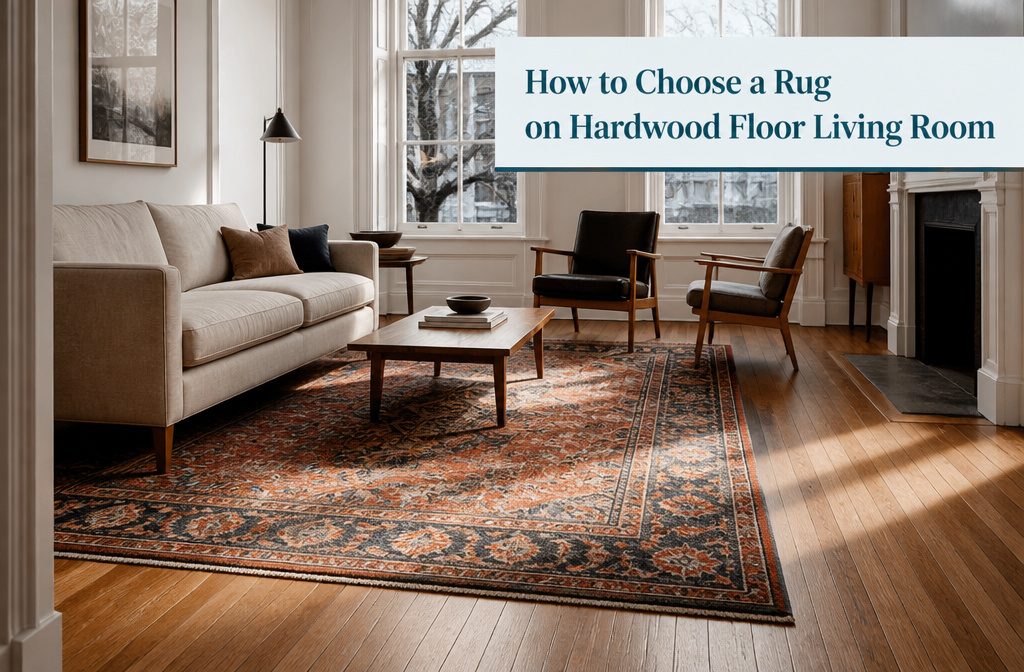
A rug on hardwood in a living room anchors furniture, absorbs sound, and protects the floor from daily wear without covering the surface you paid for.
Most people undersize it: front legs of the sofa and chairs should land on the rug at minimum, and a 9×12 or larger often looks better than the 5×7 that floats disconnected in the middle.
The floor sets the color starting point, whether you match its warm undertones or contrast against them.
Why Put a Rug on Hardwood in a Living Room
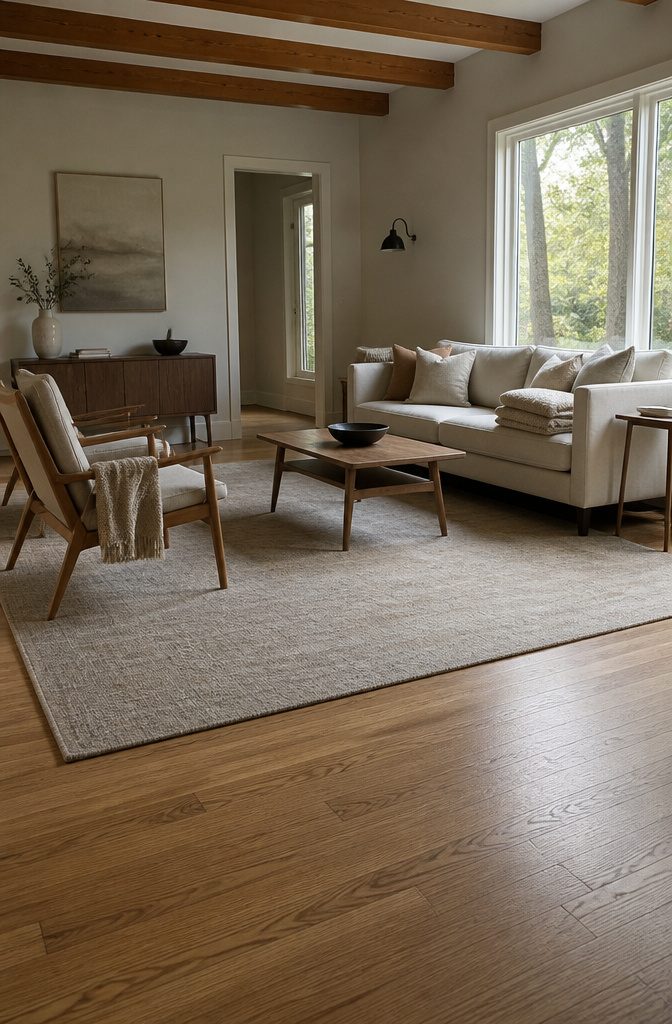
Hardwood feels smooth underfoot and shows off its grain, but after a few weeks most rooms start to feel bare. A rug fills that gap without covering what you paid for.
It absorbs the echo that makes a living room sound like a lobby, keeps your feet warmer in January, and takes the daily scuff from furniture legs and foot traffic so the finish under it lasts longer.
The floor stays the star; the rug just makes the room feel like someone lives there.
Bare hardwood can work if you’re after a Scandinavian or minimalist look where open floor reads as intentional rather than unfinished.
But even in those rooms, a simple low-pile rug in a neutral tone adds enough warmth to make the space feel settled without weighing down the lines you wanted to keep clean.
Recommended Products

Beautiful Design Abstract Rug:The 5x7 rug design is unique and trendy, the colors blend with nature, the abstract design complements the modern tones, it blends perfectly with your home decor, adding more warmth and comfort to your home. Suitable for living room, bedroom, dining room, study, home office, etc

Machine Washable Area Rugs: Our living room rug, one of the 8x10 area rugs, surfaces is resistant to stains and dirt, and can be easily cleaned with a rag or vacuum cleaner; for deep cleaning, use a washing machine

Soft Material and Elegant Design: This 8x10 beige area rug offers designed for comfortable everyday use. Crafted from ultra-soft microfiber, it feels plush and gentle underfoot—providing a plush, cloud-like feel—offering a noticeably plush feel underfoot. Perfect living room or high-traffic areas, its central pattern elegantly blends bohemian and vintage styles. Designed to complement any interior decor, it seamlessly integrates with your home furnishings.
Decide What the Rug Should Do in Your Room
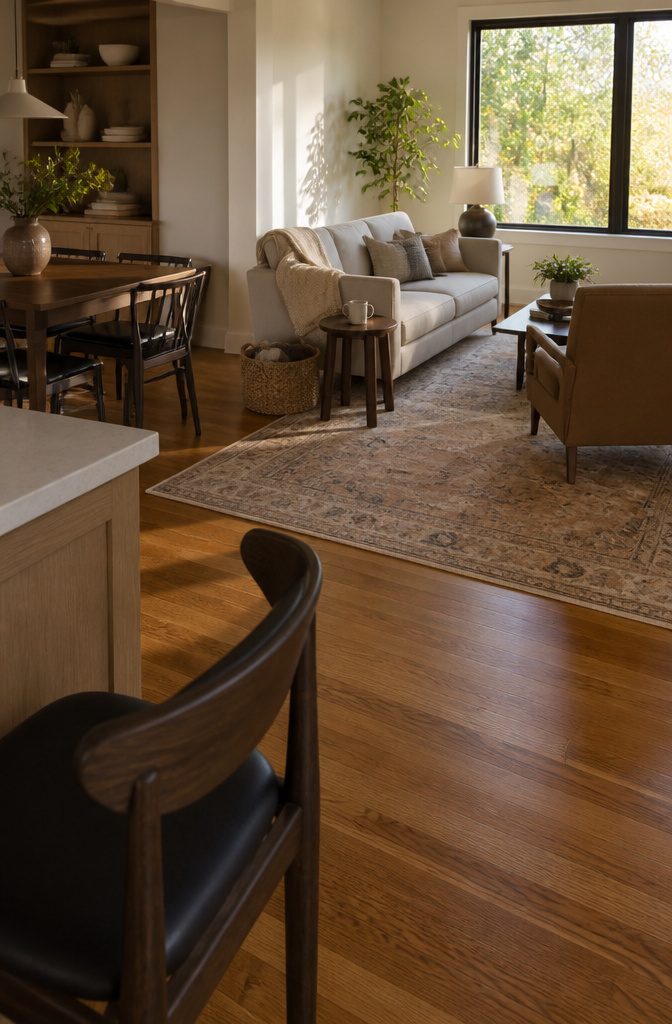
A living-room rug on hardwood can anchor furniture, carve out a zone in an open-plan space, or simply soften where you walk.
If your living room shares square footage with the kitchen or dining area, the rug marks where the seating begins without putting up a wall.
That matters in studio apartments and multipurpose rooms where one floor runs wall to wall and you need some visual signal that the couch territory is not the same as the table territory.
In a dedicated living room, the job shifts.
Here the rug ties furniture together rather than separating it from other zones. When the front legs of the sofa and chairs sit on the same piece of textile, the group reads as one arrangement instead of four things floating.
A rug also protects hardwood under the coffee table and where feet scuff most, though that is usually a side effect rather than the reason you bought it.
Recommended Products

MACHINE WASHABLE RUG-Please note that compared to real 3D carpets, which are three-dimensional, bumpy and tactile, our carpets are 3D visual effects with a flat surface.The convenience of being able to easily clean your area rug in a washing machine is a considerable advantage. Especially for families with children and pets, simply toss it in the washer for a quick wash and dry it on the air-only setting

Stain-Resistant & Machine-Washable: Built for busy households, this neutral beige 8x10 washable area rug tackles spills, pet messes, and deep-seated dirt with ease. Simply wash on a gentle cold-water cycle using mild detergent, then air dry or tumble dry low — no heavy scrubbing needed. Ideal for high-traffic living rooms, dining areas, and pet-loving homes.

Ultra-thin & Safe Kitchen Rugs: Our entryway rug is a super cozy crystal pile that is not only super soft, but also fade resistant.The 0.166-inch thick, low-pile runners for hallways is easy to place in entryways and under furniture, and won't block doorways
Choose Size and Placement Around the Furniture
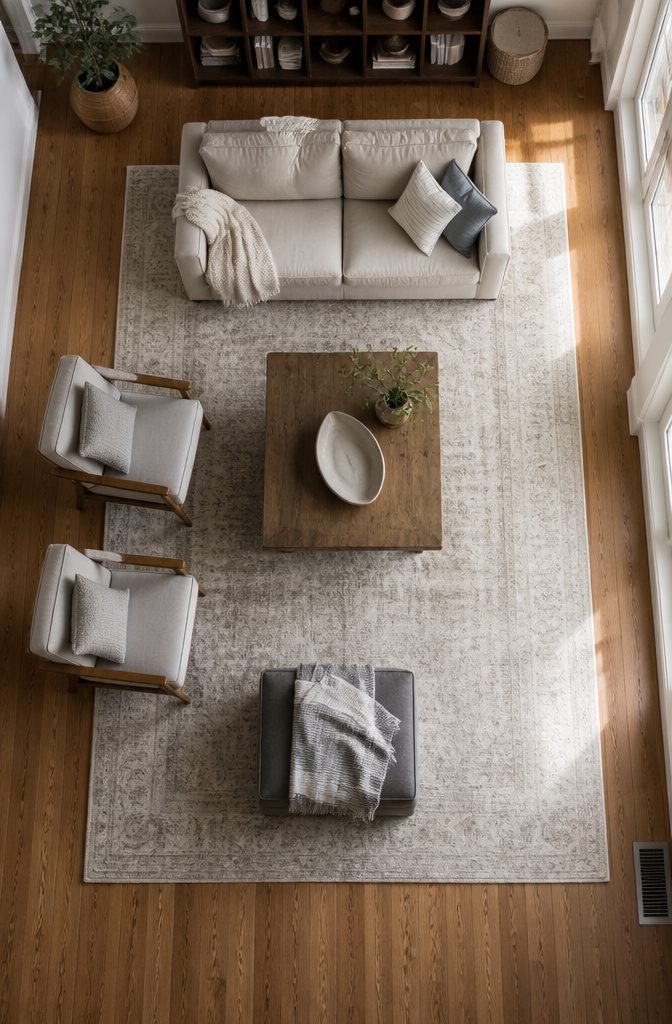
Start with front legs: at minimum, the front legs of your sofa and chairs should sit on the rug. That placement anchors the furniture and makes the seating area read as one zone rather than a scattering of pieces.
A bigger rug that holds all the main furniture looks better than most people expect, and it solves the problem of a small rug that floats disconnected in the middle of the room.
In a large living room, a 9×12 or 10×14 rug can fit the entire conversation area on top of it. Smaller rooms work with a 5×7 or 6×9, where just the front legs land on the rug and the back legs stay on wood.
Either way, the rug should extend at least 12 inches past the coffee table so the table does not look like it is sitting on the edge.
If you have expansive hardwood, leave 6 to 12 inches of bare floor showing around the rug. Covering too much hides the floor you chose hardwood to display.
Recommended Products

Vintage American Rug: This green 9'x12' area rug blends American retro, modern, and boho styles. Distressed floral and botanical patterns paired with rich earthy tones create a warm, timeless aesthetic. Perfectly suited for farmhouse, boho, mid-century, or traditional decor

Soft Area Rug: This 9'x12' area rug features chic, faded floral motifs in a vintage color palette.Blending retro, flowers and boho styles, it complements any décor. Made from durable faux wool, it’s luxuriously soft—perfect for barefoot comfort

Washable Rug Easy Maintenance: This 9x12 washable area rug offers ultimate convenience for busy families. You can safely machine wash this living room rug in cold water alone for thorough deep cleaning. Regular vacuuming and simple spot cleaning keep the surface looking fresh all year long. The premium colorfast material stays vibrant without fading, ideal for living room, bedroom, dining room and households with kids and pets.
Match or Contrast Color and Pattern With the Floor
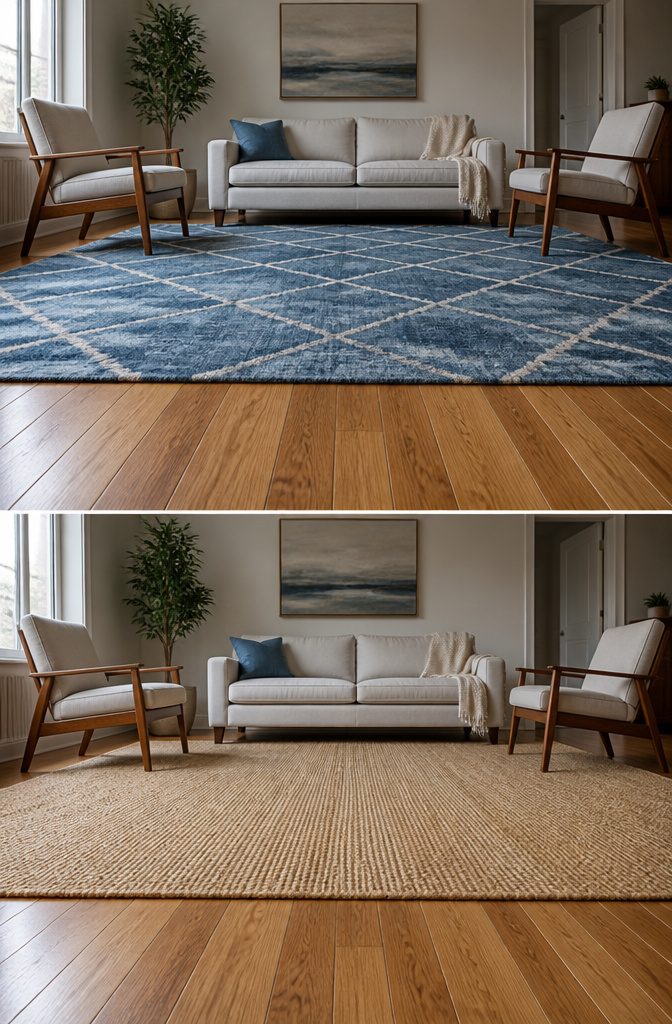
I start with the floor itself — the tone of the wood, whether it reads warm or cool, and how much grain shows through the finish.
A rug that picks up one of those undertones ties the room together without matching exactly: a washed blue against honey oak, ivory or muted terracotta on dark walnut.
Contrast lets both surfaces keep their character instead of blending into one flat field.
Pattern scale matters as much as color. If the floorboards have prominent grain, a larger, bolder rug pattern holds its own without competing.
Small, busy motifs can clash with the natural lines running through the wood. A narrow stripe plays well against wide planks; a time-softened floral loosens the edges of a spare, modern room.
The rest of the décor decides whether geometric shapes or organic forms fit better, but the wood sets the starting point for everything else.
Recommended Products

【Classic Patterns and Stylish Textures】The gently faded pattern makes the 3x7 rug runner look well loved and wise while the bright coloring gives 3x7 rug personality and character. Timeless designs are chosen from a variety of styles. The 3 x 7 runner rug can complement a variety of decor styles from country to contemporary.

The Chris Collection area rug by Chris Loves Julia x Loloi is a fresh take on the classic stripe, with a soft color palette and neutral background.

The Ember Collection by Loloi Angela Rose x Loloi is a soft flatweave area rug that’s space-dyed for a dynamic range of neutral colors, with a timeless plaid pattern that adds depth to any room.
Choose Material and Construction for the Household
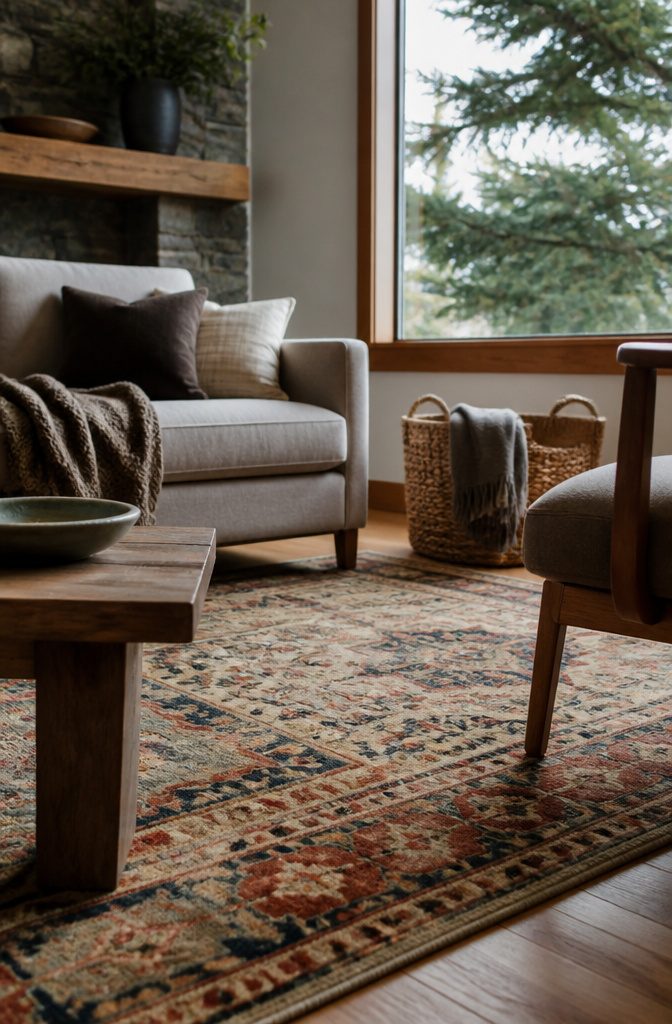
Wool stays comfortable in a mountain house where the temperature swings, and the fiber bounces back underfoot when furniture moves or people gather.
A hand-knotted wool rug brings detail and resilience into a high-traffic living room; a wool flatweave sits lower and slides under chair legs without bunching. Cotton feels lighter and works in smaller rooms, though not every cotton rug tolerates washing.
Jute and sisal lean earthy, but neither handles moisture well, so spills need immediate attention. Synthetic options like nylon and polypropylene resist stains, though fiber alone does not guarantee compatibility with every floor finish.
For households with pets, a dense low pile and a varied pattern hide the signs of daily use better than a solid field, and avoiding prominent loops keeps claws from snagging.
Hand-tufted rugs rely on adhesive backing, so checking what that backing is made of matters before it touches polyurethane.
Recommended Products

Rainbow Arch Textured Rug with High Low Tuft Piles: This rug is not printed, it is woven with 2 heights of piles. The high low pile effect creates wavy lines arch patterns, adding interest and softness to your floors
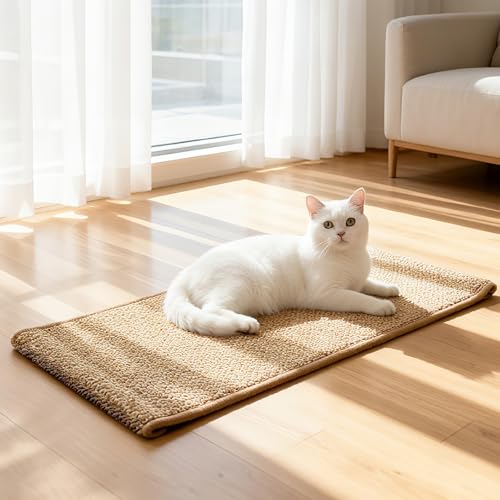
Dual-Use Design: Use it as a cat scratcher replacement pad for your existing ordora cat scratcher, or place it directly on the floor as a cat scratching mat. One pad, two ways to keep your cat happy and your home tidy

Easy Jute Rug: Enjoy the natural look of a jute-style rug with the added durability of our Easy Jute rug. Made from high-quality, safe polyester (not real jute), this low pile area rug resists cracking, scratching, shedding, and fraying over time. Designed for high traffic areas, it offers a durable, low maintenance rug solution ideal for entryway, bedroom, kitchen, and indoor outdoor use.
Protect the Floor and Maintain the Rug and Pad
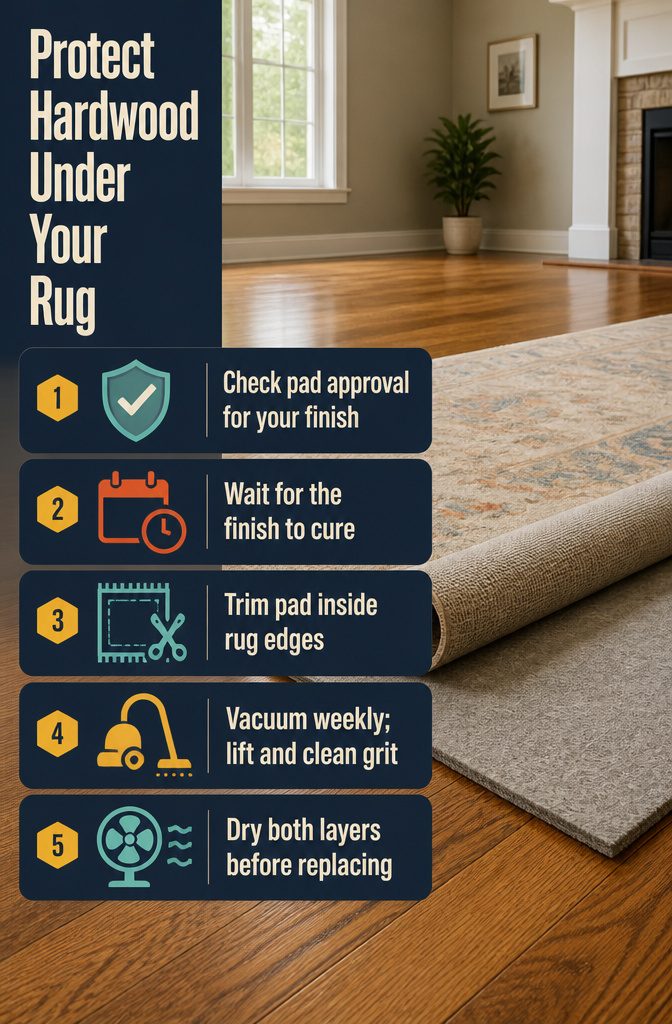
Start by checking that the rug pad and backing are approved for your floor’s finish. Felt protects well but may not stop a small rug from sliding; a felt-and-rubber combination adds grip if the finish manufacturer allows it.
Some backing materials, adhesives, and deteriorating latex or rubber stick to or discolor certain finishes, especially with heat or moisture.
Newly finished floors need to cure for the full period the manufacturer specifies before you cover them. Cut the pad slightly inside the rug’s edges so it stays hidden and the edges lie flat.
Vacuum once a week in most homes, twice a week in high-traffic rooms with kids or pets.
Lift the rug periodically to clean the grit that works through and scratches the finish beneath. Blot spills immediately, and if moisture reaches the underside, let both rug and pad dry completely before putting them back down.
Rotate the rug occasionally so one side doesn’t wear faster than the other or fade unevenly in sunlight. Deep clean every 12 to 18 months.
Recommended Products

[Striking Abstract Design]: Our abstract modern rug stands out with a striking mix of bold color blocks and eye-catching organic textures. It brings a touch of cutting‑edge elegance to living rooms, bedrooms, kids’ rooms and more, and fits right in with minimalist styles without even trying.

Machine Washable Rug: These 8x10 area rugs made from polyester feature stain-resistant surfaces to repel spills and pet messes easily. These washable rugs 8x10 can be washed on a cold gentle cycle, and standard vacuums and robot vacuums simplify routine upkeep

Machine Washable & Easy Care: Regular upkeep is simple with a vacuum. For deep cleaning, machine wash in cold water below 87°F and hang to air dry. Tackle stains conveniently and keep your rug fresh with minimal effort.
Pad and Backing Compatibility With Hardwood Finishes
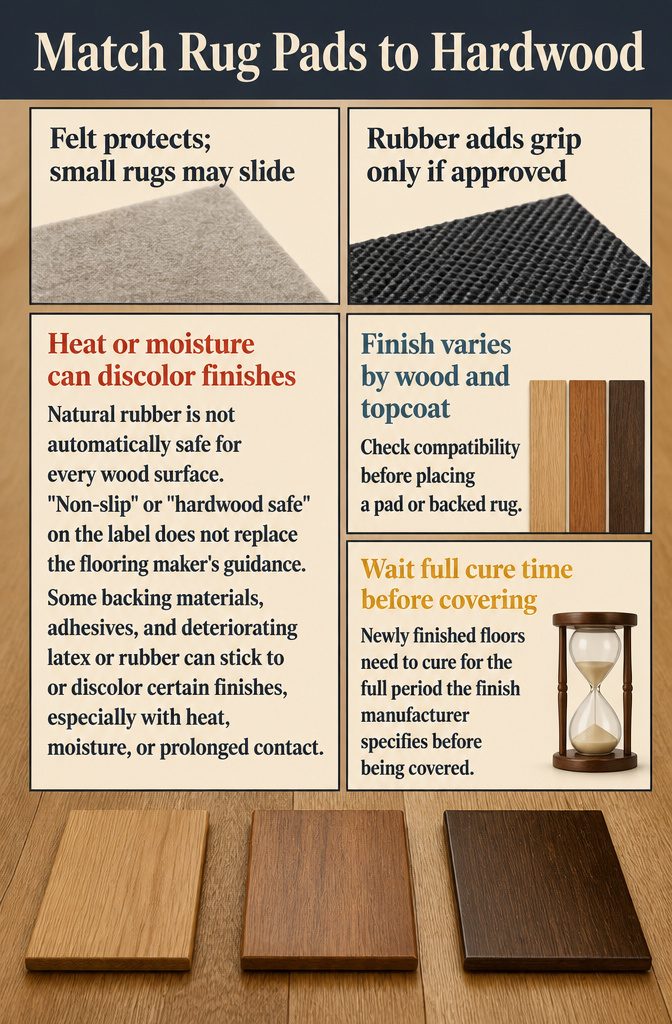
Felt provides a protective layer but may not stop a small rug from sliding; a felt-and-rubber combination adds grip if the flooring manufacturer approves it for your finish.
Natural rubber is not automatically safe for every wood surface, and "non-slip" or "hardwood safe" on the label does not replace the flooring maker’s guidance.
Some backing materials, adhesives, and deteriorating latex or rubber can stick to or discolor certain finishes, especially with heat, moisture, or prolonged contact.
Solid hardwood, engineered wood, and different topcoats each have distinct tolerances, so checking compatibility before placing a pad or backed rug matters more than assuming all wood is the same.
Newly finished floors need to cure for the full period the finish manufacturer specifies before being covered.
Recommended Products

【Easy to Clean & Low Maintenance】 Machine Washable Rug: Simply toss in the washer for a quick refresh(cold water recommended). Stain-Resistant & Quick-Dry: Easy to clean with a regular vacuum cleaner. Spills wipe clean easily with a towel or damp cloth. Retains Shape & Color: After repeated washing, the area rug still maintains bright colors, and reduces the troubles of difficult maintenance of traditional carpet, and makes home hygiene maintenance easier.

Stain & Fade Resistance Living Room Rug - Experience high-end texture that's built to last. Our innovative permeation printing makes this 6x9 area rugs vividly detailed, soft faux wool that resists stains, fading and shed, ensures this rugs for bedroom maintains its elegant look for years, even in high-traffic areas or washed many times.
Rotation, Sunlight, and Wear
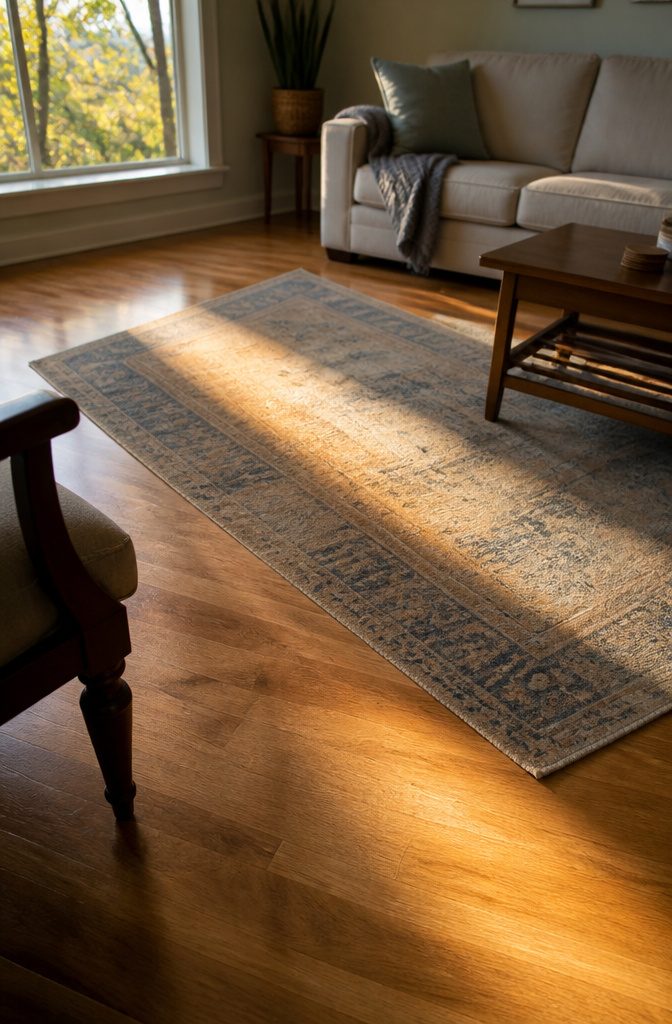
Rotate rugs every few months to keep wear even across the surface. Heavy traffic zones — the path from the sofa to the door, the spot where people drop into a chair — break down pile faster than the edges.
Turn the rug 180 degrees so the worn stripe trades places with the part that was resting quietly under the coffee table.
Wood under a rug stays darker than wood exposed to sun.
Leave a rug in one spot for a year and you’ll lift it to find a sharp rectangle where the floor kept its original color while the rest of the room lightened by two shades.
If you store rugs in summer and bring them back in fall, the floor color stays more uniform. If you don’t rotate at all, expect a visible difference when you eventually move furniture.
Skip putting delicate or valuable rugs in high-traffic lanes. Silk and fine wool belong where feet land lightly, not where the whole household walks ten times a day.
Recommended Products

【Easy-Care Machine Washable Rug】 Designed for active households, this low-maintenance boho rug combines style with practicality. Conveniently machine washable (cold gentle cycle recommended), and do not add bleach. Maintain its vibrant print between washes with routine vacuuming or spot cleaning. Minor shipping creases naturally relax within days when laid flat – no extra effort needed.

Elegant Farmhouse Floral Rug: Inspired by vintage botanical artistry, this carpet features rich hues and intricate floral detailing. It pairs beautifully with boho, traditional, modern, and farmhouse decor, bringing a welcoming touch to your living room, bedroom, dining room, kids’ room, or home office

Safety And Non-Slip Rugs: Our area rug is made of the highest quality polyester fiber, and the non-slip TPR backing helps the carpet stay in place and hold the floor firmly, protecting your children and elderly from slipping and falling.
Moisture and Cleaning Beneath Rugs
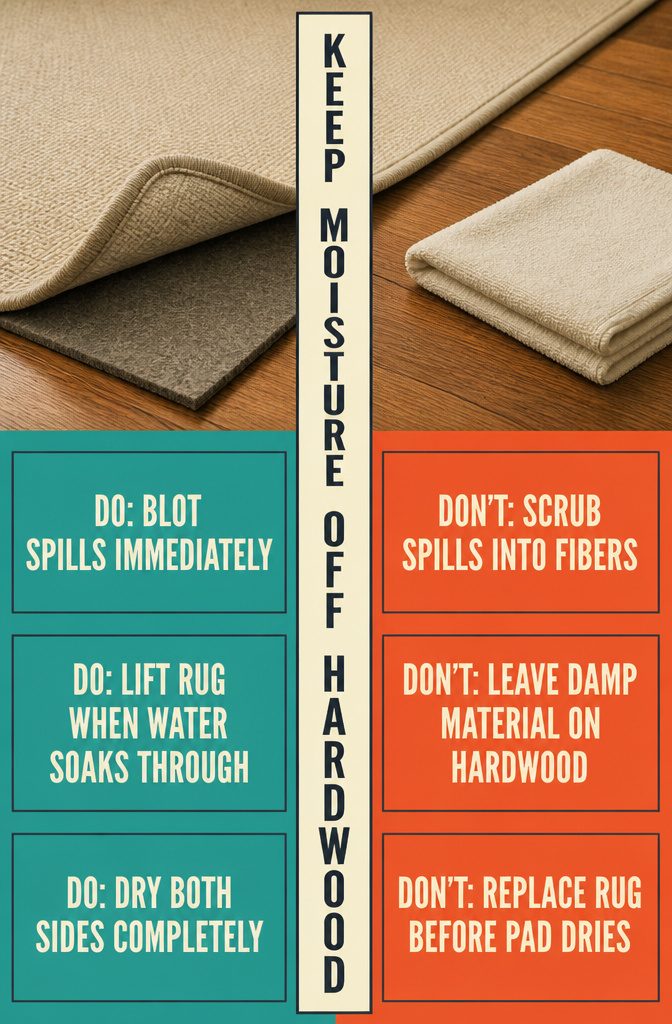
Blot a spill the moment it lands rather than scrubbing it in, and lift the rug immediately if water soaks through to the pad.
Hardwood tolerates a quick wipe but not hours under damp material, and a wet pad pressed against the finish invites discoloration or worse.
If you wash a rug off the floor, hang it until both sides are completely dry before you put it back down.
Every few months I pull the rug back to vacuum the floor underneath and check that the pad still lies flat and intact.
Dust settles where you cannot see it, and a pad that has started to crumble or stick needs replacing before it marks the finish. The lift takes two minutes and catches problems while they are still easy to fix.
Recommended Products
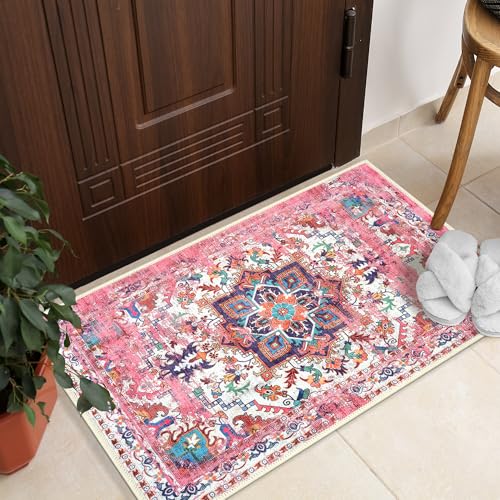
Machine Washable: Easily clean your traditional throw rug by tossing it in the washing machine for hassle-free maintenance

The Ember Collection by Loloi Angela Rose x Loloi is a soft flatweave area rug that’s space-dyed for a dynamic range of neutral colors, with a timeless plaid pattern that adds depth to any room.

The Fabian Collection modernizes diamond-shaped Moroccan rug motifs in neutral colors; designed by Loloi.
Frequently Asked Questions
Recommended Products

Joyful Nature Motif Decor: This vibrant rug features a warm orange-yellow base with a large red-orange floral center, surrounded by symmetrical birds and blooms. Perfect for Bohemian, Scandinavian, Modern, and Country styles, it brings joyful energy to living/dining areas, creating a warm, romantic vibe that elevates your space's aesthetic appeal.

Rainbow Arch Textured Rug with High Low Tuft Piles: This rug is not printed, it is woven with 2 heights of piles. The high low pile effect creates wavy lines arch patterns, adding interest and softness to your floors
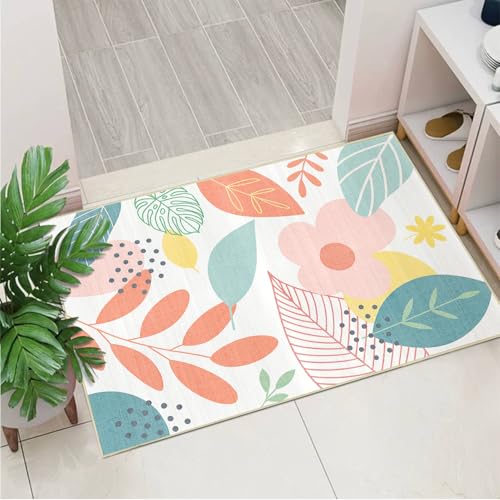
Unique & Stylish Design: Elevate your space with this pastel floral rug featuring pink blooms, teal leaves, yellow flowers, and playful polka dots. The modern boho-nordic art adds softness to living rooms, bedrooms, or nurseries—perfect for bright, cozy decor
Do rugs damage hardwood floors?
Not if you choose the right pad and backing. Some rubber or low-quality latex can stick to finishes or leave marks, especially with heat or moisture.
A felt or felt-and-rubber pad approved by your flooring manufacturer protects the surface, and lifting the rug every few months to vacuum underneath prevents grit from scratching the finish.
What size rug should I use in a living room?
At minimum, the front legs of your sofa and chairs should sit on the rug.
A 9×12 or 10×14 works in larger rooms where all the furniture can fit on top. In smaller spaces, a 5×7 or 6×9 anchors the seating area with just the front legs on the rug and the back legs on wood.
How often should I clean a rug on hardwood floors?
Vacuum once a week in most homes, twice a week in high-traffic rooms with kids or pets.
Lift the rug every few months to clean the floor underneath and remove grit that works through the pile. Deep clean every 12 to 18 months.
Can you put area rugs on any type of flooring?
Yes. Rugs work on hardwood, tile, laminate, and stone as long as you choose a material and backing that suit the surface.
Check that the pad is approved for your specific finish, and avoid backing that can stick or discolor with heat or moisture.
How do I make a rug stay on a hardwood floor?
Use a felt-and-rubber pad if your flooring manufacturer allows it.
Felt alone may not stop smaller rugs from sliding. Cut the pad slightly inside the rug’s edges so it stays hidden and the edges lie flat.
Are area rugs necessary on hardwood floors?
Not in every room, but they absorb echo, add warmth underfoot, and protect high-traffic zones from scuffs.
A rug also anchors furniture and defines seating areas in open-plan spaces. Bare hardwood works in minimalist settings where open floor reads as intentional rather than unfinished.