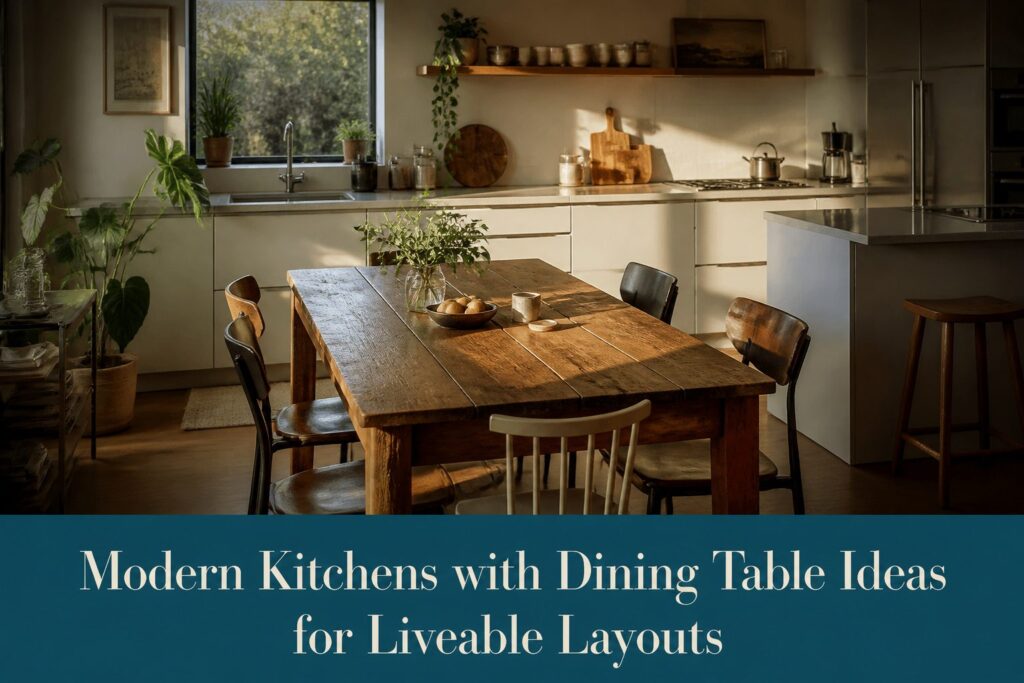
The right dining table for a modern kitchen depends on whether the room is open-concept or walled, because that single decision determines whether the table divides zones or simply fits into one.
Every option below, from a 36-inch counter-height island to a wall-mounted drop-leaf, was chosen for layouts where floor space is the limiting factor rather than budget.
The 70 cm clearance rule appears in every section because it is the measurement that separates a usable kitchen from a traffic jam.
1. Kitchen Island with Dining Table
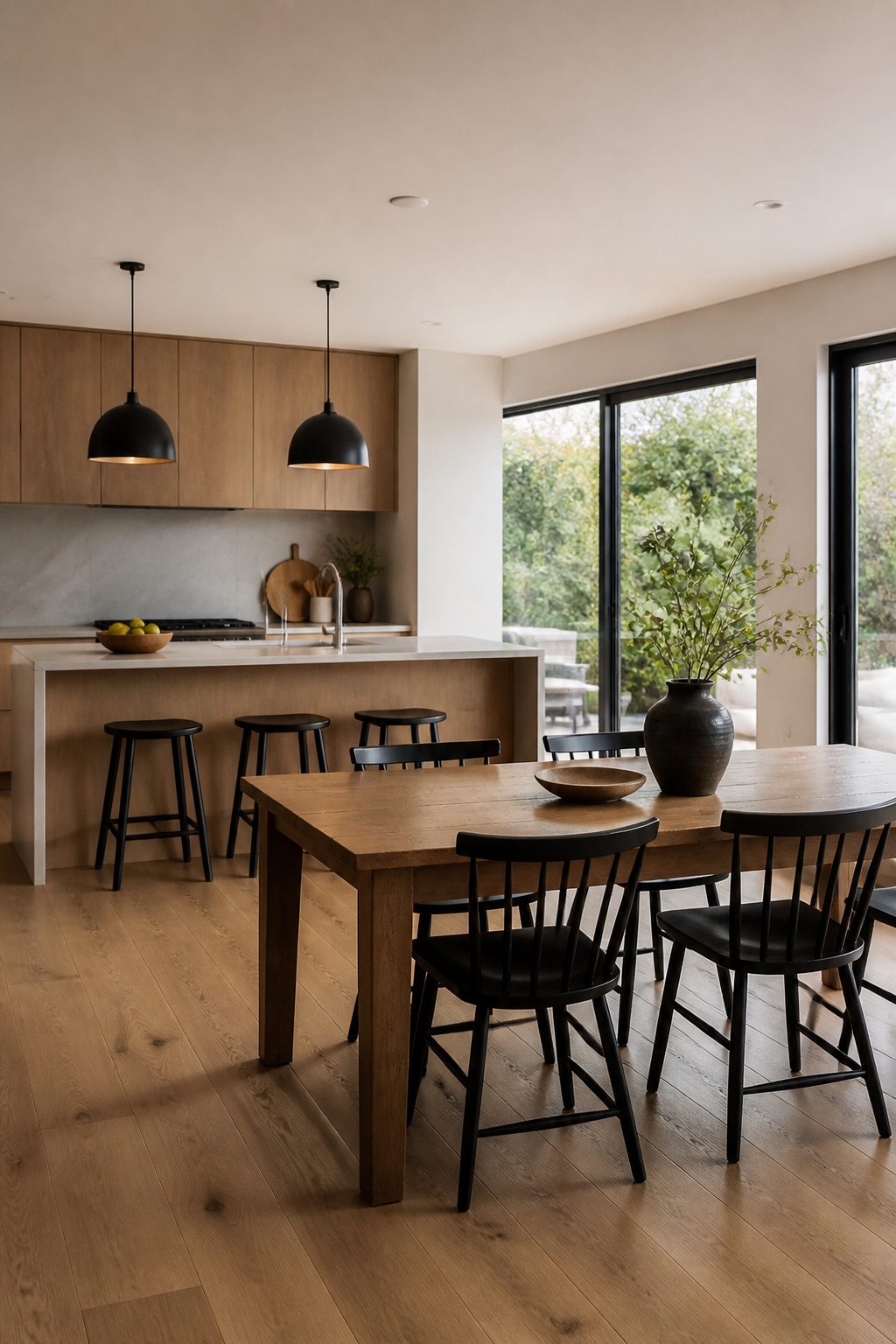
A kitchen island set to 36-inch counter height reads as a dining table the moment you pull up a stool.
That six-inch lift above standard table height erases the border between prep and plate, so the same surface carries you from morning coffee to evening pasta without anyone relocating.
You need breathing room around it.
The minimum gap to a wall or cabinet run sits at about 70 cm, roughly 27.5 inches, or the island becomes a choke point. In an open layout, that clearance lets traffic flow behind seated diners while keeping the cook in conversation.
Material choice decides whether the island reads as kitchen or furniture. Wood warms the space and forgives the daily beating a dining surface takes.
Marble, especially a honed Calacatta or polished Nero Marquina, borrows from luxury kitchen vocabulary and ties to a matching dining table if you want the stone story to carry through.
Black countertops against white marble create the sharpest version of that link.
The stools matter as much as the top. Counter-height bar stools that tuck fully underneath keep sightlines clean when the island stands empty.
Recommended Products

1. 36" Tall Dining Table: Designed for ultimate comfort, it lets you stretch out naturally, while the thoughtfully raised legs offer 15% more knee space than standard tables. Experience effortless chair tucking and unrestricted movement—say goodbye to cramped dining. The 36-inch-high countertop keeps conversations flowing seamlessly through family dinners and game nights

✅ Perfect 26" Counter Height Fit: Designed with a 26-inch seat height to perfectly match 36" to 39" kitchen counters and islands — no more guessing if your stools will be too tall or too short. Overall dimensions: 36.6"H × 18.9"W × 20.9"D; seat dimensions: 17.3"W × 15.7"D.

DESIGNED FOR 35-37 IN KITCHEN ISLANDS: 24.8 in seat height and 6.7 in footrest put you at the right level for standard counter-height islands. Seat measures 16.9 x 17.7 in, chair measures 19.1"D x 16.1"W x 37"H - check your counter before ordering.
2. Open-Plan Kitchens with Dining Tables
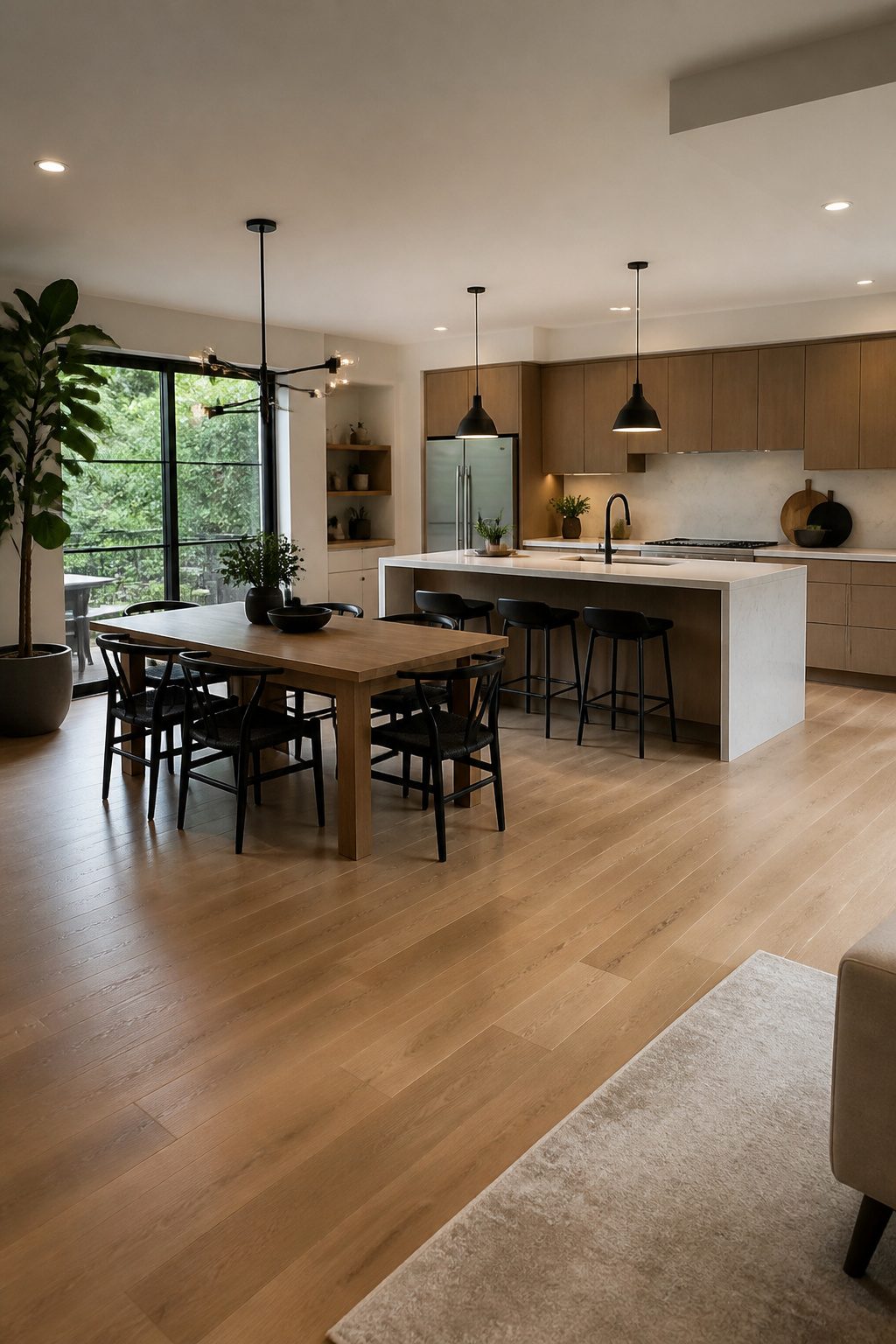
An open-plan kitchen with dining table works best when the table earns its keep as more than furniture. In a wall-free layout, it becomes the element that separates cooking from living without cutting off sight lines or conversation.
I like a long rectangular table placed parallel to the kitchen run: you keep the full span visible, but anyone seated faces the room, not the backsplash.
The table as room divider only succeeds if you leave 36 inches minimum on every side for circulation. Less than that and the kitchen triangle collides with chair pull-out.
Rustic and industrial aesthetics suit this setup because both forgive the wear of daily double duty. A reclaimed wood top with metal legs handles hot dishes from the stove and homework from the next room without looking precious.
For industrial, a steel-framed table with a concrete or honed stone top gives weight that anchors the open space visually. Materials themselves do the zone-defining; a rug or pendant cluster is not required to announce where dining starts.
Visual continuity comes from repeating one finish. Match the table base to a kitchen island leg or the tabletop to open shelving across the room.
Two ways to handle seating: built-in banquette seating wrapped around one side saves floor space and tucks in neatly, or freestanding chairs keep the option to reconfigure when you need the table against the wall for a project.
The banquette wins for permanence; chairs win for flexibility. In my view, open-plan demands at least one moveable element or the space reads as staged rather than lived.
Recommended Products

SPACIOUS 78IN LARGE TABLETOP FOR 6-8 SEATING – Measuring 78"L × 39"W, this oversized rectangular dining table offers ample elbow room for 6-8 adults, perfectly suited for daily family dinners, holiday feasts, weekend brunches and large family gatherings. The generous tabletop space easily accommodates tableware, decorations and food, solving the problem of crowded dining and bringing comfortable dining experience.
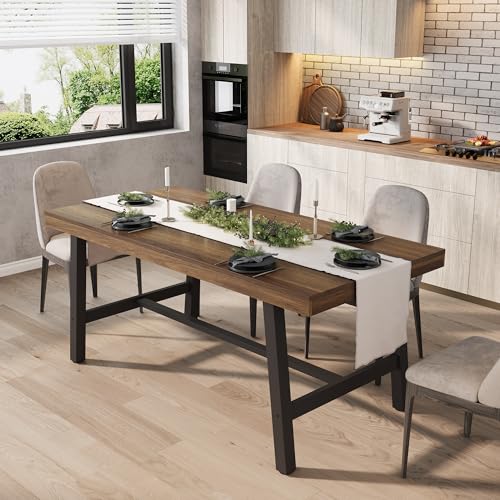
[Large Dining Table for 4 to 6] This 63-inch long dining table is designed for seating 4 to 6 people, making it a practical everyday choice for apartments, smaller dining rooms, and kitchen dining areas. The rectangular surface gives you room for plates and serving dishes without overwhelming compact layouts. The space-smart footprint is ideal for apartment living and smaller kitchens. Easy to place in a dining corner or along a wall to keep walkways open
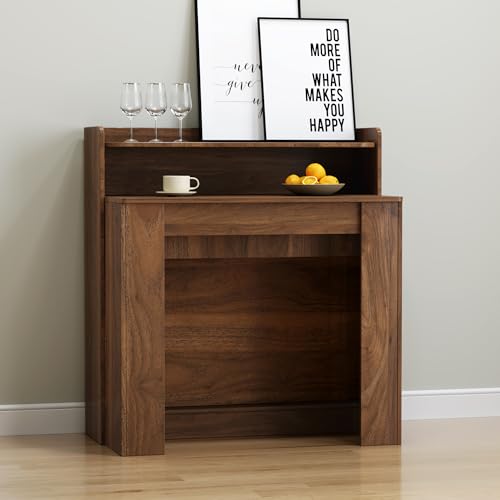
【Seats Up to 10 People】 Expands to 98.43 inches at full length to create a spacious dining table for family dinners, Thanksgiving, Christmas, holiday meals, dinner parties, celebrations, and special gatherings with friends and loved ones.
3. Built-In Banquette Seating
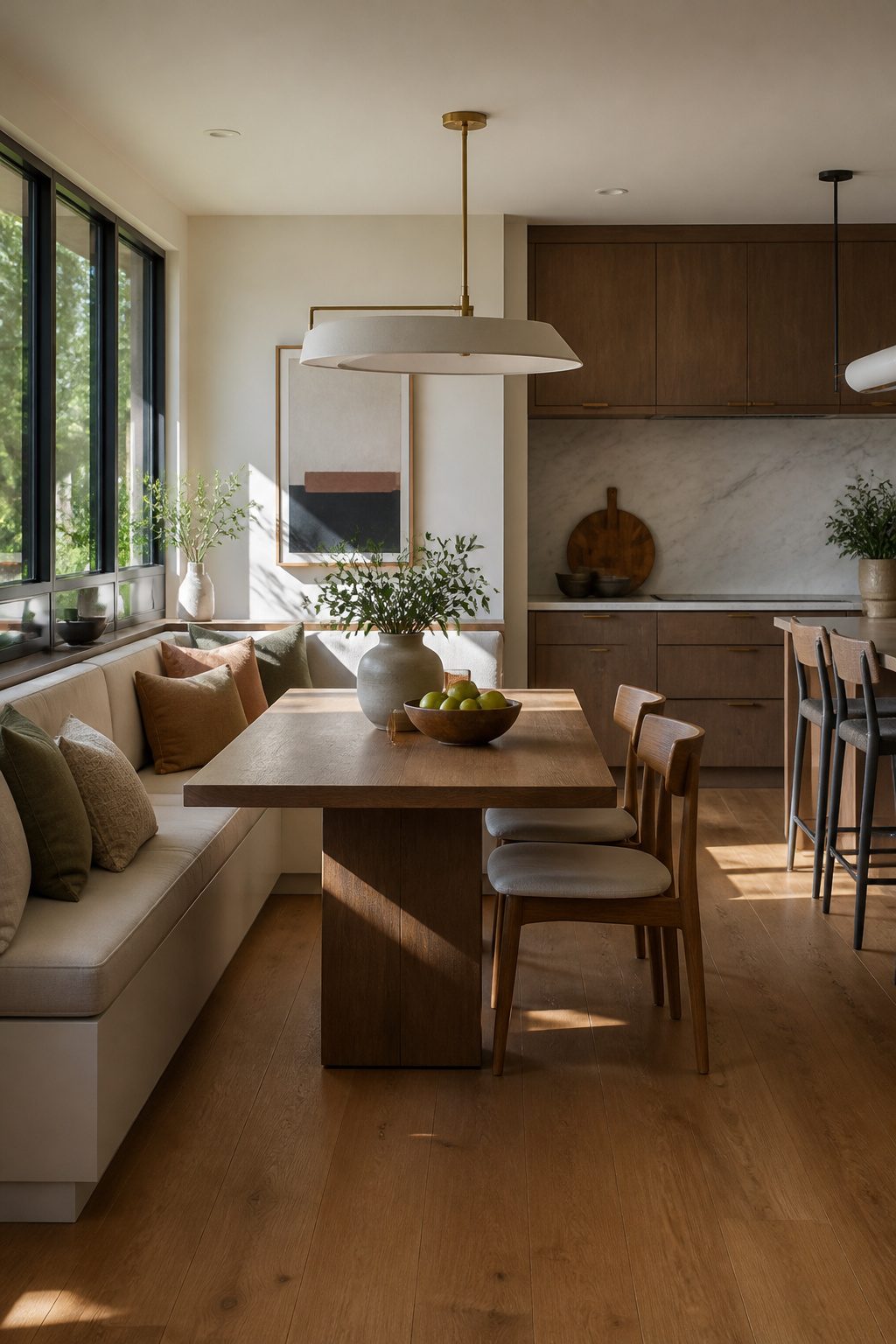
Built-in banquette seating turns the corner most modern kitchens waste into usable square footage. An L-shaped installation along two walls eliminates the need for chairs on two sides of the table, which matters when every inch of floor space counts.
The bench itself can be fitted with lift-up seats that hide storage underneath, a detail that pays off in apartments or compact eat-in kitchens where pantry space runs tight.
The look has shifted from country-kitsch to something cleaner. Upholstered seats in performance fabrics, tapered backs that sit below window sight lines, and palettes of brown and beige keep the banquette from dominating the room.
Pair it with a light wood table surface, something in white oak, against softer charcoal cabinetry to keep the warmth without drifting into rustic territory.
Curved banquettes tucked into a corner read as intentional architecture rather than afterthought furniture, and they solve the wobble and clearance issues that come with standard table legs in tight spots.
Recommended Products

【Wall Mounted Shelf】 Add Extra Space to Any Room. Whether it's in your office, bedroom, or living room as a compact workstation, in your kitchen as an extra countertop for cooking and dining, in your laundry room, on your balcony, or even in your camper or RV, this shelf is designed to adapt to your needs.

【Space Saving】Ideal for small apartments and limited spaces. Our drop leaf table would fully folded and stored in a small corver when not in use, maximizing your space.

Space-Saving Sanctuary: Great for home office and small apartments, this fold out desk frees up your space when closed—only 7.7" deep. Switch effortlessly between a full workspace and a neat display cabinet, helping you reclaim your living area
4. Mobile or Movable Tables
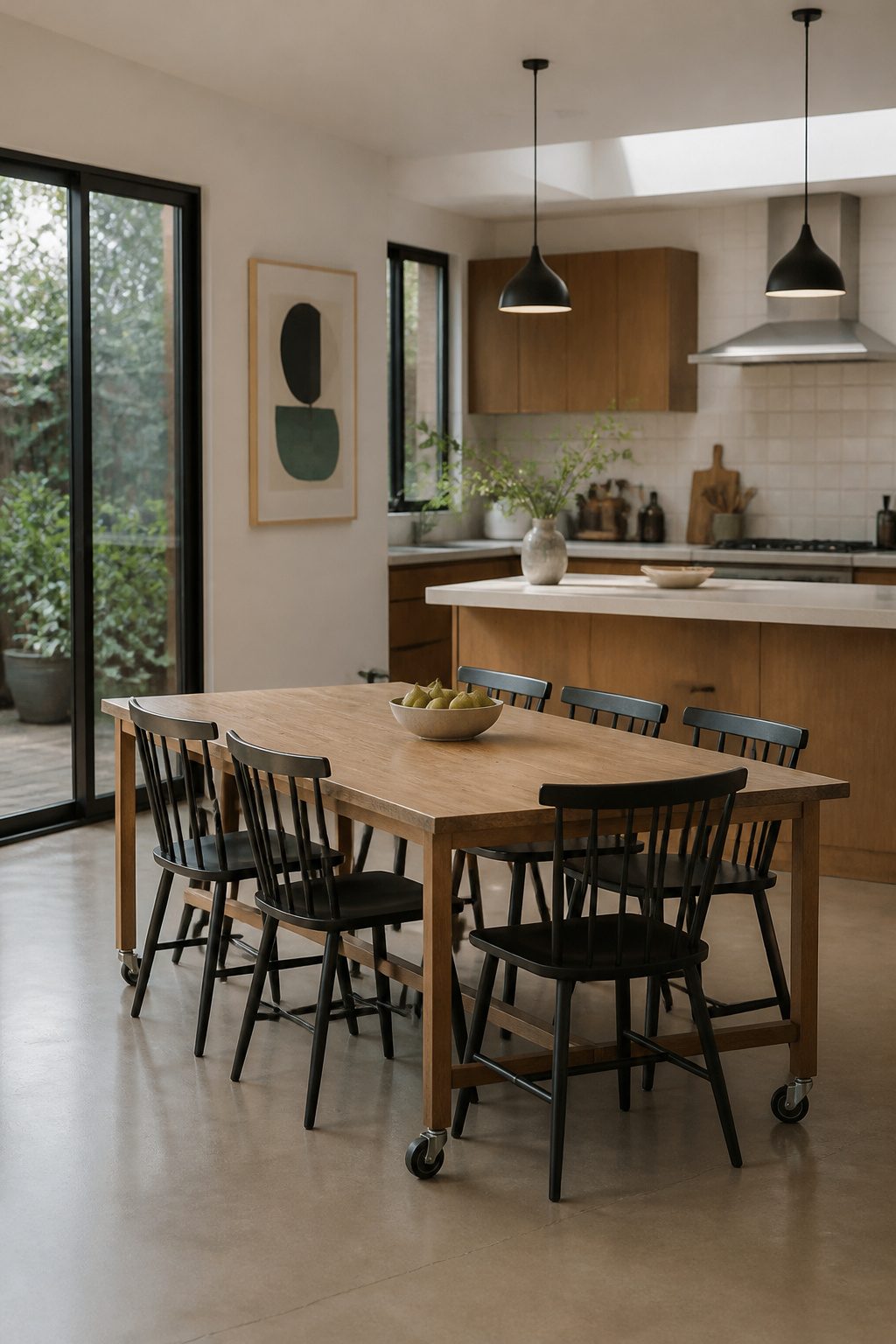
A table on casters earns its place in a kitchen that works harder than its square footage suggests.
Locking wheels let you push it flush to a wall for a two-person breakfast, roll it center for six at dinner, and wheel it straight to the patio when the weather turns.
I look for a base that spreads weight wide, because a narrow-legged frame on wheels will shimmy the moment someone leans on it.
A butcher-block top with a built-in cutting board or a drawer for knives adds real prep value, and drop-leaf sides keep the footprint small until you need the surface.
For renters who want island function without drilling into flooring, a cart-style table on heavy-duty casters is the closest thing to commitment-free.
What you give up is aesthetic: the hardware reads utilitarian, and the best-looking ones still look like what they are.
I would rather own that honesty than fight it with paint. Choose a locking mechanism that engages with a toe tap, not a bend, because the moment you skip locking one wheel is the moment the table drifts mid-slice.
Recommended Products

This industrial-style wooden dining table makes a captivating addition to your kitchen or dining room

DINING ROOM TABLE: This dining room extension table elevates casual rustic style. Clean-lined, farmhouse profile with a distressed nutmeg finish and thick planked effect top for added charm

𝐒𝐩𝐚𝐜𝐢𝐨𝐮𝐬 𝐃𝐢𝐧𝐢𝐧𝐠 𝐓𝐚𝐛𝐥𝐞: This solid wood 63” rectangular dining table seats 4-6 people comfortably, perfect for family dinners, gatherings, or hosting friends. Measuring 31.5" D x 63" W x 29.92" H, it provides plenty of space for everyone to enjoy meals together
5. Wall-Mounted or Foldable Tables
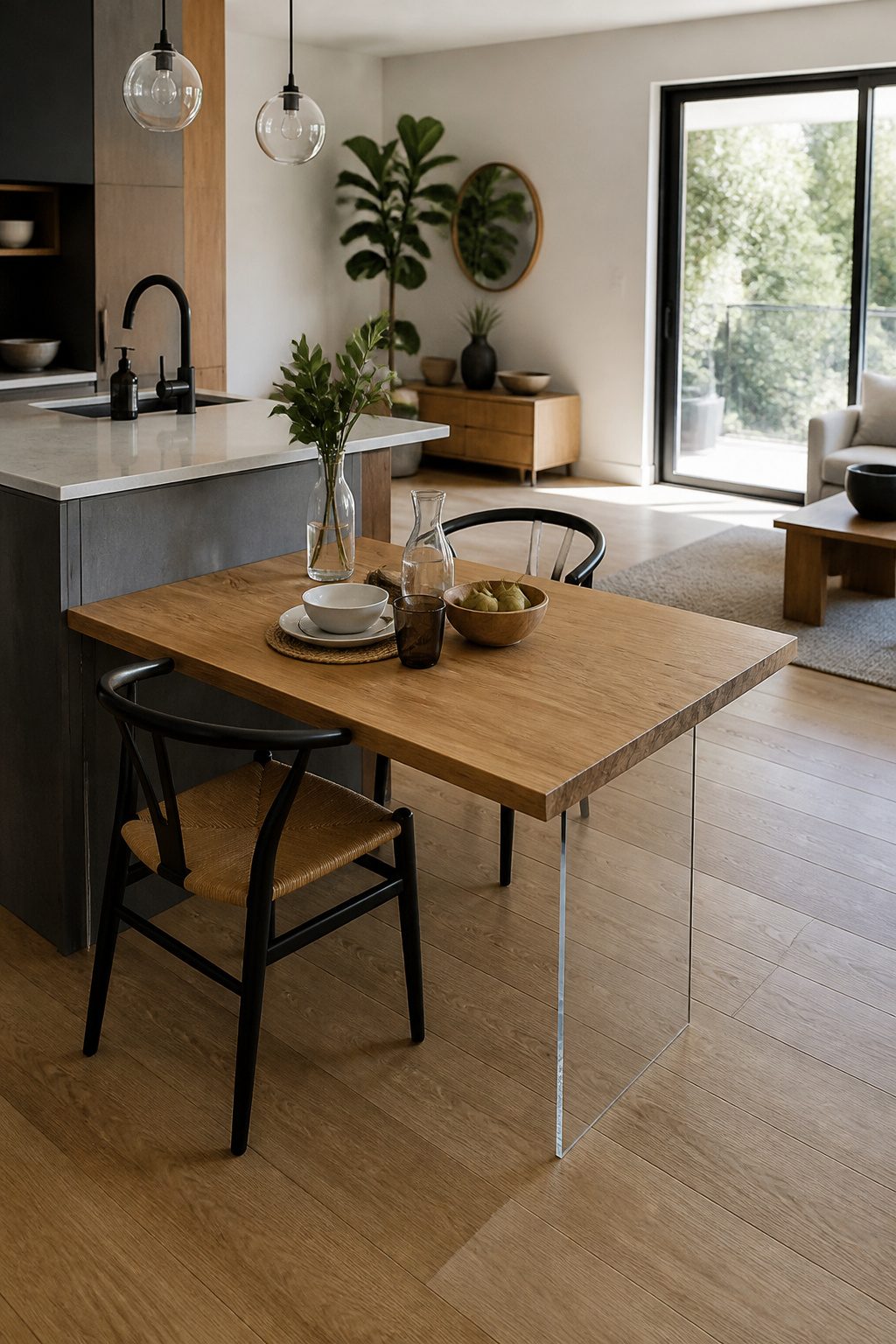
Wall-mounted drop-leaf and fold-down tables are the hardware that makes a small kitchen liveable.
A quality system uses pneumatic assists to lower the surface gently, and the folded leaf disappears flat against the wall, sometimes behind a panel matched to your cabinetry.
The hardware determines whether the result feels solid or rickety: a bracket rated for the weight you actually need, installed into a stud or blocking, never drywall alone, holds a working surface for two.
Drywall anchors might manage a laptop on a Sunday morning, but they will sag under a dinner for four.
The table folded away is invisible floor space recovered; the table lowered is a place to eat that costs you nothing when you are not eating there.
I would skip the bare bracket look and spend the slight extra on a front panel, because the point of this choice is that the kitchen never looks like it contains a compromise.
For a renter, the equation shifts: blocking or a stud is still the rule, but you patch three holes when you leave instead of tearing out a built-in.
Recommended Products

Large Imitation Marble Dining Table for 4-6 People, Island Table with LED Lights, Modern Marble Stripes Kitchen Dining Table with Grille design for Dining Room, Office, Living Room
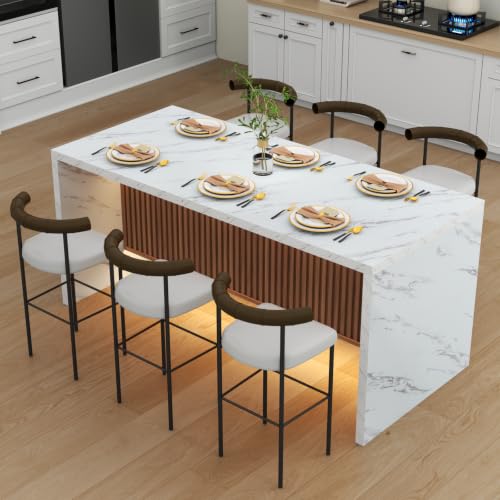
Large Imitation Marble Dining Table for 4-6 People, Island Table with LED Lights, Modern Marble Stripes Kitchen Dining Table with Grille design for Dining Room, Office, Living Room

Island Table with LED Lights: This kitchen island table is equipped with multi-color RGB LED light strips, with built-in lights adjustable via remote control or an app. Whether it's a romantic dinner, party gathering, or relaxing moment, it easily creates the ideal ambiance, enhancing every dining experience.
6. Extending Tables
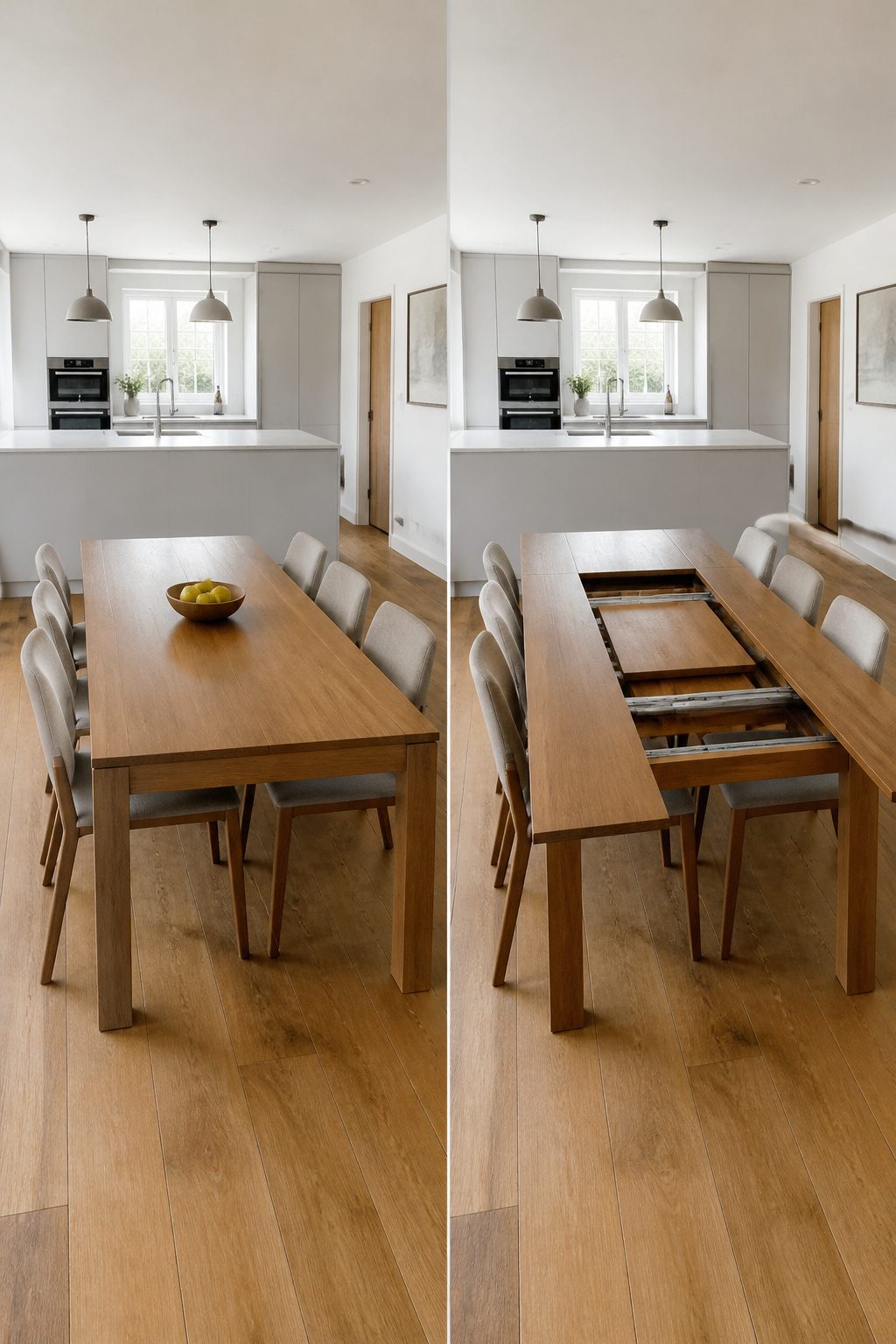
Modern extension hardware folds into the table body so cleanly that a closed leaf table looks like a fixed slab.
Butterfly leaves store inside the apron itself; pull-out slats slide from either end. The best designs leave the skirt at a height that still gives knee room once the table expands.
I look for an apron depth of at least six inches below the tabletop.
Anything shallower and the mechanism crowdfds the leg space when guests actually sit down. Most extendable tables in this category gain length for six seats comfortably, though the exact gain depends on the leaf count rather than the mechanism type.
An extending table handles the Tuesday-to-Saturday shift, real utility for a kitchen that serves as both prep zone and dining room.
When closed, the surface reads as one continuous plane; when open, the seam sits tight enough that soup does not pool in the crack.
That cleanliness is what separates contemporary extension tables from the rickety leaves I remember from rental kitchens past. If the closed table does not pass as a permanent piece, the hardware has failed regardless of how smoothly it opens.
Recommended Products

SMART SPACE‑SAVING DESIGN: This counter height dining table serves up everyday style while fitting comfortably into apartments or small dining rooms, offering the flexibility people want from a small dining table or dining table for 4
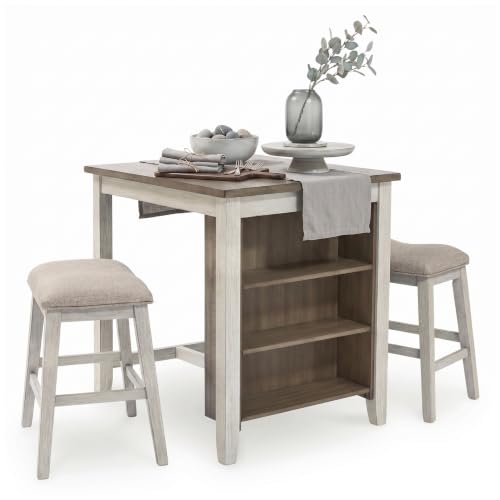
THREE-PIECE COUNTER TABLE SET: This clever counter height table and bar stool set invites you to raise the bar on small space living. Perfect for a kitchen, breakfast room or dining area in your home

Heavy-Duty Stability for Large Tabletops - Built from premium steel tubing, these heavy duty metal table legs provide exceptional strength and support for DIY furniture projects. The integrated 3.5" × 3.5" crossbar slot allows you to add a stabilizing beam, reducing wobble and supporting tabletops up to 800 lbs with confidence.
7. Nesting Tables
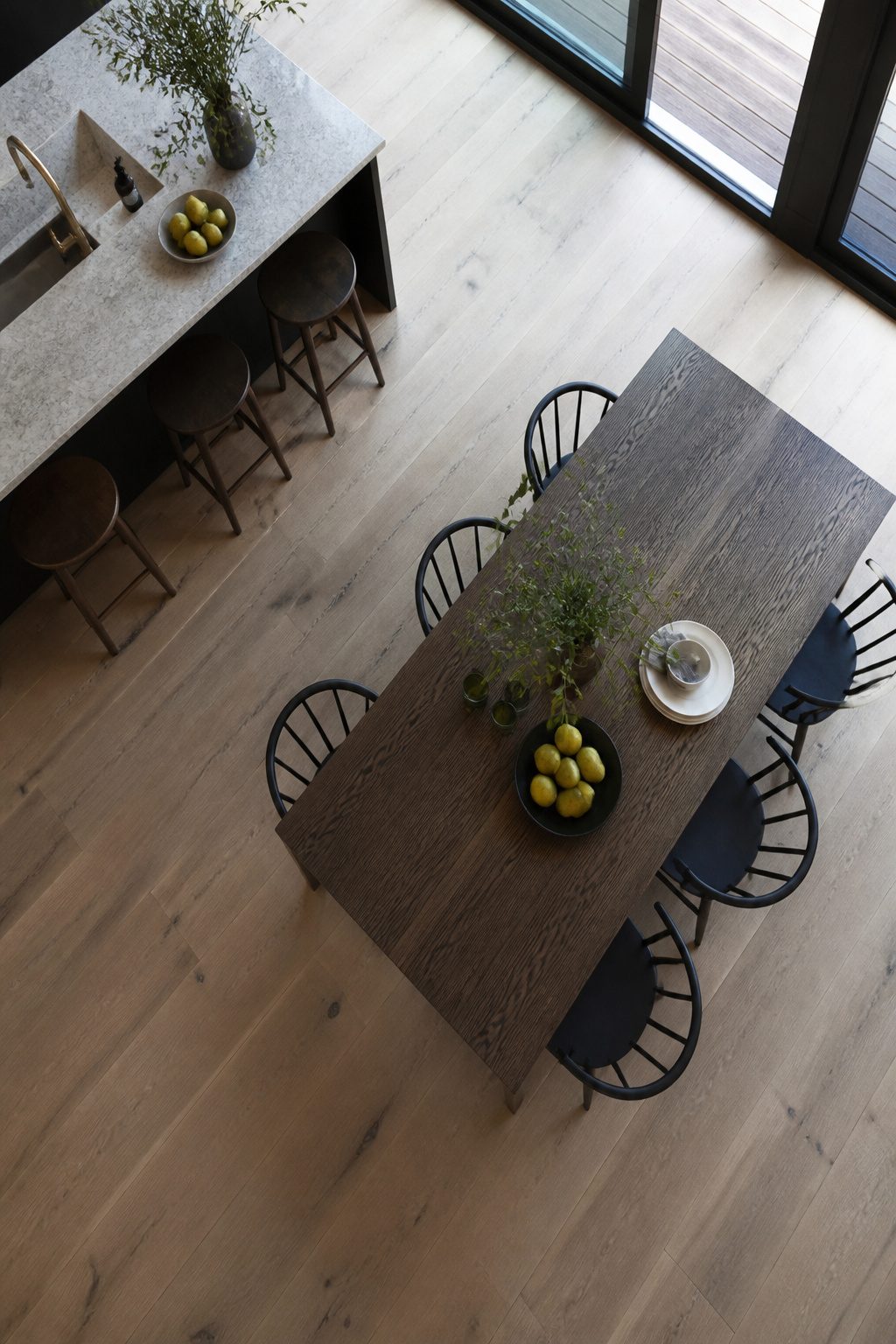
A nesting set gives you a main table with two smaller tables that slide underneath, pulled out only when company arrives.
The companions should be genuinely usable, not afterthoughts, which means checking that the smaller tables sit at a comfortable height and depth for actual dining, not just holding a drink.
This setup beats a single larger table when your kitchen sees two modes: daily life for two or three, then occasional dinners for six.
During the week you keep the footprint tight; when guests come, you pull the nesting pieces out and borrow two chairs from a bedroom or home office to complete the seating.
Four chair setups often benefit from a fifth nesting table stored elsewhere until needed.
Modern sets run in two directions: powder-coated metal frames with thin laminate tops that read clean and industrial, or solid wood frames in ash or oak with rounded edges that soften into Scandinavian-influenced kitchens.
Metal tolerates a damp cloth and sits lighter visually; wood gains character with use but needs coasters and occasional oiling. The metal sets usually cost less, though the gap narrows if you compare veneered wood to solid.
Recommended Products

Natural Grain Design - Authentic Scandinavian Wabi-Sabi Design Handcrafted from sustainably sourced wood with natural grain patterns, this dining table embodies the tranquil beauty of Japanese minimalist aesthetics, perfect for creating a serene dining atmosphere in modern farmhouses, urban lofts, or coastal retreats.

Spacious Dining Surface for Everyday Gatherings: The generously sized rectangular tabletop comfortably seats family and guests, providing ample room for plates, serving dishes, and center décor—perfect for daily meals, holidays, and entertaining

Large Extendable Dining Table: This long dining table is for seating 6 to 10 people, making it a good helper for a family party. And the extendable dining table features a tabletop that can be easily lengthened from 55 inches to 86 inches, making it for both small and large gatherings
8. Counter-Height Dining Tables
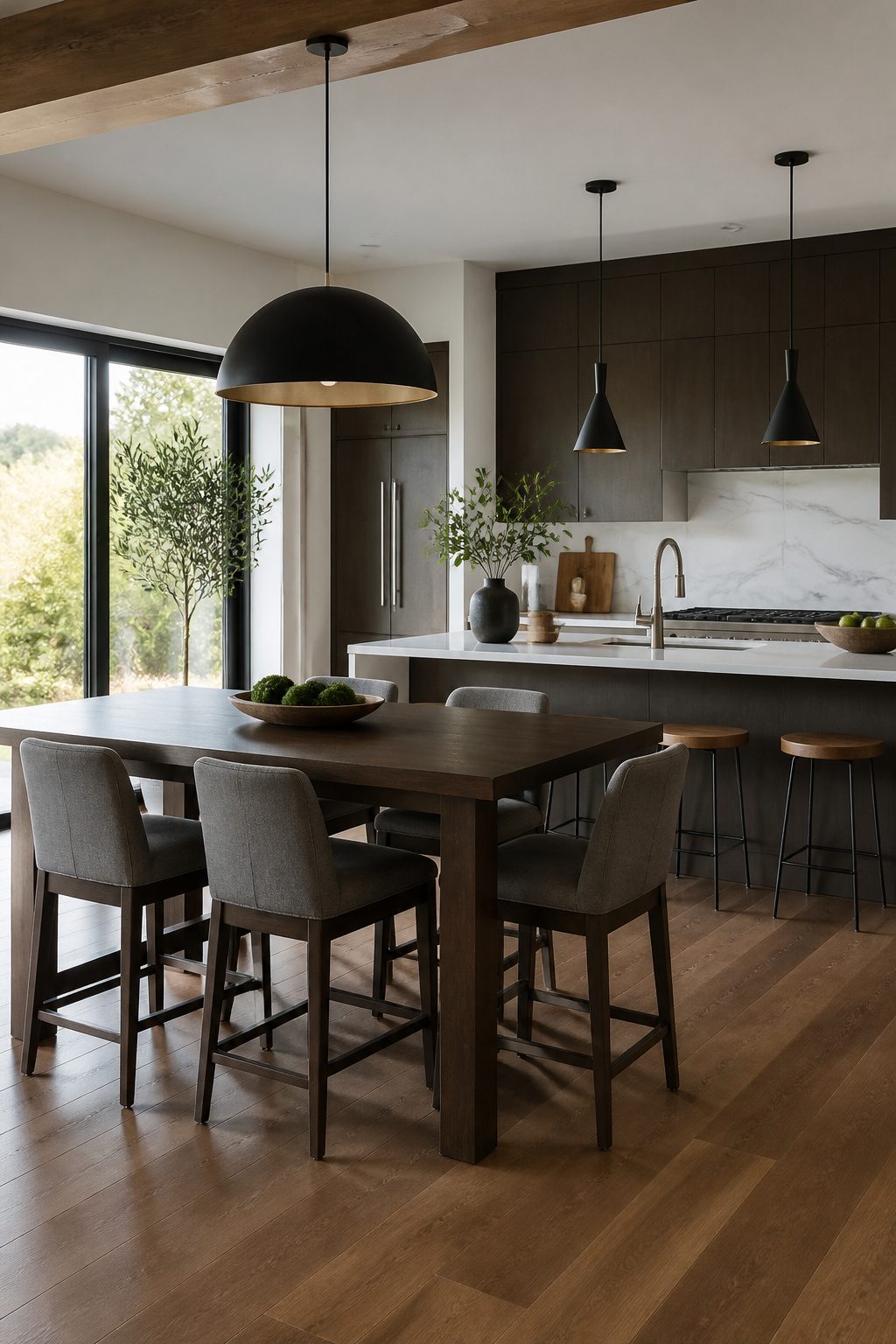
The 36-inch counter-height standard lines up flush with most kitchen counters, which means the table and the prep surface read as one continuous plane.
That visual continuity is what makes a modern kitchen with dining table feel intentional rather than cramped.
Stools replace chairs at this height, and the difference matters more than most people expect.
A counter stool tucks fully underneath when you slide it in, so the walkway stays open in tight layouts. Standard 30-inch dining chairs can’t do that; they sit too high to nest, and too low to work at counter level.
I reach for counter height in galley kitchens and anywhere the table has to sit against a wall or island.
The extra six inches keeps guests at eye level with someone working at the sink, which turns cooking into conversation without letting people drift into the work zone.
Where the room is deep enough for a proper dining area and you want long seated dinners, standard height still wins; the lower position is simply more comfortable for legs over time.
Recommended Products

【Wall Mounted Shelf】 Add Extra Space to Any Room. Whether it's in your office, bedroom, or living room as a compact workstation, in your kitchen as an extra countertop for cooking and dining, in your laundry room, on your balcony, or even in your camper or RV, this shelf is designed to adapt to your needs.

Elegant Floating Desk for Modern Spaces: This 30x20 inch floating desk is crafted from solid wood with a warm walnut finish. Its drop-leaf wall mounted desk design is perfect for creating a clutter-free workspace in any room

【SPACE-SAVING WALL-MOUNTED DESIGN】 The CYGJSYEA fold-down table adds extra workspace or a dining area that neatly folds up against the wall when not in use, perfect for compact spaces
9. Rotating Tables and Pedestal Bases
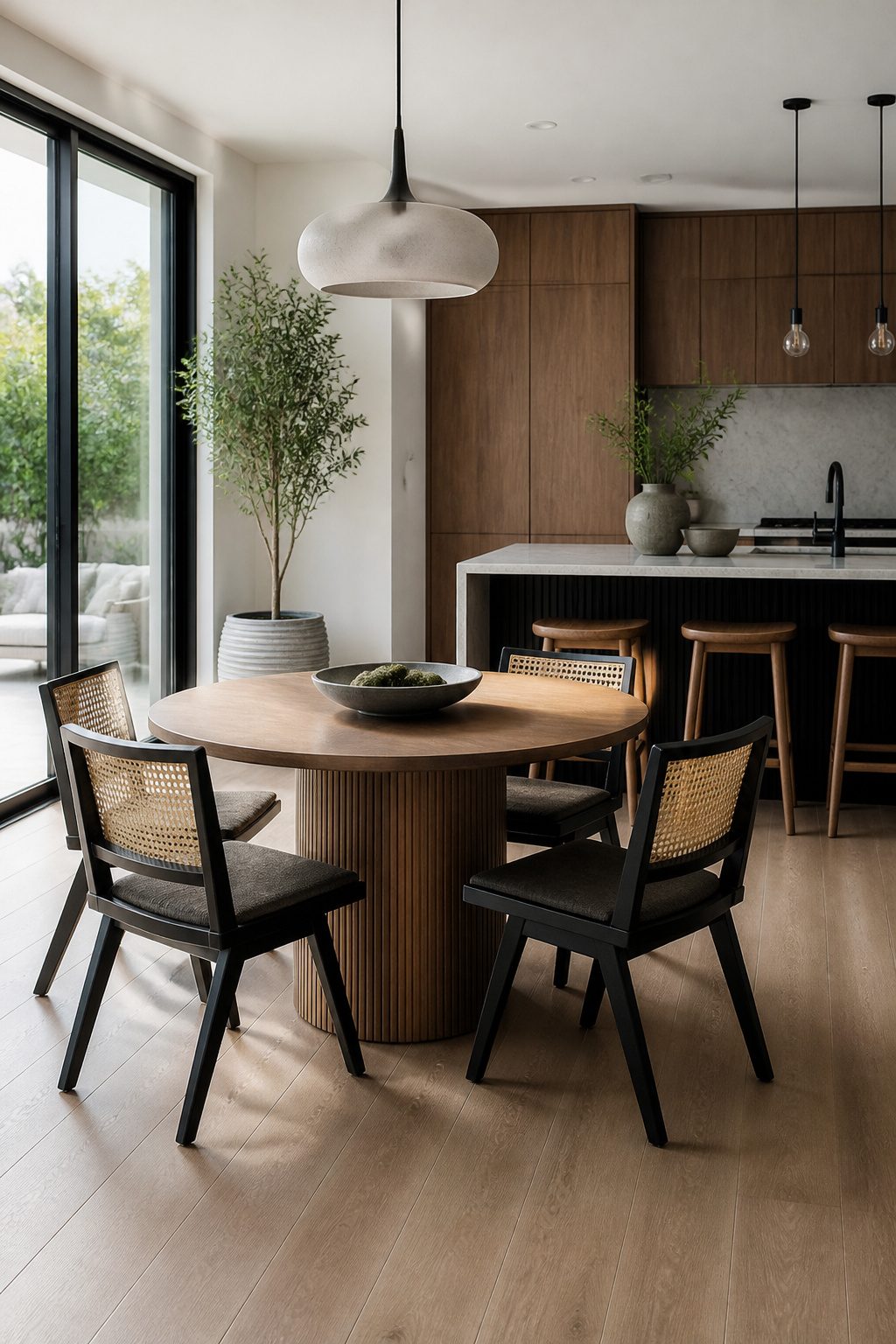
A pedestal base changes how you actually use a table. With one central support instead of four legs at the corners, chairs slide straight in from any angle and no one gets boxed out by a post hitting their knee.
Rotating tabletops take that idea further. Some kitchen islands now incorporate a turntable mechanism, smooth and nearly silent, that lets the same surface face the stove for prep and then swivel toward the living area for meals.
When you push it flush against the main unit afterward, you reclaim the floor space.
The pedestal itself has become the design focus in modern kitchens.
Turned walnut, sculpted oak, and steam-bent ash bases read as furniture, not afterthoughts, and they pair especially well with oval tables for six or eight where the rounded shape already softens the room.
Metal pedestals in architectural shapes work the same way, though I find wood holds warmth better in a kitchen you use daily.
What you give up is stability. A single leg needs enough mass at the foot to keep a loaded table from tipping, so pedestal tables run heavier than they look.
For renters who might move every few years, that weight matters when you are clearing the room to paint.
Recommended Products

[Large Dining Table] This long wooden dining table is perfect for seating 6 to 8 people, making it an ideal choice for family gatherings.This kitchen table measures 70.87 in L x 35.4 in W x 30 in H, and the thickest part of the tabletop is 3.1 in. It is made of MDF wood with a dust-proof and waterproof surface, providing your family with a pleasant dining experience!

Dining Table for 6-8 People: With impressive dimensions of 70.9" W x 31.5" D x 30" H, this striking dining table sets the ideal stage for gatherings of 6-8 people, Generously sized tabletop offers ample dining space, perfect for family meals, entertaining guests, or everyday use (Chairs not included).Possessing an inviting vibe, it fosters rich conversations and savory dining experiences.

Rustic-Chic Design: This square dining table is inspired by industrial aesthetics, combining vintage brown wood panels with a black metal frame. This timeless piece blends seamlessly with a variety of interior themes, from modern to rustic, making it an ideal centerpiece for any room.
Space Optimization for Every Layout
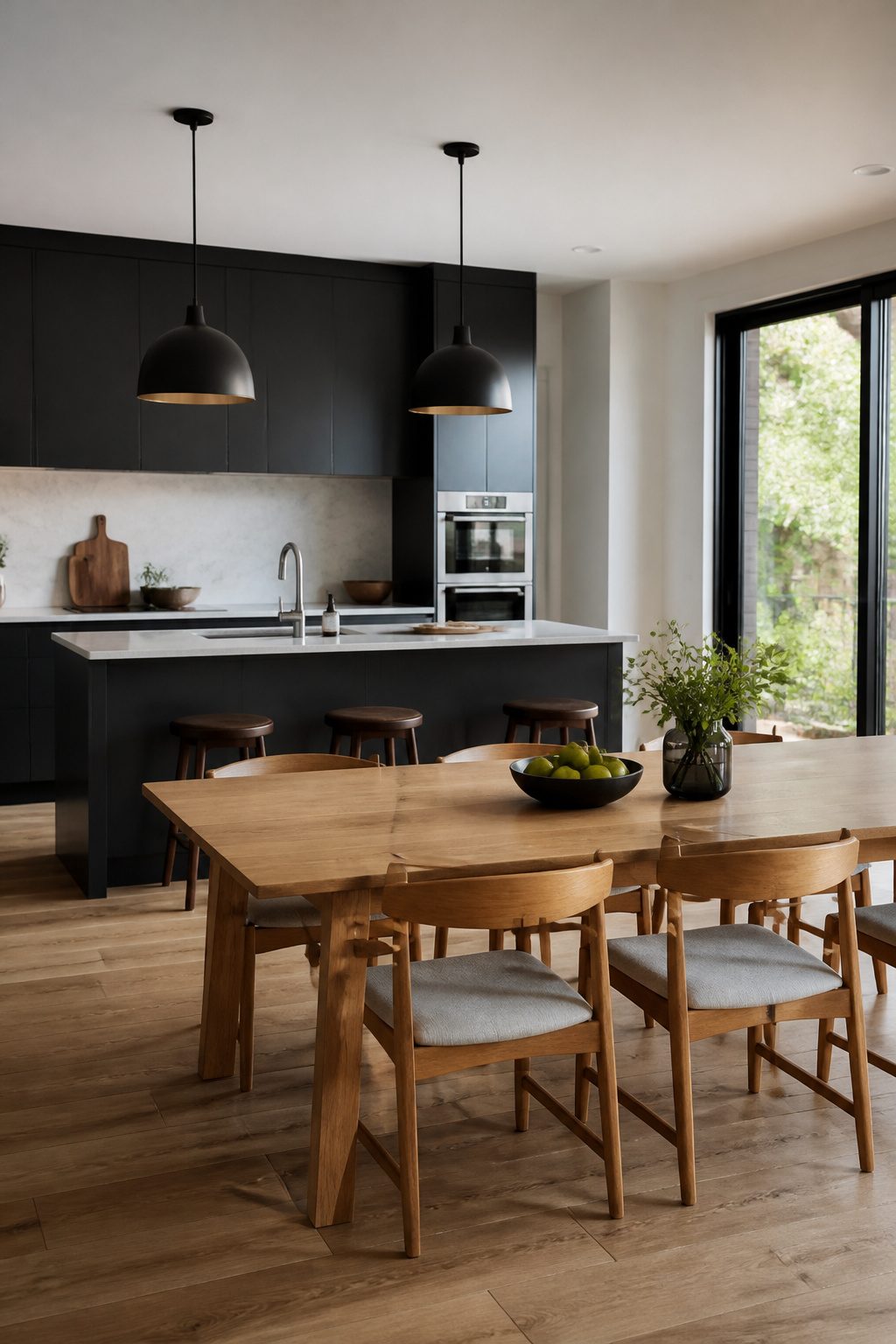
Multi-functional furniture is where a tight kitchen actually gains ground on a larger one.
A high table fixed directly to the countertop or wall functions as a peninsula with high chairs, giving you a surface for morning coffee, laptop work, or a quick lunch without demanding the footprint of a traditional dining table.
The same logic applies to a stepped island with a lowered dining section; stools tuck under a worktop overhang when they are not in use, and the whole zone returns to prep space.
Mobile tables fill the gap when even a fixed peninsula is too much commitment. You roll them out for dinner, park them against a wall for the week, and adapt the room to whatever the moment needs.
Built-in banquette seating wraps around two sides of a table and trades the circulation space that freestanding chairs require for storage hidden under lift-up seats.
The 70 cm minimum clearance rule is the figure that keeps a kitchen passable.
That is the narrowest comfortable channel between a table edge and a counter or wall; any tighter and two people cannot work back to back, a seated diner cannot push back without trapping someone at the stove, and a dishwasher swing clips the chair.
Measure it before you buy anything. Walk the space with a tape measure, mark 70 cm on the floor with masking tape, and live with that line for a day.
If the traffic jams at your usual cooking hour, the table you are considering is already too large. Consider bar-height seating at an overhang instead; it eats less floor depth because stools slide in rather than claiming space behind them.
Recommended Products

[Stylish Art-Deco Inspired Appearance] The kithcne island from Gyfimoie boasting distinctive arched embossed cabinet doors paired with a sleek lmation faux marble top with natural white veining. This kitchen table with sophisticated modern design elevates your space, perfectly complementing contemporary, minimalist, urban and transitional home decor to become a standout focal point in your open kitchen.
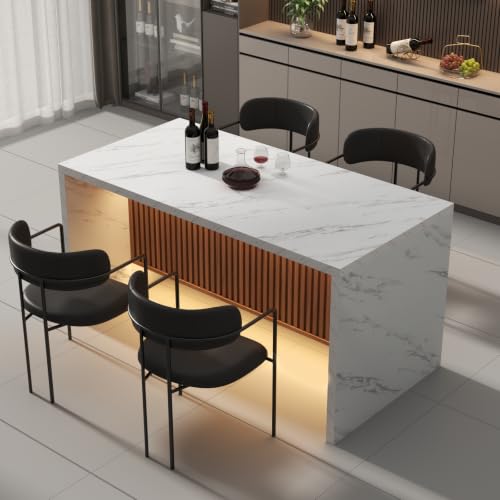
Large Imitation Marble Dining Table for 4-6 People, Island Table with LED Lights, Modern Marble Stripes Kitchen Dining Table with Grille design for Dining Room, Office, Living Room

Ample Storage & Organization – This stationary 63 x 32 inch kitchen island with storage features spacious cabinets and open shelves to keep cookware, utensils, and pantry items neatly organized and easily accessible.
Materials and Finishes That Hold Up
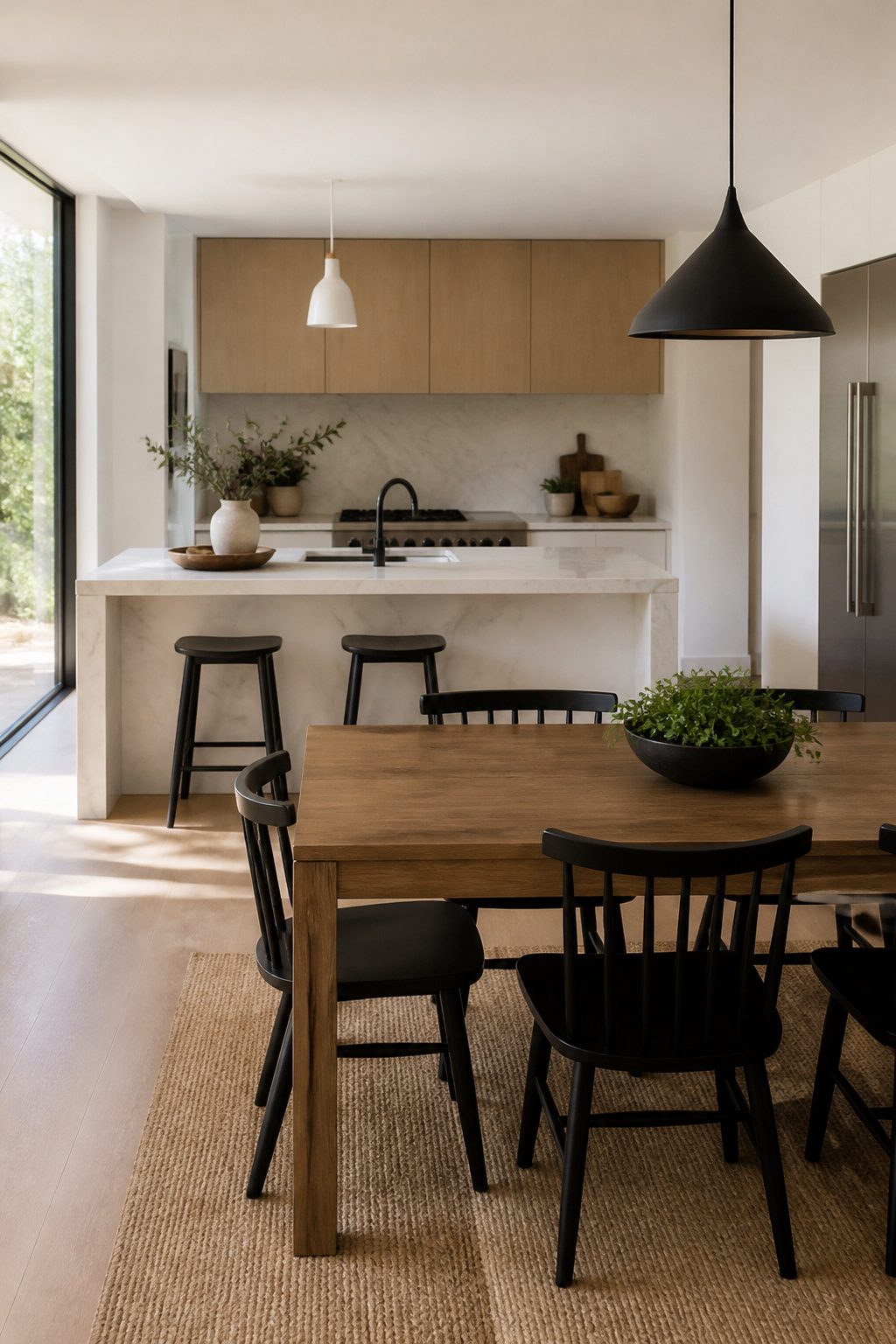
Wood, marble, and metal each tell a different story against modern kitchen cabinetry, and the difference shows up fast under daily use.
A dark wood dining table beside light hardwood cabinetry adds the kind of textural contrast that photographs well, but the finish matters more than the species.
I have watched oak and walnut tops survive years of morning coffee and homework sessions when they carry a hard-wearing oil or polyurethane coat; soft finishes or raw wood start showing water rings inside a month.
Marble reads as the luxury choice, and carrying the same stone from island to table unifies the space. Calacatta or Nero Marquina on a dining surface looks deliberate, but honed marble in particular stains with anything acidic.
Polished marble buys you a little more time before etching shows. If your kitchen already runs white with gold hardware, a marble-topped table continues that language rather than competing with it.
Metal finishes, especially that silver-toned surface on a dark table base, stand up to abuse better than either wood or stone.
What you give up is warmth and quiet: metal reads cold in a room full of hard surfaces, and plates land with a clatter that wood absorbs.
In a high-contrast kitchen with dark flooring and white cabinetry, a metal table becomes one hard edge too many unless you soften it with upholstered seating.
Glass surfaces, like that curved island tier and matching table, solve the durability problem entirely but demand discipline.
Every fingerprint shows, and the visual weight disappears in a way that can make a large kitchen feel unfinished rather than open. I would take dark wood with a marine-grade finish over glass for anyone actually eating breakfast before work.
Design Styles from Contemporary to Industrial
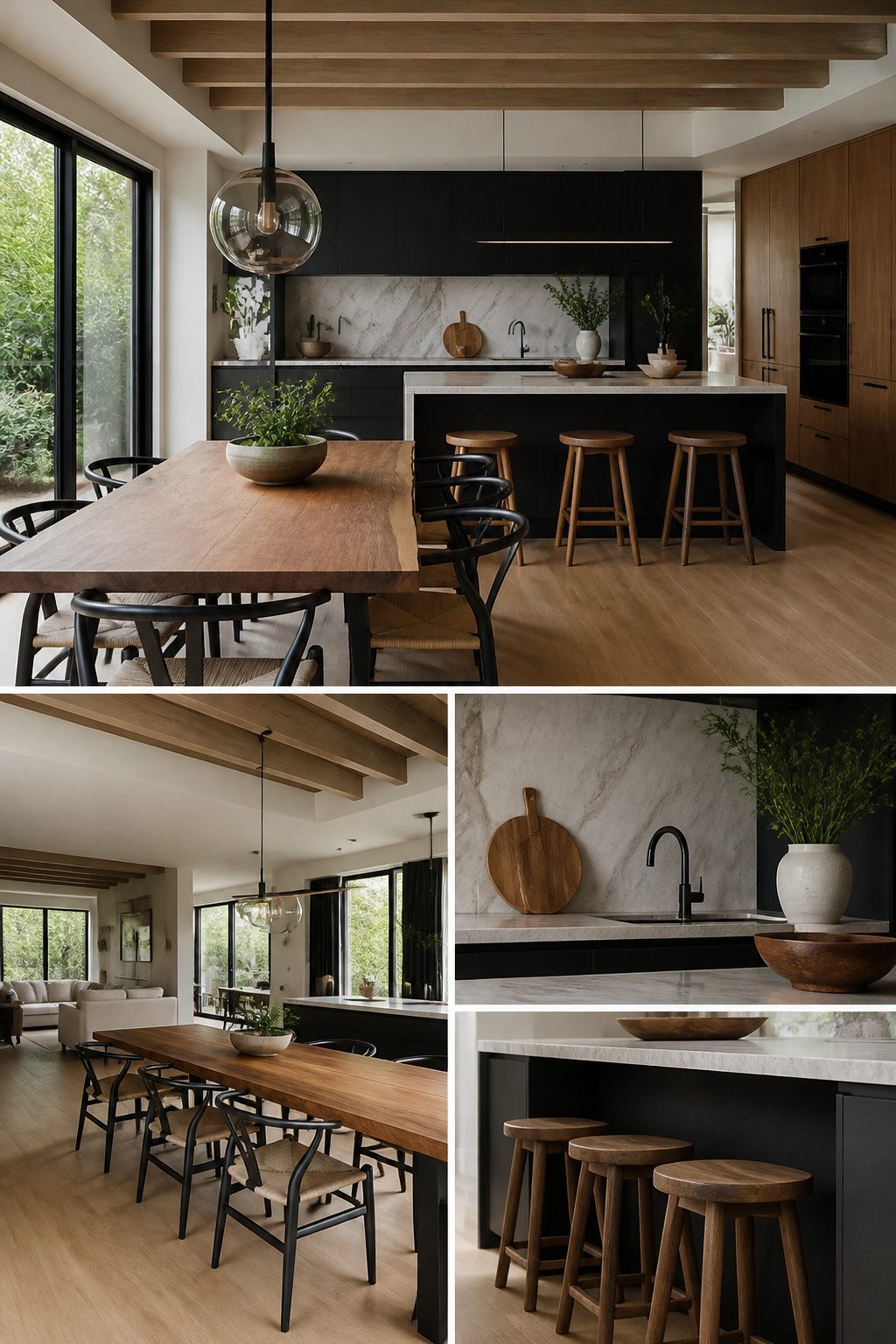
A modern kitchen with dining table only works when the table’s materials and silhouette match the kitchen’s existing language. The nine table types map to three common modern aesthetics like this:
- Clean contemporary favors thin profiles and quiet materials: a white lacquer pedestal table, a glass-top table on brushed stainless legs, or a walnut slab with a thin, knife-edge top. Visual lightness matters; bulky bases or thick aprons fight the flat-panel cabinets and handle-less drawers already in the room.
- Warm rustic needs tables that read as found or lived-in: reclaimed pine trestles, oak tables with visible joinery, or a live-edge walnut piece on a simple metal base. The silhouette can be heavier because it echoes the weight of shaker cabinets, open shelving, and matte black hardware.
- Raw industrial wants steel, concrete, and factory references: a galvanized metal top on cast-iron machine legs, a concrete slab with a welded steel frame, or a butcher-block surface bolted to pipe fittings. The table should look like it could have come from a workshop floor; polished or precious finishes read as out of place here.
- Where a kitchen mixes two styles, pick the table material from the dominant one and its silhouette from the secondary. A contemporary kitchen with rustic touches carries a thin oak top better than a thick one; an industrial space with warm accents softens with a steel table that has rounded corners rather than sharp ones.
- The mistake that costs a weekend: bringing home a table whose base competes with the cabinet hardware. A sculptural pedestal in a kitchen full of linear bar pulls creates the same visual noise as clashing metals; match the geometry, not just the finish.
Frequently Asked Questions
What are the best kitchen table ideas for a modern space?
The best ideas include mobile tables on locking casters, built-in banquettes with lift-up storage seats, and extending tables with butterfly leaves that store inside the apron.
A 36-inch counter-height table or island also works well, since it lines up flush with kitchen counters and reads as one continuous plane.
Pick the option that matches how you actually use the room: daily meals for two, or frequent dinners for six.
How can I optimize space in a small kitchen with a dining table?
Use wall-mounted or foldable tables with pneumatic assists that disappear flat against the wall when not in use, or choose a mobile table you can roll against a wall between meals.
Built-in banquette seating along two walls eliminates the floor space that freestanding chairs need and hides storage underneath.
Keep 70 cm (about 27.5 inches) as the minimum clearance between any table edge and a counter or wall; mark it with tape and test it through a full day of cooking before you buy.
What materials work best for a modern kitchen dining table?
Wood, marble, and metal each suit different modern kitchens.
Dark wood with a hard-wearing oil or polyurethane coat handles daily use and adds textural contrast against light cabinetry. Marble, especially honed Calacatta or polished Nero Marquina, carries luxury language from island to table but stains with acids.
Metal stands up to abuse better than either but reads cold and noisy unless you soften it with upholstered seating. Glass solves durability problems entirely yet shows every fingerprint and can make a large kitchen feel unfinished.