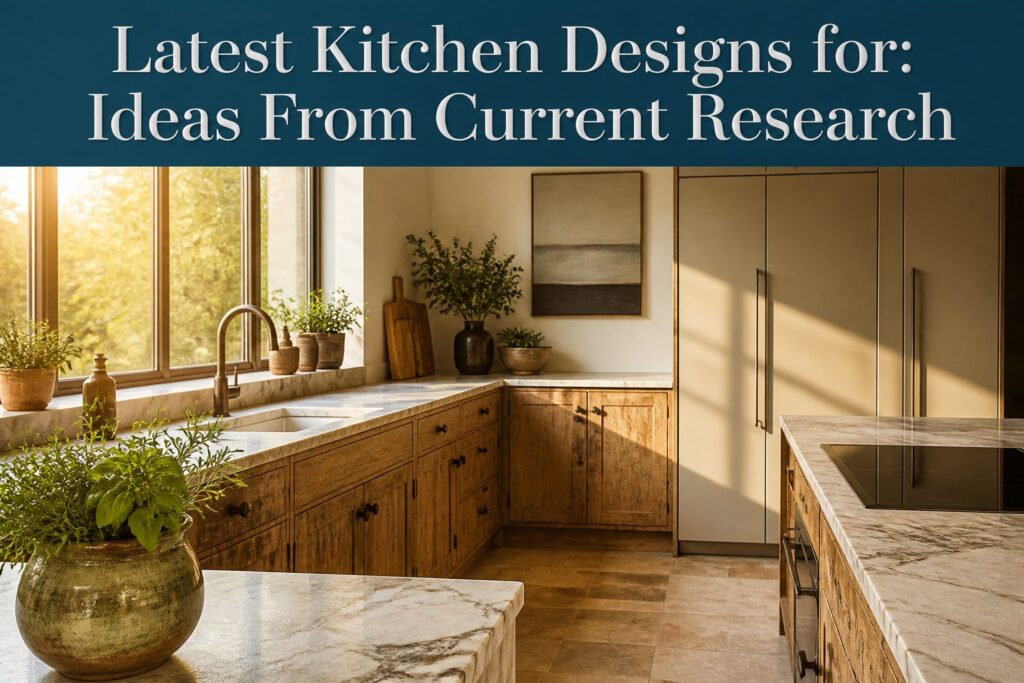
The kitchens worth building in 2026 sit at opposite ends of the same spectrum: warm natural materials against concealed, flush-faced minimalism, and the right choice depends on whether you cook most nights or gather there instead.
What trips people up is assuming the all-white kitchen still anchors both directions; it has not, and the mixed-material kitchens that replaced it need more planning than a cabinet repaint.
A 30-inch induction cooktop now drops into the same opening as the coil stove it replaces, which matters because that swap alone cuts both energy bills and evening rush.
The real test is honest: how many nights a week do you actually stand at that counter?
1. Nature-Inspired Color Palettes and Natural Materials
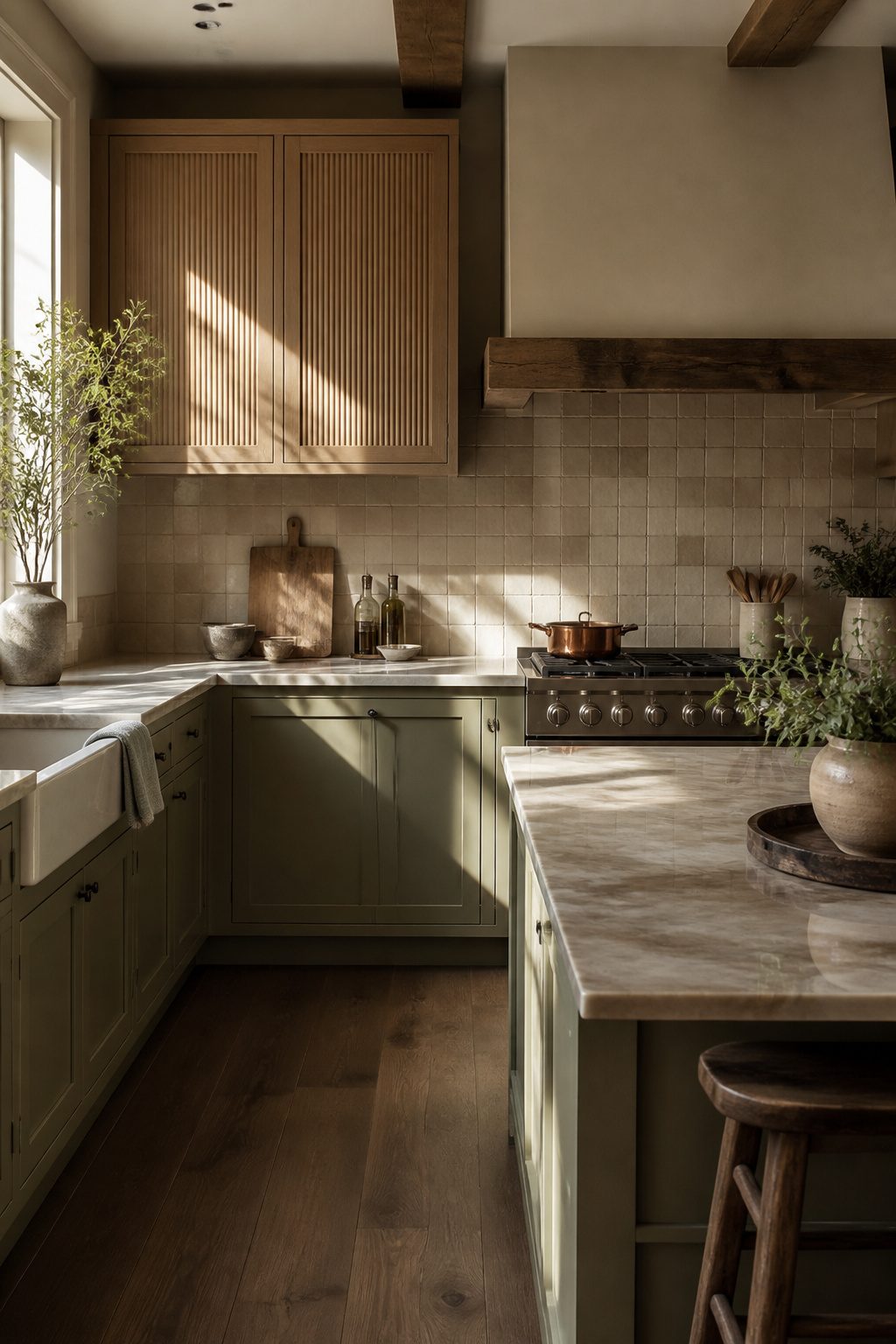
The all-white kitchen is finally losing its grip. In 2026, the shift is toward warm neutrals, rich wood tones, and soft greens that feel borrowed from the landscape outside rather than locked in a showroom.
White oak cabinets with fluted finishes are showing up everywhere, and they read warmer than the flat painted slabs that dominated the last decade.
Clay tile backsplashes add the kind of irregular texture you actually want to touch. Painted cabinets in sage, terracotta, and mushroom are replacing the sterile base coat with something that ages better and forgives splatter.
Natural materials are doing the heavy lifting now.
Reclaimed wood accents, marble countertops, and stone slab backsplashes bring in organic texture without the fuss of keeping every surface pristine. Wood tones mixed with stone and clay tile feel grounded in a way all-white never quite managed.
White cabinets have not disappeared entirely, but they are almost always paired with natural materials or bolder color blocks to create depth.
The mixed-material approach, one cabinet finish against another texture entirely, is what separates a kitchen that photographs well from one that actually feels good to cook in.
Recommended Products

1. Fluted Design with Walnut Warmth Inspired by timeless architectural textures, this fluted sideboard cabinet features elegant vertical ridges and a rich walnut wood grain finish. Adds mid-century sophistication to any dining room, living space, or office credenza setup.

[ Elegant Fluted Design for Modern Homes ] - Crafted with exquisite fluted detailing and a sleek, handle-free profile, Sicotas sideboard buffet cabinet with storage blends mid century modern and contemporary aesthetics, making it a perfect accent storage cabinet for living room, kitchen, hallway, or dining room.

Modern Fluted Tambour Door Design: This cabinet storage sideboard buffet features elegant tambour sliding doors with a vertical fluted texture that adds dimension and style to your interior. The doors glide smoothly along built-in tracks, allowing easy access to stored items while maintaining a clean appearance. It works perfectly as a coffee console bar table or accent credenza stand in modern or farmhouse interiors.
2. Smart Kitchens With Energy-Efficient Appliances
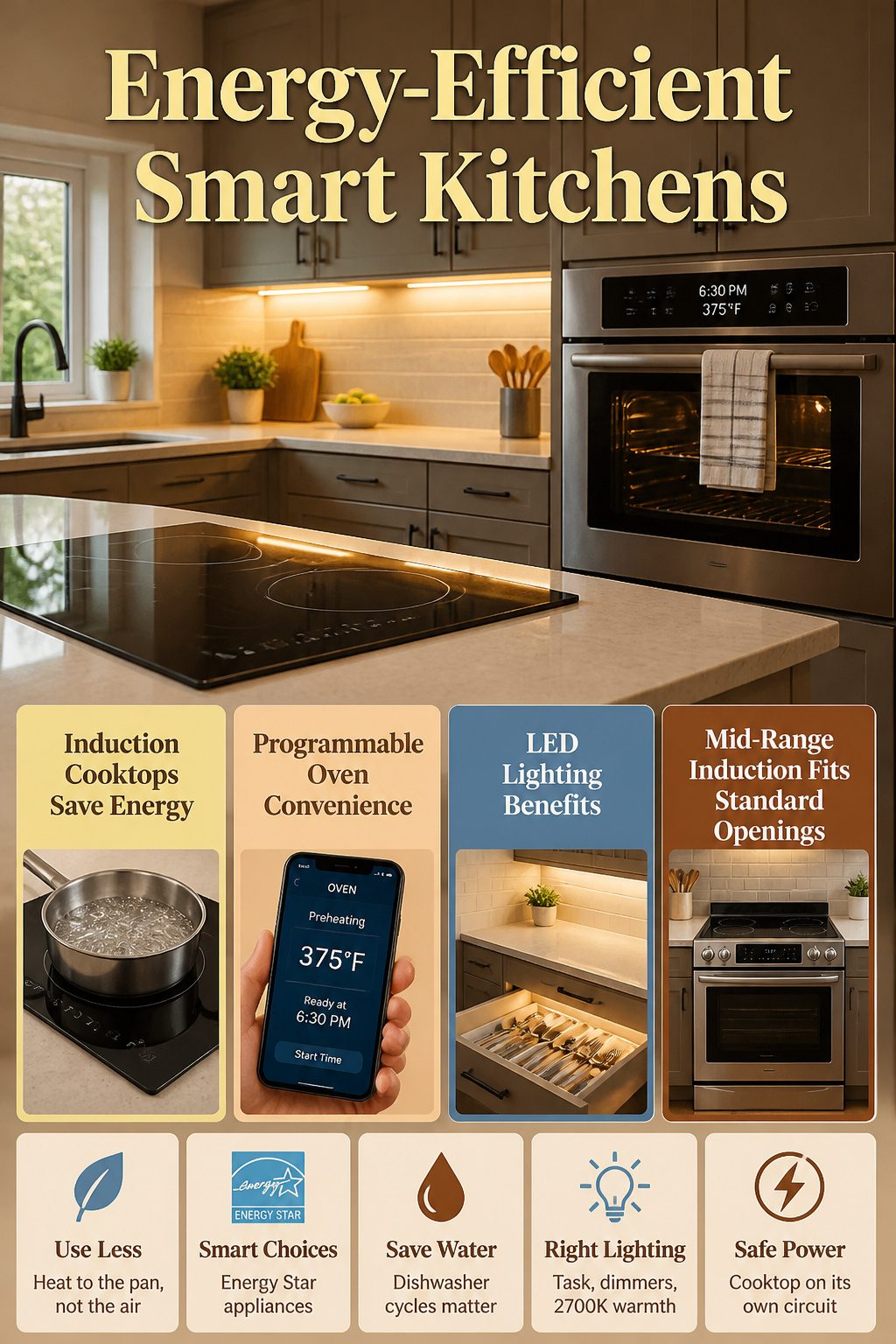
Induction cooktops have moved from niche to mainstream in the latest kitchen designs, and the shift makes sense once you use one.
Heat arrives at the pan, not the air around it, which means water boils faster and the kitchen stays cooler while you work.
Pair that with a programmable oven that starts preheating from your phone on the drive home, and the evening meal loses its rush-hour stress.
LED lighting under cabinets and inside drawers rounds out the practical gains.
The fixtures draw a fraction of what incandescents used, and the color temperature options matter more than most people notice; a 2700K bulb flatters food and faces alike at the island where someone eats breakfast.
For the appliances themselves, the Energy Star label still signals what to look for, though I would add that water-saving dishwasher cycles matter as much as the electricity draw if your utility bills split the two.
The real win is zoning: task lighting where you chop, dimmers where you linger, and the cooktop on its own circuit so the breaker does not trip when the oven and microwave run together.
These are not luxury upgrades anymore. A mid-range induction unit installs in the same 30-inch opening as the old coil stove, and the LED strips cost less than a single pendant over time.
The sustainability follows from the function; you use less because the design wastes less, not because you are counting watts.
Recommended Products


𝗣𝗿𝗲𝗺𝗶𝘂𝗺 𝗠𝗖𝗠 𝗦𝘁𝗼𝗻𝗲 𝗧𝗶𝗹𝗲 - Each tile measures 3" x 11.8", and each box contains 40 pieces, covering approximately 9.6 sq ft. Made from MCM (Modified Clay Material) and natural minerals, these eco-friendly peel and stick tiles are formaldehyde-free, Class A fire-rated, heat-resistant, and color fadeless. Durable with high impact resistance for long-lasting performance.

𝗣𝗿𝗲𝗺𝗶𝘂𝗺 𝗠𝗖𝗠 𝗦𝘁𝗼𝗻𝗲 𝗧𝗶𝗹𝗲 - Each tile measures 3" x 11.8", and each box contains 40 pieces, covering approximately 9.6 sq ft. Made from MCM (Modified Clay Material) and natural minerals, these eco-friendly peel and stick tiles are formaldehyde-free, Class A fire-rated, heat-resistant, and color fadeless. Durable with high impact resistance for long-lasting performance.
3. Bold Colors and Colorful Cabinetry
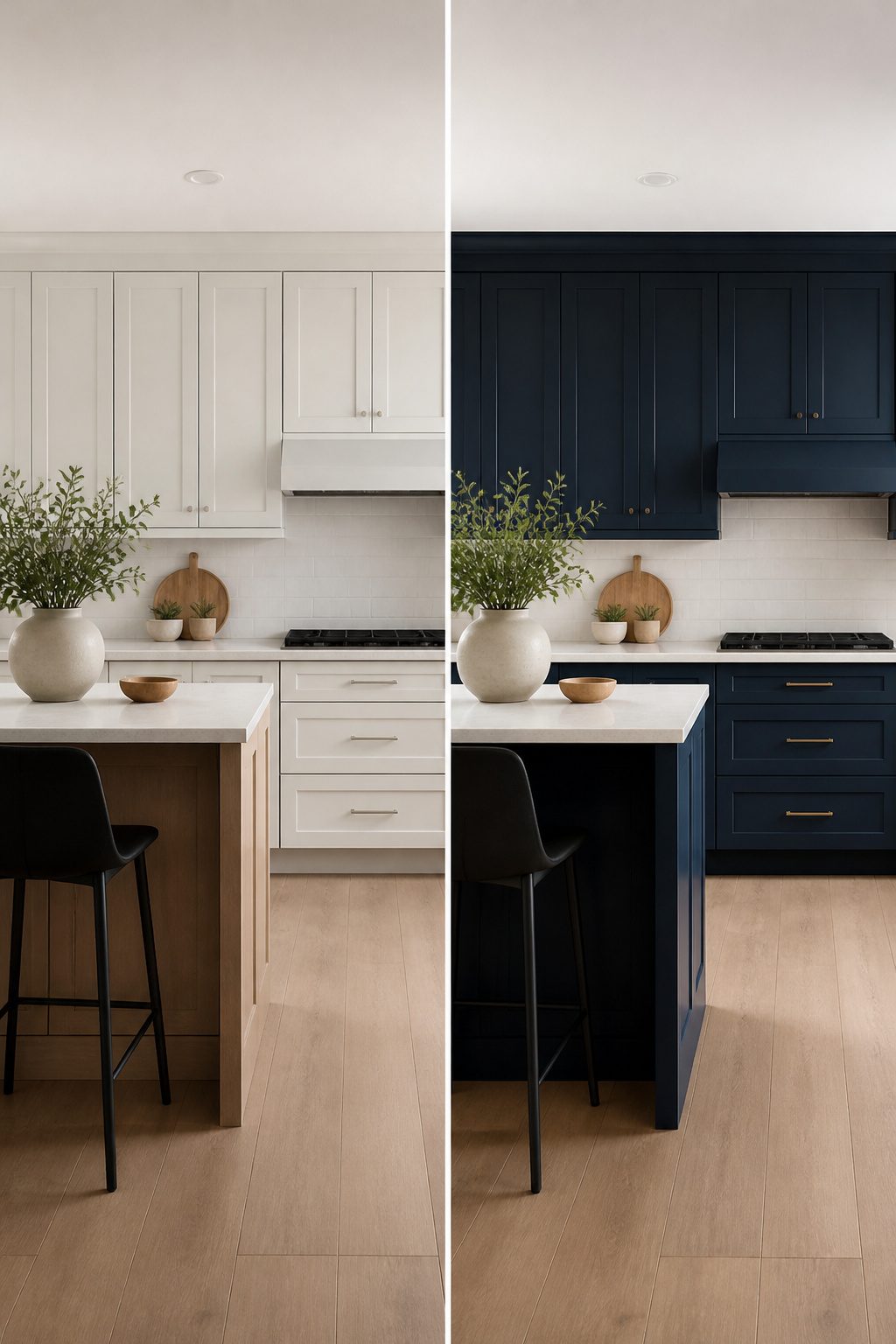
Kitchen colors trending in 2026 are warm neutrals, bold colors like navy and emerald, and natural finishes like wood grain.
These three directions give you a clear way to build contrast and personality without turning the room into a statement piece you tire of in two years.
Deep blues and greens are the ones I watch most closely right now. Navy and emerald in particular are moving from accent walls onto cabinetry itself, which changes how you handle the rest of the room.
I would pair bold cabinets with a quieter countertop and backsplash so the color has space to read as intentional rather than loud.
Shaker cabinets remain a favorite for clean lines and versatility, and that subtle profile still works across traditional and modern kitchens.
Flat panel cabinets are rising, though, especially in open-concept layouts where their minimalist face creates visual calm. Shaker wins if you might sell in five years; flat panel wins if you want the kitchen to read as current right now.
Recommended Products
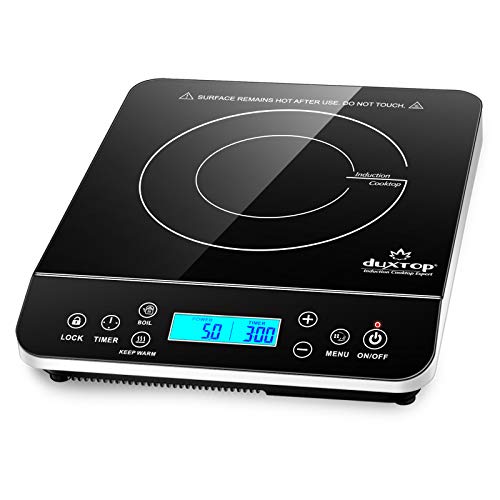
PORTABLE INDUCTION BURNER: Duxtop induction cooktop uses 110/120 V 15 amp electrical outlet–standard in all North American homes. ETL listed and built to North American electrical standards. It is lightweight and compact for easy handling and storage
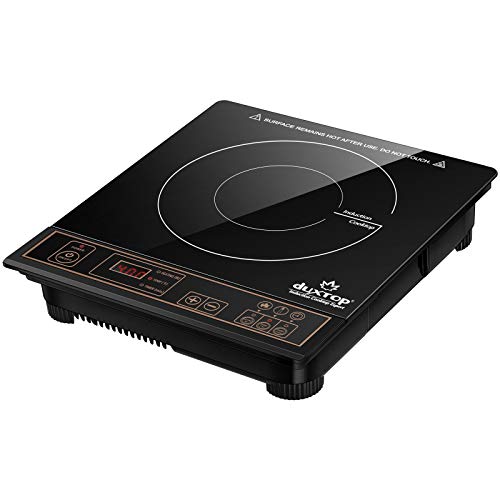
Duxtop Induction Cooktop uses 120 volts, 15 amps of electricity – standard in all homes; Lightweight and compact for easy handling and storage

ENHANCED PRECISION TEMPERATURE CONTROL – Master your cooking with 91 precise temperature settings from 100°F to 500°F in 5° increments. You can effortlessly keep delicate sauces warm at 100°F or grill a perfectly seared steak at 500°F.
4. Multi-Functional Kitchen Islands
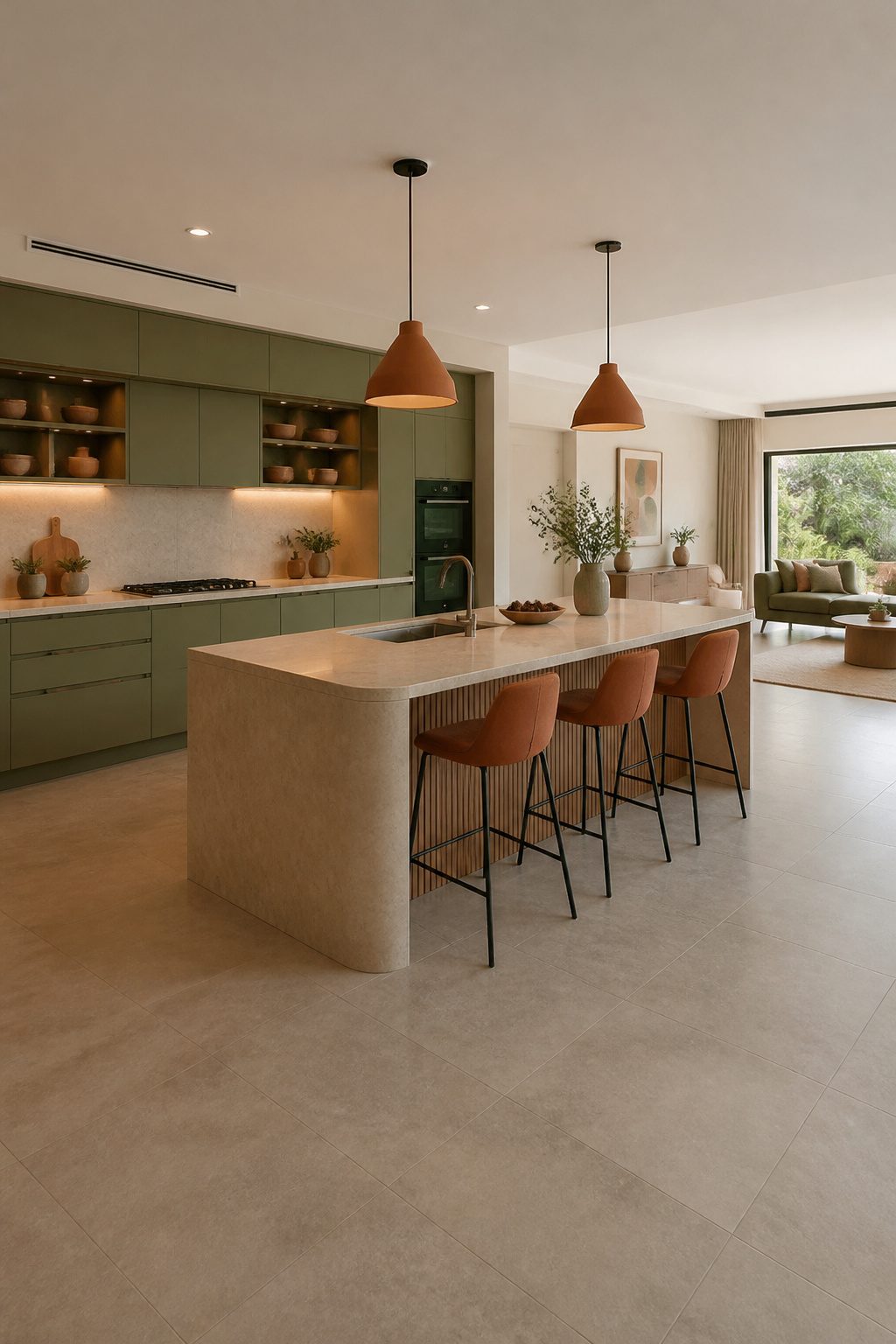
The kitchen island has become the single piece that determines whether a kitchen works for real life or just looks good in a photo.
In the latest kitchen designs, it is doing triple duty as a prep station, a casual dining spot, and the place where everyone ends up standing anyway.
What makes this shift practical is storage that finally matches how people actually cook.
Appliance garages keep the toaster and stand mixer out of sight but within reach, and pull-out shelves mean you are not crawling into a cabinet to find the lid that matches the pot.
Built-in seating on one side turns the same surface into a breakfast bar without a separate table eating up floor space.
Some islands now include a second sink or a cooktop, which lets two people work without bumping elbows.
Others wrap the base in fluted wood or run a waterfall countertop to the floor, trading some storage for a look that anchors the whole room.
Every feature you add to an island eats space that could have been drawers.
My preference is to maximize pull-out storage first, then add seating, and only then consider extras like a beverage fridge. An island that stores nothing is just a table, and most kitchens already have one of those.
Recommended Products
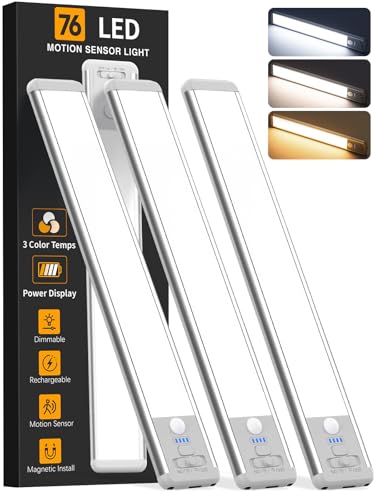
Motion Sensor Light Indoor: When the motion activated under cabinet light detects human movement within the range of 10ft/120°, it will automatically light up and turn off about 20S after no movement is detected. Moreover, cabinet lights are set to two sensing modes for day and night, allowing you to select for different usage scenarios.

Upgraded Premium Functionality: Built-in 84 super bright LEDs, the Gritin under cabinet light is crafted with aluminum alloy and durable ABS plastic for ultimate strength and style. Setting the under cabinet lights on motion sensor mode, it features a 120° wide sensing angle and a 3M/10FT detection distance, automatically turning off after 20 seconds of no motion detected, ensuring you never fumble for switches.
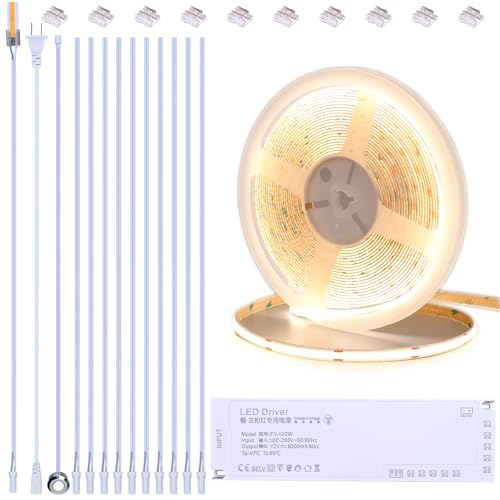
【High DIY】 Come with 1 roll of 32.8ft/10m COB LED strip lights for kitchen under cabinet, 10 pcs solderless connectors and 10 pcs 6.56ft/2m connecting wires, the strip lights can be cut every 0.975in/2.5cm, according to your actual need to cut into various lengths, then use the solderless connectors to connect the strip lights connecting wires with the strip lights and plug into the power supply to use.
5. Larger Walk-In Pantries
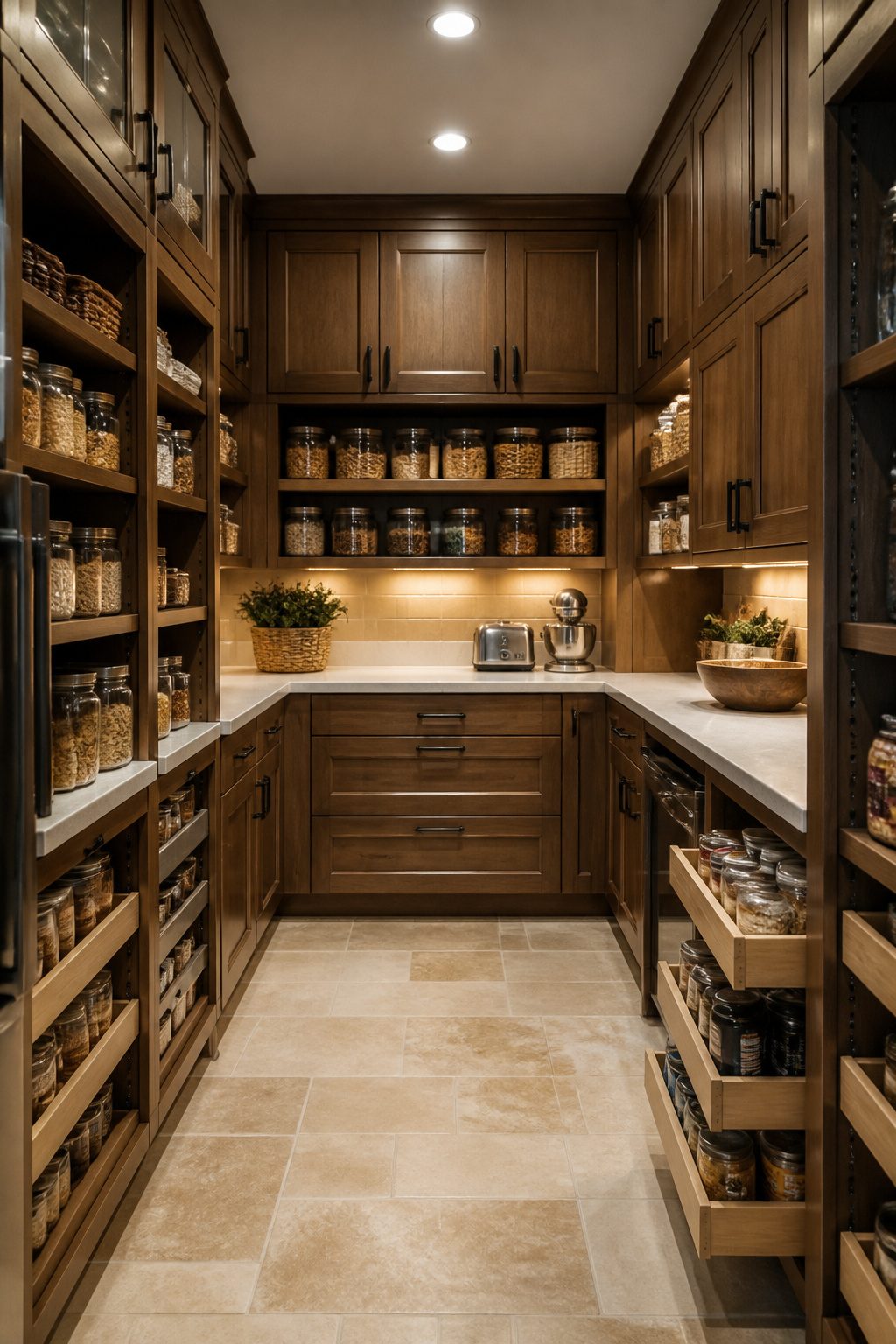
Walk-in pantries have outgrown their single job of storing dry goods. The latest kitchen designs treat them as fully functional prep spaces, complete with small appliances, secondary sinks, and beverage centers that keep the main kitchen free of clutter.
Built-in shelving at countertop height turns the back wall into a staging area, not just a stack of cans.
What makes this work is the storage around it. Custom cabinetry with pull-out shelves, roll-out trays, and hidden spice drawers pulls every item into view so nothing gets buried.
Toe-kick storage and appliance garages swallow the tools you do not need daily. Upper cabinets still matter here, especially in tighter footprints, because they claim vertical space that open shelving wastes.
You gain counter space and lose clutter. A pantry that handles prep keeps mess out of sight, adds real storage, and raises the home’s value without expanding the kitchen’s footprint.
For a weekend project on a few hundred dollars, retrofitting pull-out hardware into an existing closet gets most of the function. Full custom cabinetry costs more but earns it back in daily use.
Recommended Products

Unique Fluted Style: Boasting delicate fluted arched doors and light natural wood finish, this mid-century buffet cabinet with storage acts as an eye-catching statement piece and fills your dining area, kitchen or entryway with elegant bohemian vibes

Designed for homeowners who want farmhouse style without sacrificing function — perfect for bathrooms, entryways, laundry rooms, and kitchens. Whether you need to store towels and toiletries in a small bath, organize pet supplies by the back door, or keep kitchen utensils and canned goods tidy, this slim vertical storage cabinet fits into spaces where regular cabinets won‘t.

【Large Storage Space】This buffet cabinet offers significantly more storage space, making it perfect for storing your dining essentials, serving utensils, and decorative items. Its spacious interior provides ample room for organizing and tidying up your dining area or kitchen. Enjoy ample space for dishes, glassware, and more in this larger-than-average buffet cabinet. Overall dimensions: 55"W x 15.2"D x 30.8"H
6. Layered and Ambient Lighting
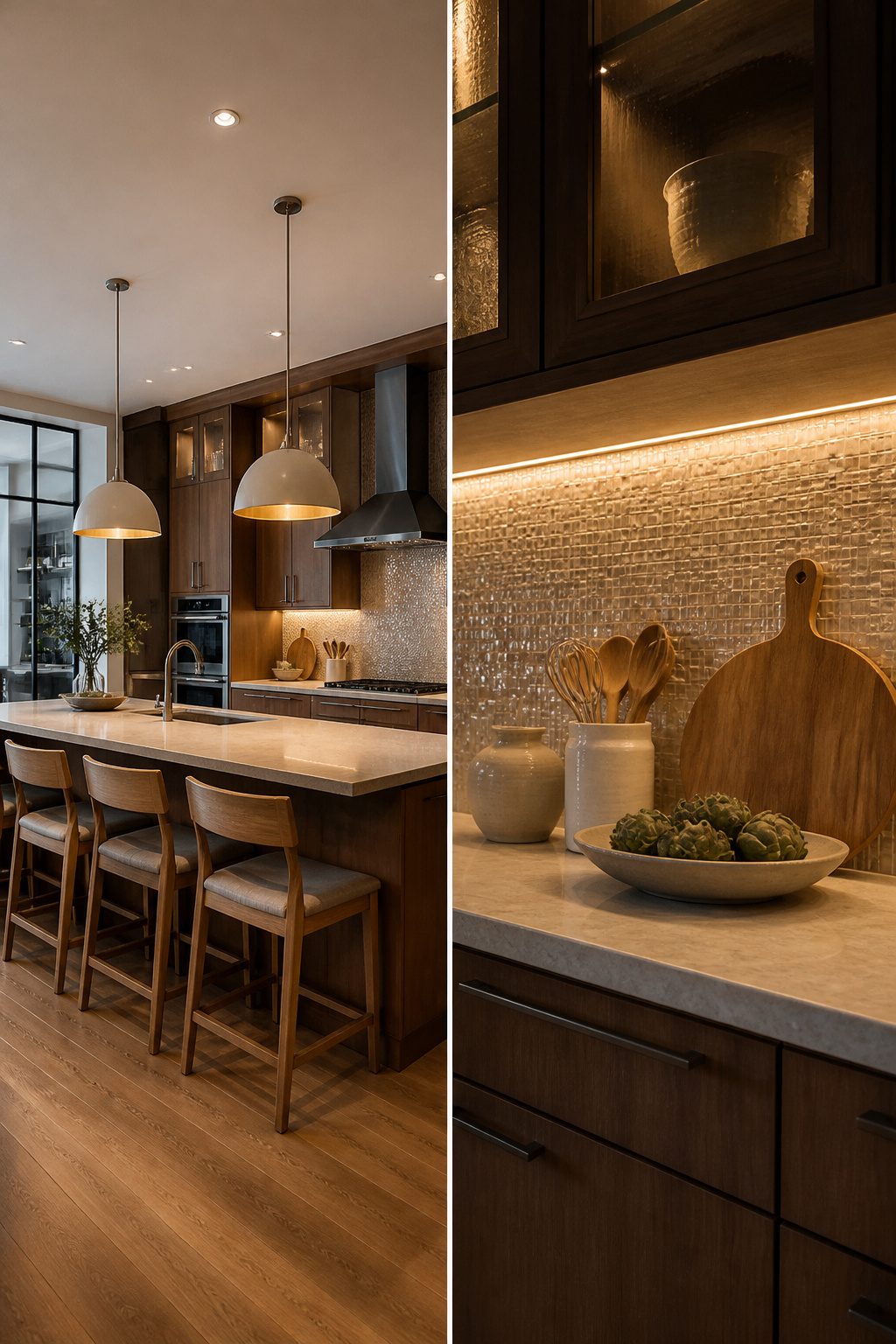
A kitchen lit from a single ceiling fixture reads flat no matter how much you spend on the pendant.
The latest kitchen designs treat light in three layers, and each one earns its place. Ambient lighting handles general visibility, usually recessed cans or a central fixture that washes the whole room without drama.
Task lighting belongs under cabinets where your hands actually work; LEDs here cut energy use while putting light on the cutting board, not your eyes.
Accent lighting does the character work: picture lights above open shelving or a framed print add a gallery note that most kitchens skip entirely.
The backsplash is where the layers get interesting.
Backlit designs using natural stone or detailed tile add ambient light for cooking and a soft glow after dinner. Some setups run color-changing LEDs to shift from bright task light in the morning to warm evening tones.
The energy savings come from running LED strips at all three layers, not just the under-cabinet zone. A backlit backsplash costs more than standard tile, but it replaces a separate fixture and does double duty as accent and ambient light.
For a weekend project on a real budget, start with under-cabinet LEDs and a dimmable main fixture; add the backlit wall when the cabinets and counters are settled enough to know what you are actually highlighting.
Recommended Products

Easy DIY, Just Peel & stick, cut with tin snip, utility knives or hand saws, saving large amount on labor

2-3 Times Thickness: Much thicker than ordinary peel & stick tile, 2mm-2.5mm each, durable and solid tile, unlike soft sticker tiles
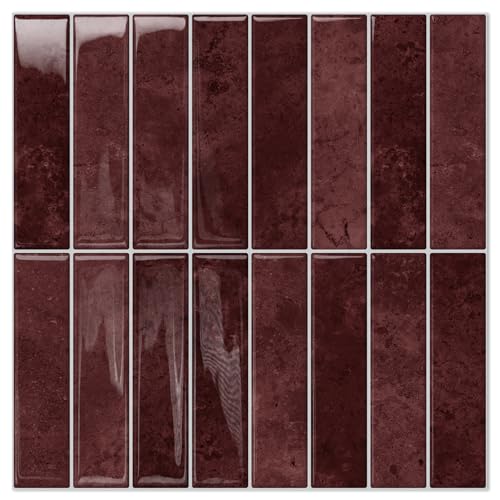
1.4 Times Coverage Area: 10 sheets thickened self-adhesive tiles, 11.8" X 11.8" each (The small piece is 5.8" X 1.6"), which covers 40% more area than 10"x10" tile
7. Textured Walls and Ceilings
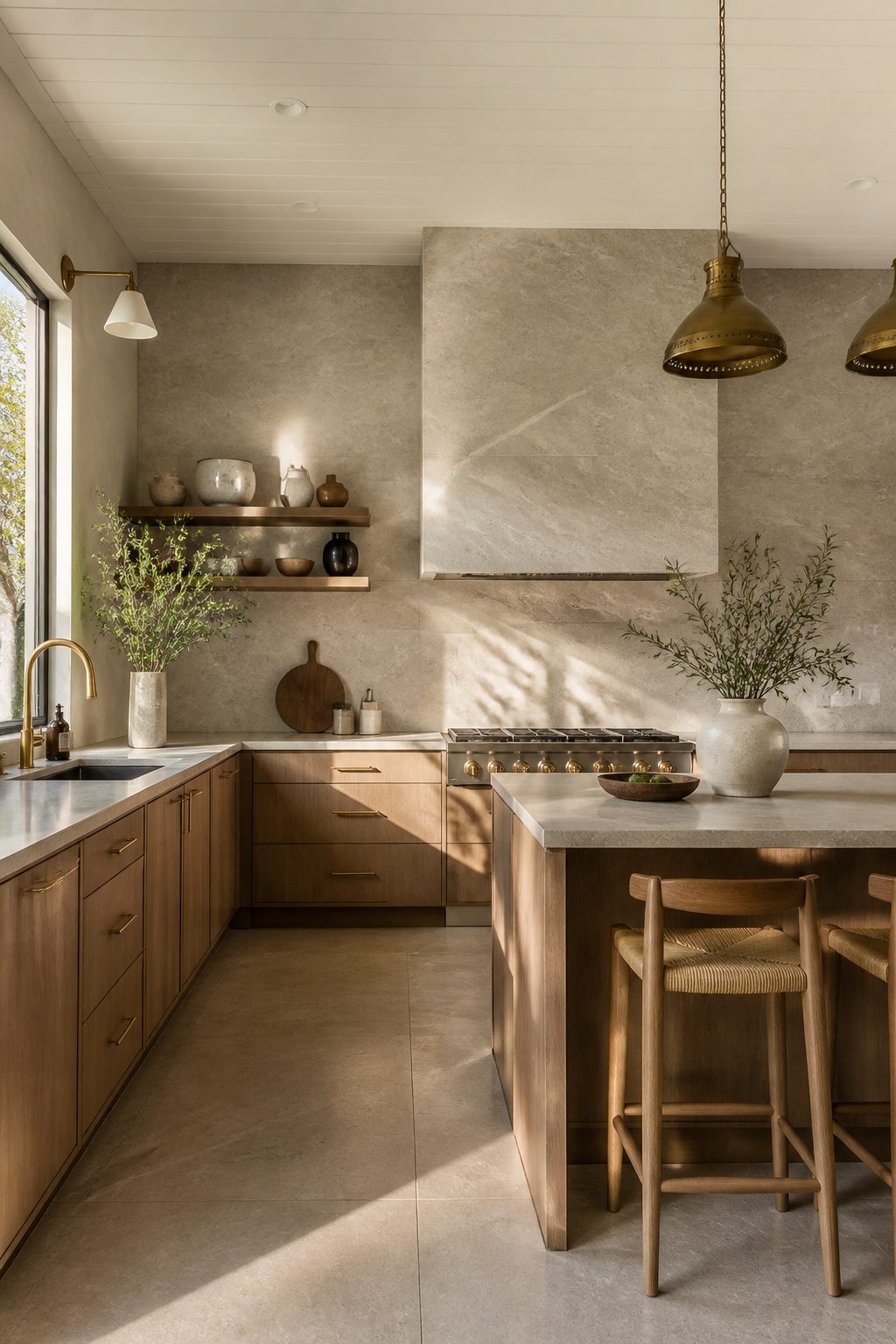
Flat walls are losing ground in the latest kitchen designs. Texture adds depth and character in a way paint alone never quite manages, and the shift is already visible in 2025 builds carrying forward into next year.
Large-format tiles create a smooth, polished look many homeowners want, with fewer grout lines to clean and maintain.
A marble or stone finish on oversized tiles can run floor to backsplash without visual breaks, which makes a kitchen read as larger than the square footage suggests.
That same uninterrupted surface is what pulls texture into modern territory rather than rustic overload.
For a softer direction, textured plaster finishes give a timeless, almost hand-worked quality. Shiplap in a neutral tone reads more intentional than trendy now, and exposed brick still carries an industrial edge when the rest of the kitchen stays clean-lined.
The move is away from sterile, flat planes toward surfaces that catch morning light differently than they did the decade before.
Recommended Products
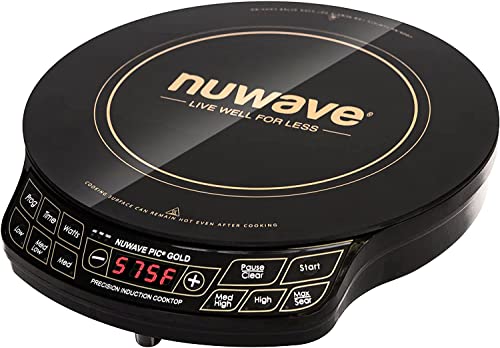
MAKE ADJUSTMENTS ON-THE-FLY – Want hotter temperature or need to cook it longer? No problem. Simply adjust on-the-fly any time. Starting the cooking process over is not necessary. Gold induction cooktop’s intuitive digital controls are easy to operate, and the response is immediate.

9200W High Power & 5-Zone Synchronous Cooking:30 inch induction cooktop with 5 heating zones, each with independent booster for fast heat-up. Cook multiple dishes simultaneously — stir-fry, simmer, boil, sear — for efficient family meals

MAKE ADJUSTMENTS ON-THE-FLY – Want hotter temperature or need to cook it longer? No problem. Simply adjust on-the-fly any time. No need to start over. Pro Chef’s intuitive digital controls are easy to operate, and the response is immediate.
8. Sustainable Materials
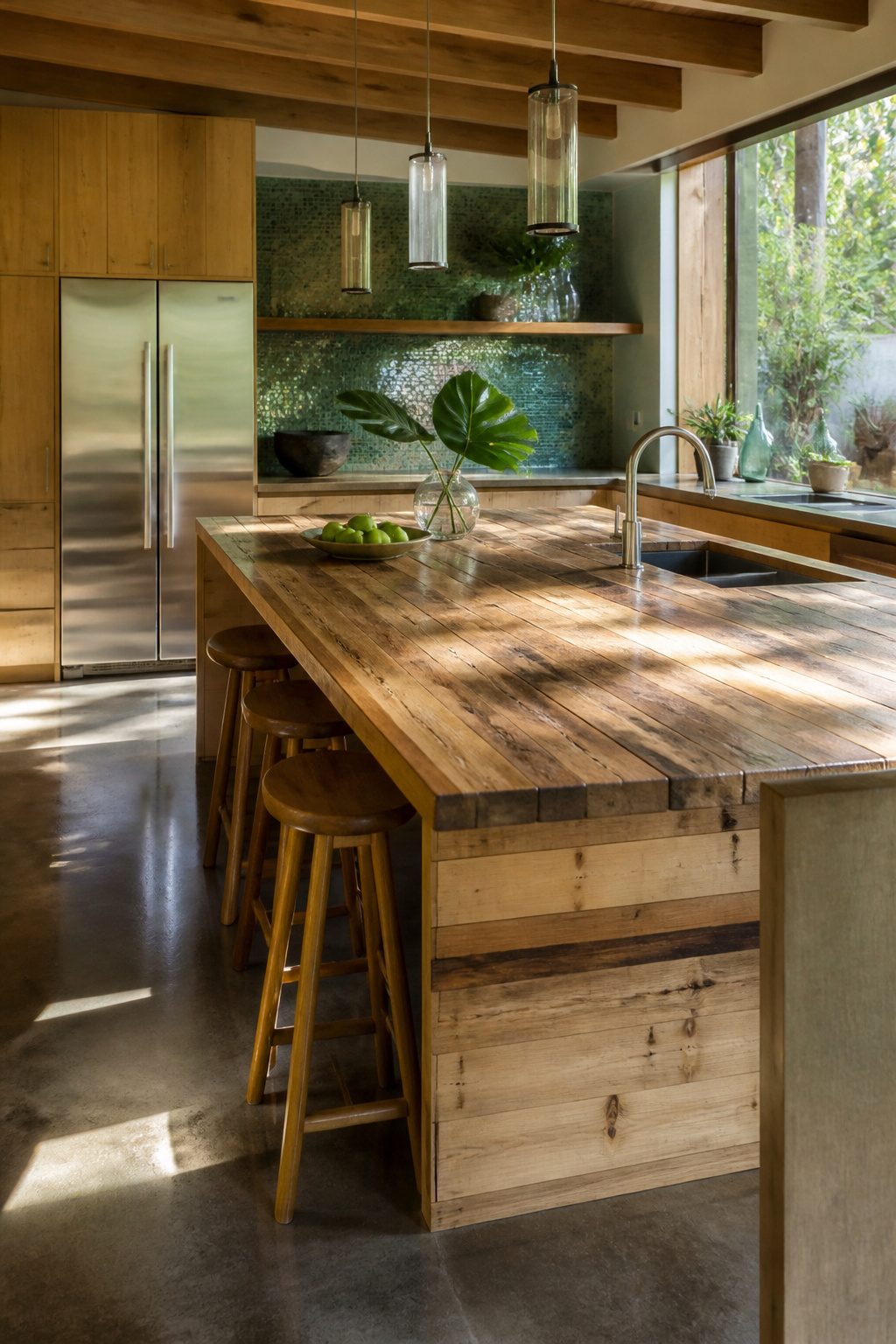
Sustainability keeps showing up in latest kitchen designs because it works without looking forced, but the three materials worth your weekend each come with a catch that decides whether they belong in your space.
Bamboo reads as the easy win: it grows fast, machines like hardwood, and carries the warm tone people are after for 2026.
I would use it for cabinetry or open shelving before I trusted it near a sink, since it still swells if the finish wears thin.
The cost runs lower than white oak, which matters when you are covering twenty linear feet of cabinet boxes, but you will replace it sooner in a house with kids and drippy dishes.
Reclaimed wood gives you the texture that bamboo cannot fake; the nail holes and saw marks are exactly what you are paying for.
It functions best as an accent, a beam header or a floating shelf, because full kitchens of reclaimed material cost more than most first-home budgets allow and the supply is unpredictable.
The durability is real, often old-growth timber, yet the inconsistency means you spend hours culling boards before installation.
Recycled glass surfaces, usually countertops or backsplashes, solve the problem of wanting color without the maintenance of grout lines.
The material is nonporous, which beats natural stone for cleanup, but the manufacturing still carries energy costs that blunt the green claim.
I would choose it for a small prep area or a backsplash where the light catches it, not for the whole kitchen.
The choice comes down to where you can live with imperfection: bamboo on price, reclaimed wood on character, recycled glass on ease of cleaning.
Recommended Products
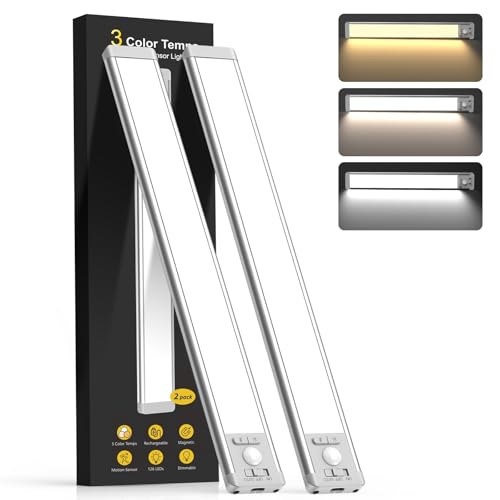
Upgraded Motion Sensor Under Cabinet Lights: Setting the under cabinet lights on motion sensor mode, they auto-on when human motion is detected within 120°and 10ft in a dark or low light environment, and auto-off after about 20 seconds of no motion detected. No longer have to worry about tripping on the step in the dark trying to turn on the switch

Smart Motion Sensing and 3 Versatile Modes: The under cabinet lighting features three intelligent modes—Always On, Off, and Night Motion Sensor. Our under cabinet lights use advanced PIR technology to detect movement within 10ft/120°. Setting it on Auto mode, in darkness, these motion sensor lights indoor automatically illuminate your path and shut off after 20 seconds of inactivity, making them the perfect energy-efficient led light solution.

Upgraded Motion Sensor Under Cabinet Lights: Setting the under cabinet lights on motion sensor mode, they auto-on when human motion is detected within 120°and 10ft in a dark or low light environment, and auto-off after about 20 seconds of no motion detected. No longer have to worry about tripping on the step in the dark trying to turn on the switch
9. Minimalist and Open Kitchen Layouts
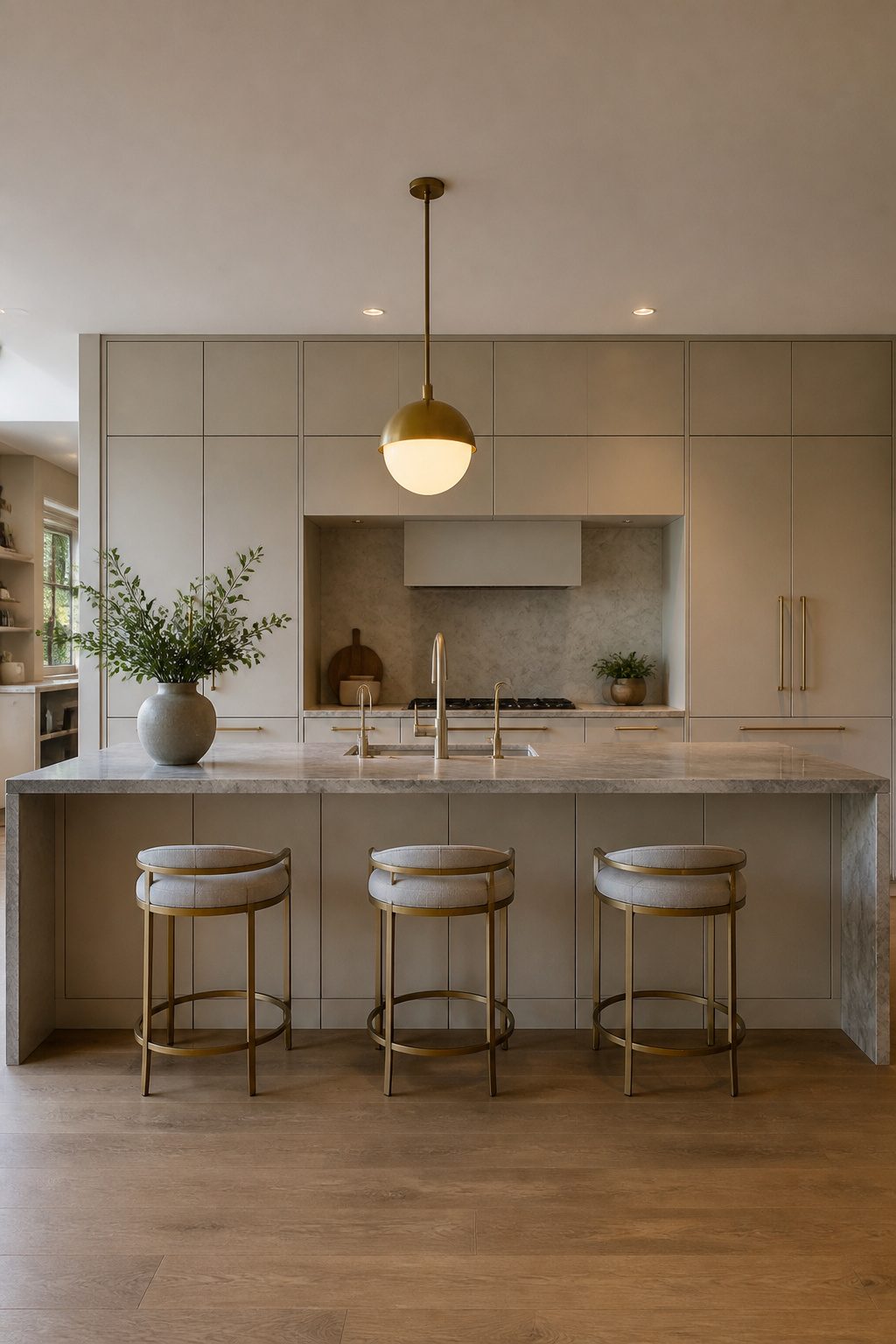
Built-in appliances and flush cabinetry are the mechanical core of the concealed kitchen trend I have watched move from high-end installs into weekend-project territory. Panels that sit level with cabinet faces hide the refrigerator, the dishwasher, the coffee station.
Appliance garages, those small dedicated cabinets for toasters and blenders, finish the job of clearing the counter. The result reads as one continuous wall, which helps an open layout feel intentional rather than chaotic.
Open kitchens that flow straight into living space need this kind of discipline. Without it, the cooking zone becomes a visual mess seen from the sofa.
Islands and peninsulas help; they create a partial boundary while still letting someone at the stove talk to someone at the couch. The cook is not isolated, but the pans are not in the sightline either.
The tension I keep returning to is that minimalism this strict can feel cold, especially against the natural materials like oak and stone that are running through every other 2026 trend. The concealed kitchen risks looking like a showroom.
One fix I prefer is mixed metals on the hardware: brass pulls with nickel hinges, or a bronze pendant over the sink against stainless appliances. The slight mismatch adds the warmth that flush white panels strip away.
Start with one dominant metal, maybe the one on your faucet, and scatter the second finish on smaller pieces. It takes about an afternoon to swap hardware on a standard kitchen, and the cost stays inside a typical project budget.
Recommended Products

【Elegant Symmetrical Fluted Arched Cabinet】 Credenza features meticulously carved arched fluted panels that create captivating light and shadow effects, adding a touch of modern artistry to your living space. This mid-century modern storage cabinet not only boasts exquisite aesthetics but also offers a delightful tactile experience. It effectively resists fingerprints and minor scratches, maintaining a pristine appearance with ease

【Stylish Arched Fluted Sideboard Cabinet】 Our modern sideboard is highlighted by distinctive arched fluted‑texture cabinet doors, bringing soft vintage charm and visual depth to your home. This eye‑catching storage cabinet combines clean‑lined silhouette with delicate ribbed panels, perfectly upgrading the decor of your living area while remaining a timeless buffet cabinet for long‑term use.

Fluted Design & Modern Style:Featuring elegant fluted doors and drawers with champagne gold handles, this bathroom storage cabinet adds a warm modern touch to your bathroom, living room, kitchen, or entryway. The natural oak finish blends well with farmhouse, Japandi, and contemporary decor
10. Personalized Spaces
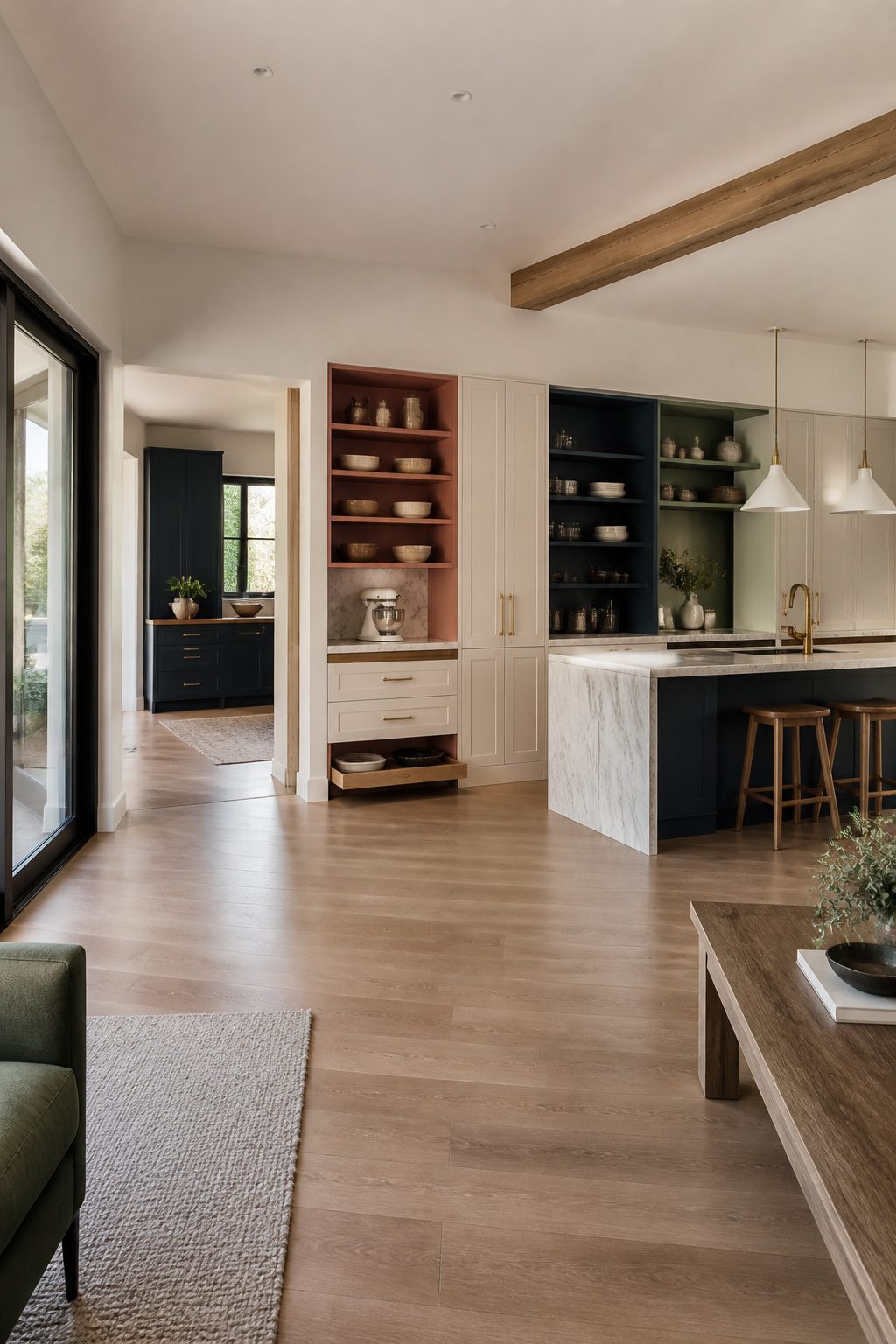
The shift away from template kitchens is the quietest trend in the 2026 research, which also makes it the most useful for anyone working with a real budget and a Saturday.
Most sources still lead with the same island-and-pendant formula, but the kitchens that actually get lived in are breaking into zones built around what the household does, not what a catalog photographed well.
A baking station needs a lower counter height, about 36 inches for rolling dough without shoulder strain, a marble remnant slab for temperature control, and a drawer for scales and pins within one motion of that surface.
A coffee bar wants 18 inches of depth for a machine plus grinder, an outlet rated for the draw, and a shelf above for mugs you reach before your eyes adjust.
A homework zone means a stool height that lets a kid’s feet rest flat, a task light that does not rely on the room’s overhead, and a finish on the surface that takes pencil erasing without complaint.
The risk is building the zone and skipping the storage it needs, which turns a dedicated corner into a clutter magnet inside a month.
Most of these projects land under $400 if you reuse existing cabinetry and buy hardware and a slab piece.
Paint the interior of one cabinet in a color that signals the zone, so the station reads as intentional even when it is not in use.
Recommended Products
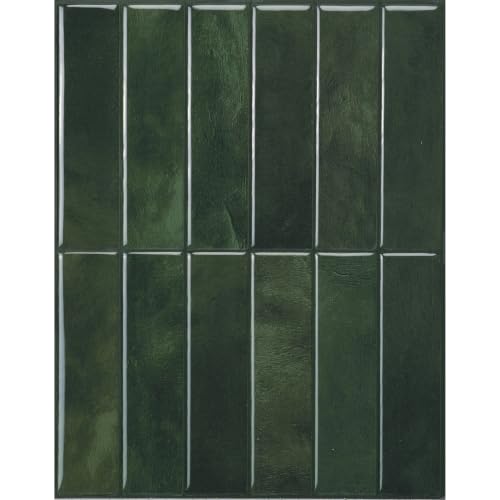
High-quality peel-and-stick tiles made in North America: Buy locally from the market leader in self-adhesive wall tiles. At Smart Tiles, we offer a wide range of easy to install, high quality tile designs. Each pack of 5 tiles covers 0.33 square metres.

Realistic Ceramic Tile Look: Glossy and shiny hexagon tile is scratch-resistant, high-impact and fade-resistant, creating a high-end look for you, long hexagon design can be installed vertically or horizontally.
What Marble Countertops Actually Cost You
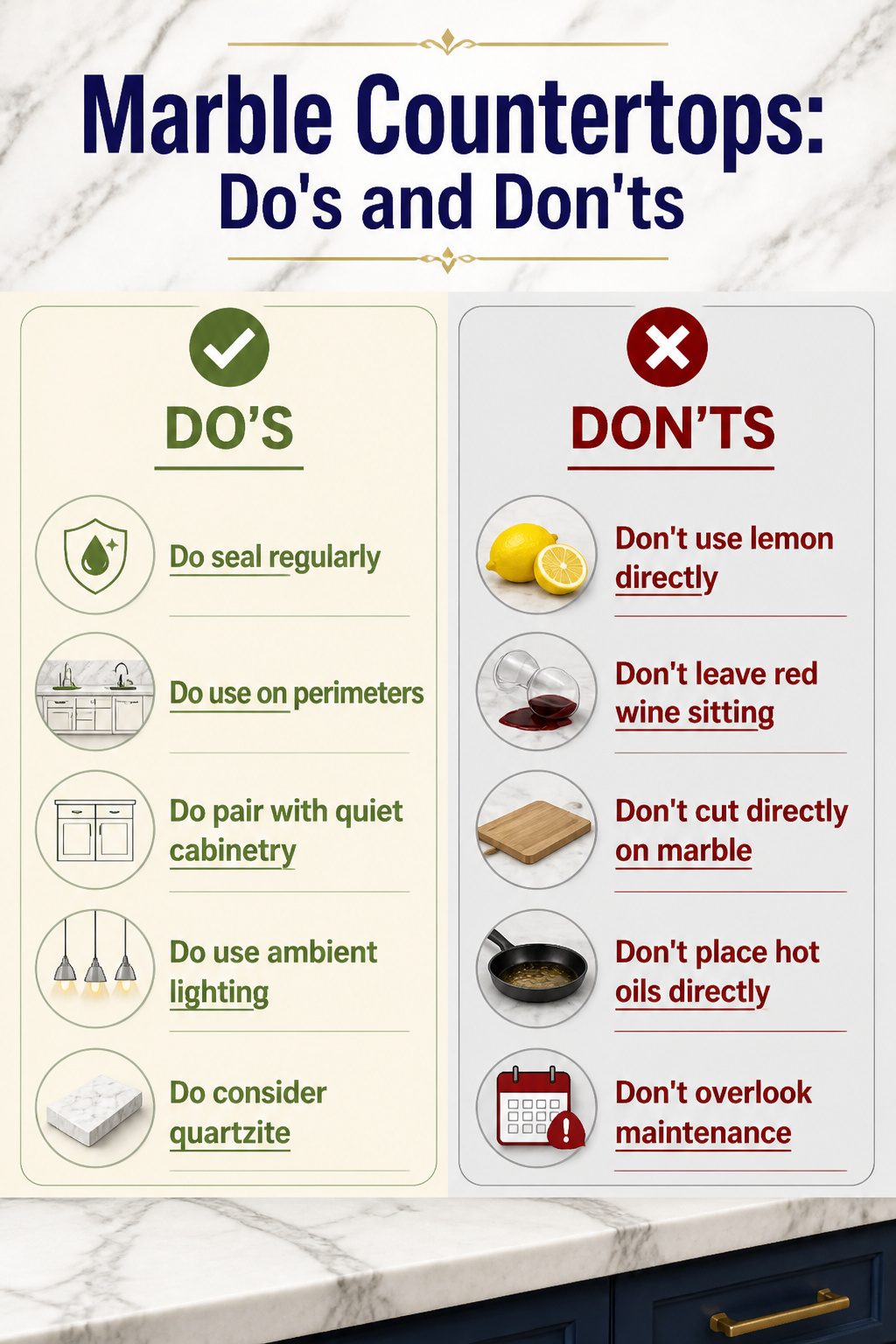
Marble is still the stone homeowners ask for first, and the reason is visible the moment you walk into a kitchen that has it.
The veining runs like a river across the surface, and that movement alone becomes the design statement, especially when the same slab continues up the wall as a backsplash.
In 2026, designers are pushing that idea further, taking stone from counter to ceiling so the material itself reads as art.
**The real cost of marble is not the slab.
It is the maintenance.** I have watched too many people fall in love with the look and sign off before they understand what they are agreeing to live with.
Marble stains. Acid etches it, oil darkens it, and red wine left for twenty minutes can leave a mark you will still see in three years.
You seal it, and then you seal it again. The frequency depends on how hard you cook, but plan on twice a year at minimum, more if you are the type who squeezes lemons directly onto the cutting board.
For that reason, marble makes sense on a perimeter run where you prep lightly and display more.
It frustrates on an island that doubles as a homework station and pizza night headquarters. If you need the look there, quartzite gives you similar veining with less grief, though it reads cooler and the pattern moves differently.
Pair either one with quiet cabinetry, simple hardware, and ambient lighting that falls across the stone rather than blasting it head-on. The stone deserves the stage, but it also deserves an owner who knows what they are buying.
How to Read a Trend for Your Own Kitchen
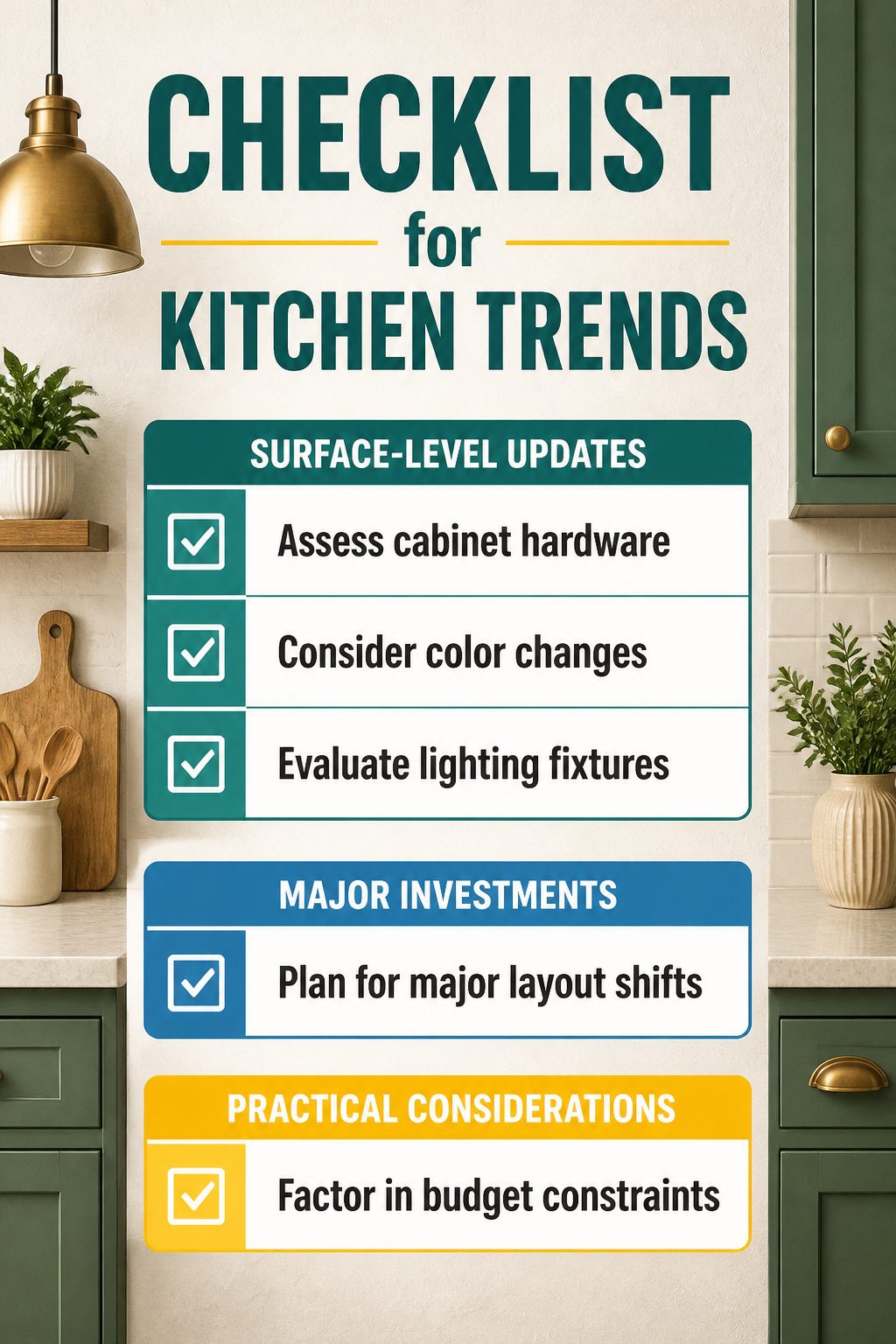
Not every trend in a 2026 kitchen catalog belongs in your actual kitchen.
Some updates are surface-level swaps you finish in a weekend: paint on cabinets, new hardware, swapped pendants over the island. Others demand a contractor, permits, and a budget that balloons past a few hundred dollars.
I sort these by what changes when I walk into the room. Color, finish, and light fixtures reset the mood without touching the walls.
An island expansion, a walk-in pantry carve-out, or any shift in the work triangle means flooring gets patched, plumbing rerouted, and your kitchen is half-functioning for weeks. That distinction matters more than how current the image looks on Pinterest.
If you rent, the line is obvious; stick to what fills a U-Haul later.
If you own but this is kitchen project number one, the same filter applies. A bold green cabinet and vintage brass knobs reward a Saturday of effort.
A reconfigured layout swallowed my only vacation budget and three months of takeout. I flag the difference so you know which magazine pages to tear out and which to admire without reaching for the phone.
Cabinet Style Quick Guide
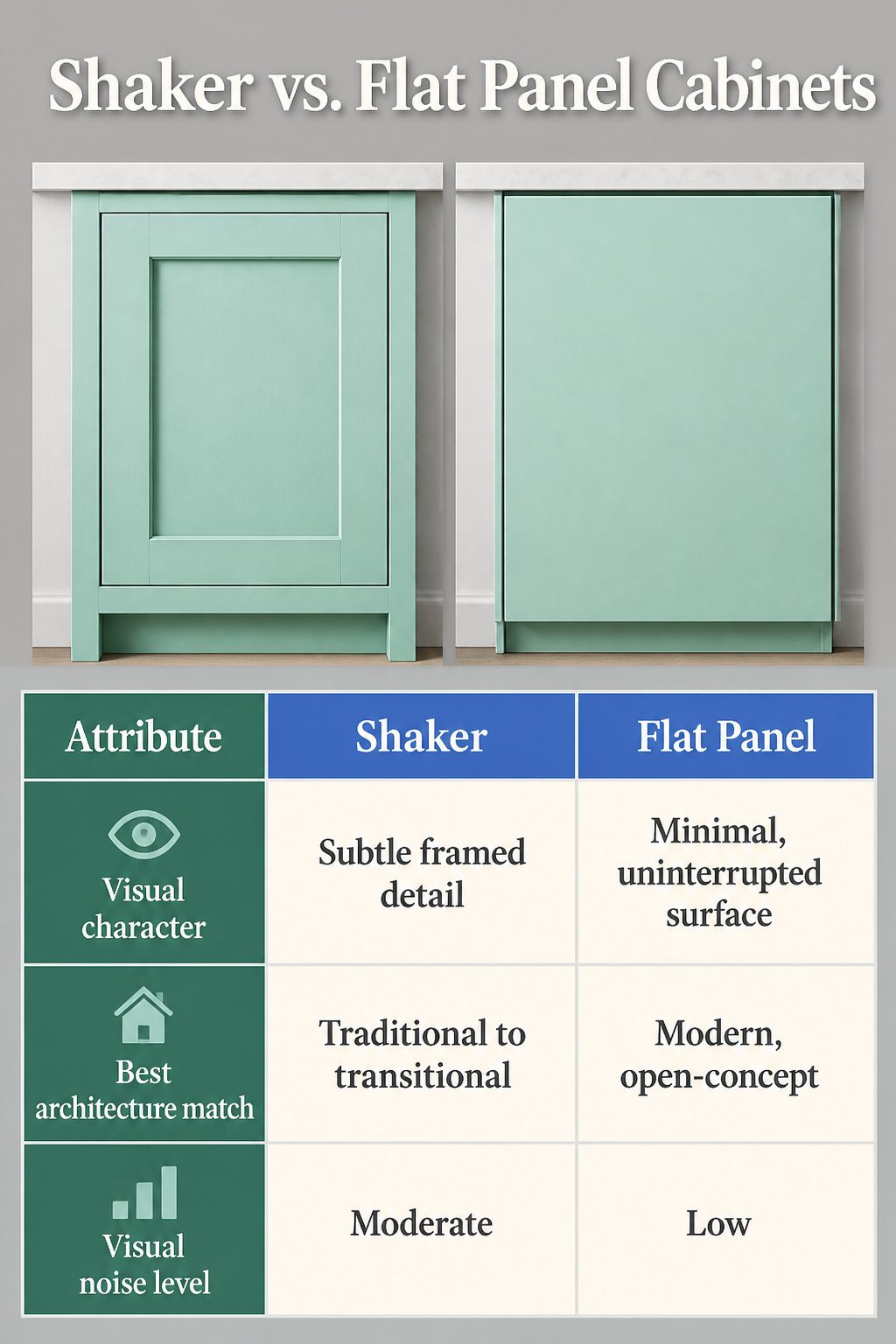
Shaker cabinets still earn their keep for one reason: the recessed panel adds just enough shadow line to read as detail without bullying the rest of the room.
That slight frame lets them sit comfortably in a kitchen with traditional trim or one that leans modern, so they bridge when you’re unsure where the house lands.
Flat panel cabinets strip even that shadow away.
The surface stays uninterrupted, which reads as visual quiet, and in an open-concept layout where the kitchen shares sightlines with the living area, that calm matters more. Sources note they’re taking center stage in ultra-modern homes specifically for this reason.
The choice depends on what your existing architecture already says.
Older casing, paneled doors elsewhere, or any farmhouse lean points toward Shaker. Clean door casings, flush baseboards, or a lofted space reward flat panel’s restraint.
| Attribute | Shaker | Flat Panel |
|---|---|---|
| Visual character | Subtle framed detail | Minimal, uninterrupted surface |
| Best architecture match | Traditional to transitional | Modern, open-concept |
| Visual noise level | Moderate | Low |
Shaker stays the safe default, but flat panel wins when you want countertops or a backsplash to stand out instead.
Lighting Layers in Practice
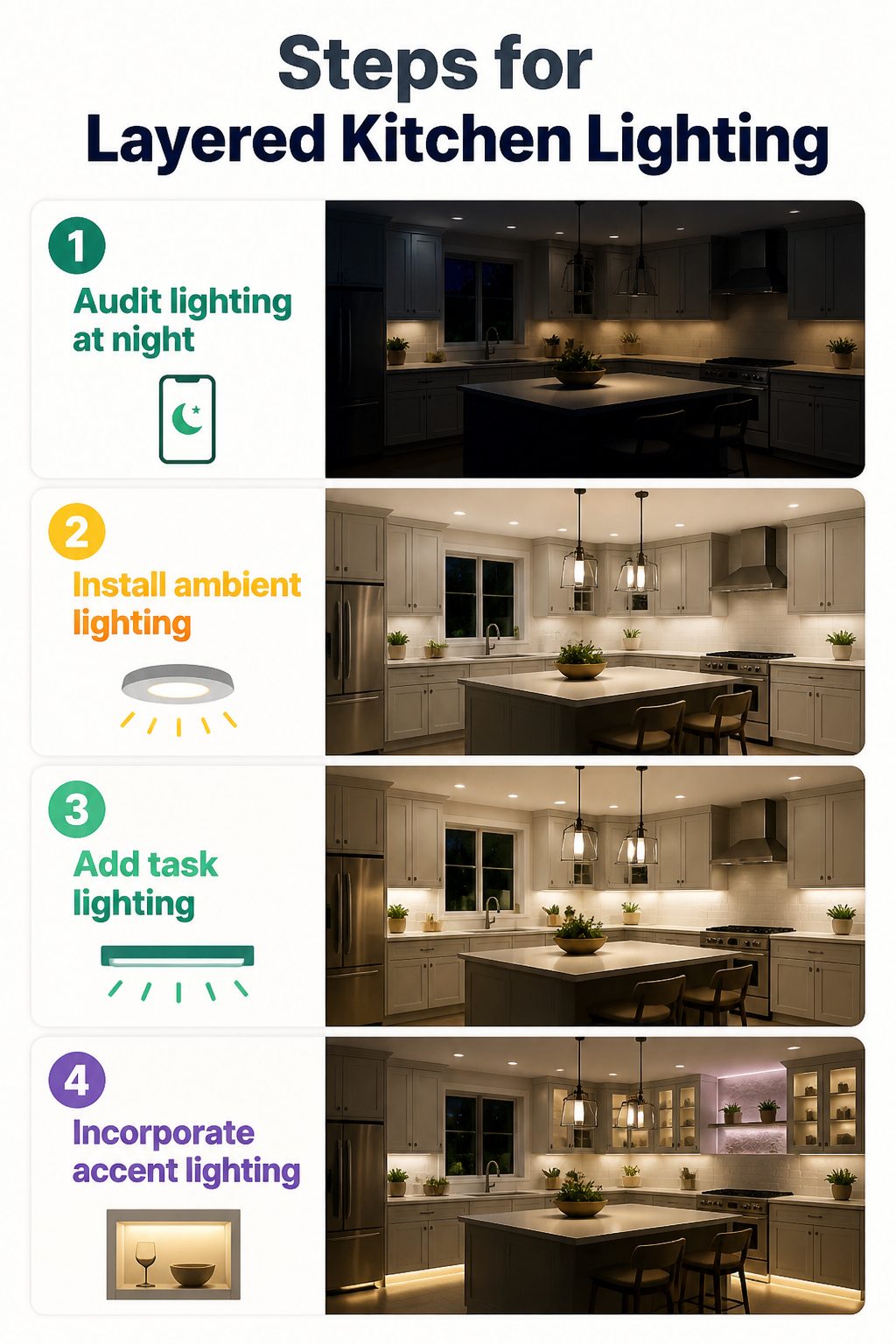
Most kitchens I walk into already have one layer working hard and two others missing entirely. Audit what you have by walking the room after dark: flip each switch and note what still sits in shadow.
- Ambient lighting is your general wash of light, usually from recessed cans in the ceiling or a pendant over the island. If you can see to chop an onion but the light falls flat across your countertops, you have ambient covered. If the room feels like a cave once the sun sets, start here.
- Task lighting lives under your upper cabinets and hits the counter where you actually work. Without it, your body blocks the ambient light and you are leaning into your own shadow every time you dice vegetables. Strip LEDs or puck lights fix this in a weekend.
- Accent lighting is where the personality hides. Toe-kick lighting along the base of your cabinets keeps the space alive after dinner cleanup, and in-cabinet strips turn glassware or open shelving into something you notice. Picture lights above open shelving are trending in higher-end kitchens for a gallery-like feel; backlit backsplashes with color-changing LEDs do similar work, shifting from bright energizing light for prep to a warmer glow for evening.
Pull out your phone after dark and take a photo of each wall. Where the photo goes muddy, you are missing a layer.
Where Smart Kitchen Tech Pays Off
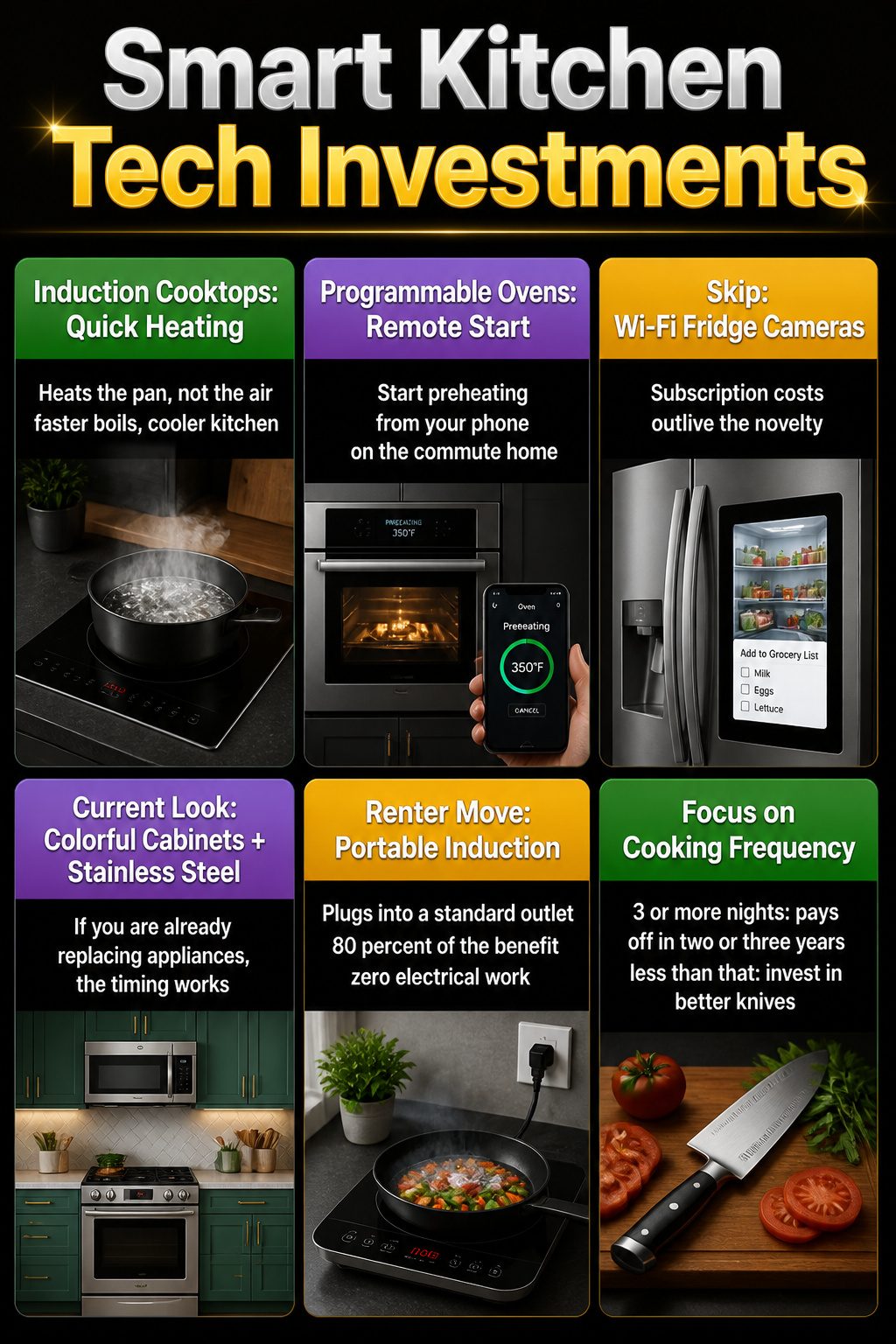
Induction cooktops and programmable ovens are the two upgrades currently worth the wiring, because both cut energy use enough to show up on a utility bill and shave real time off daily cooking.
The induction surface heats the pan itself, not the air around it, so water boils faster and the kitchen stays cooler.
A programmable oven lets you start preheating from your phone on the commute home, which matters if you cook most evenings.
What I skip: Wi-Fi connectivity inside refrigerators that builds grocery lists. The feature sounds convenient until you realize you still have to confirm what the camera missed, and the subscription costs outlive the novelty.
Colorful cabinetry paired with stainless steel appliances is the current look sources keep showing, so if you are already replacing appliances, the timing works. But I would not tear out a functioning range just for the tech.
For a renter, a portable induction burner plugs into a standard outlet and gives you 80 percent of the benefit with zero electrical work. The real test is honest: how many nights a week do you actually cook?
Three or more, and the full upgrade pays off in two or three years. Less than that, and your money belongs in better knives you will hold in your hand every time.
Frequently Asked Questions
What kitchen colors are trending in 2026?
Warm neutrals, bold colors like navy and emerald, and natural finishes like wood grain are leading the way.
These three directions let you build contrast and personality without creating a look you tire of quickly. Deep blues and greens in particular are moving from accent walls onto cabinetry itself.
Is marble still popular for kitchen countertops?
Yes, marble countertops remain in high demand for their luxurious appearance and natural veining. Many homeowners now use marble as both a countertop and backsplash, with some designers taking stone from counter to ceiling so the material reads as art.
The real cost is maintenance: marble stains, acid etches it, and you will seal it at least twice a year.
How do I make my kitchen more energy efficient?
Choose energy-efficient appliances with the Energy Star label, install LED lighting at all three layers, and consider an induction cooktop.
Induction heats the pan directly rather than the air around it, so water boils faster and the kitchen stays cooler. Zoning your lighting and putting the cooktop on its own circuit also cuts waste without requiring you to count watts.
What’s replacing the all-white kitchen?
Kitchens now feature colorful cabinetry, wood tones, and mixed materials to add texture and warmth. White oak cabinets with fluted finishes, clay tile backsplashes, and painted cabinets in sage, terracotta, and mushroom are replacing the sterile base coat.
White cabinets have not disappeared entirely, but they are almost always paired with natural materials or bolder color blocks.
What’s the most popular cabinet style right now?
Shaker cabinets remain a favorite for their versatility and clean lines, but flat panel cabinets are rising in popularity.
Shaker wins if you might sell in five years, since the slight frame bridges traditional and modern spaces. Flat panel wins in open-concept layouts where its uninterrupted surface creates visual calm.
What color kitchen won’t date?
Warm neutrals, soft greens, and rich wood tones age better than all-white or ultra-bold choices.
Sage, terracotta, and mushroom painted cabinets forgive splatter and wear better than stark white. Natural materials like white oak and stone shift with trends rather than against them.
Can I redo my kitchen for $10,000?
A $10,000 budget handles surface-level swaps like painted cabinets, new hardware, pendant lights, and under-cabinet LEDs.
Most personalized zones like a baking station or coffee bar land under $400 if you reuse existing cabinetry. Anything involving layout changes, plumbing rerouting, or custom cabinetry will push well past that limit.
What kitchen is in style now?
The latest kitchen designs mix natural materials with smart function: wood tones paired with stone, concealed appliances behind flush panels, and islands that store as much as they display.
Layered lighting, walk-in pantries used as prep spaces, and texture on walls and ceilings are all current. The overall direction is warmer and more lived-in than the all-white showroom look.
What are some timeless colors for kitchen cabinets?
Sage, terracotta, mushroom, and navy read as timeless because they borrow from natural materials rather than trend cycles.
Wood grain finishes in white oak carry the same quality. These colors age better than all-white because they forgive daily wear and shift with changing light throughout the day.