
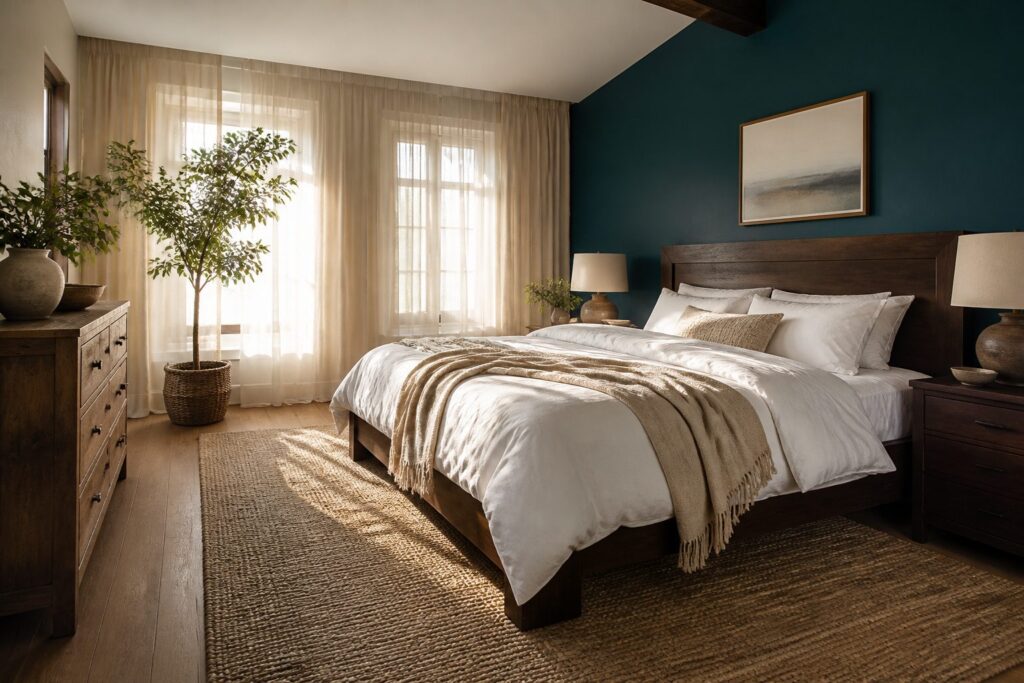
A king bedroom works when the room is large enough to let it breathe and styled to keep it from dominating.
The tipping point is 12 by 14 feet; below that, the mattress plus two nightstands and a dresser turns movement into a shuffle, and the first mistake most people make is choosing nightstands that look toylike beside 76 inches of width.
Scale decides everything here.
1. Comfort Begins With the Bed
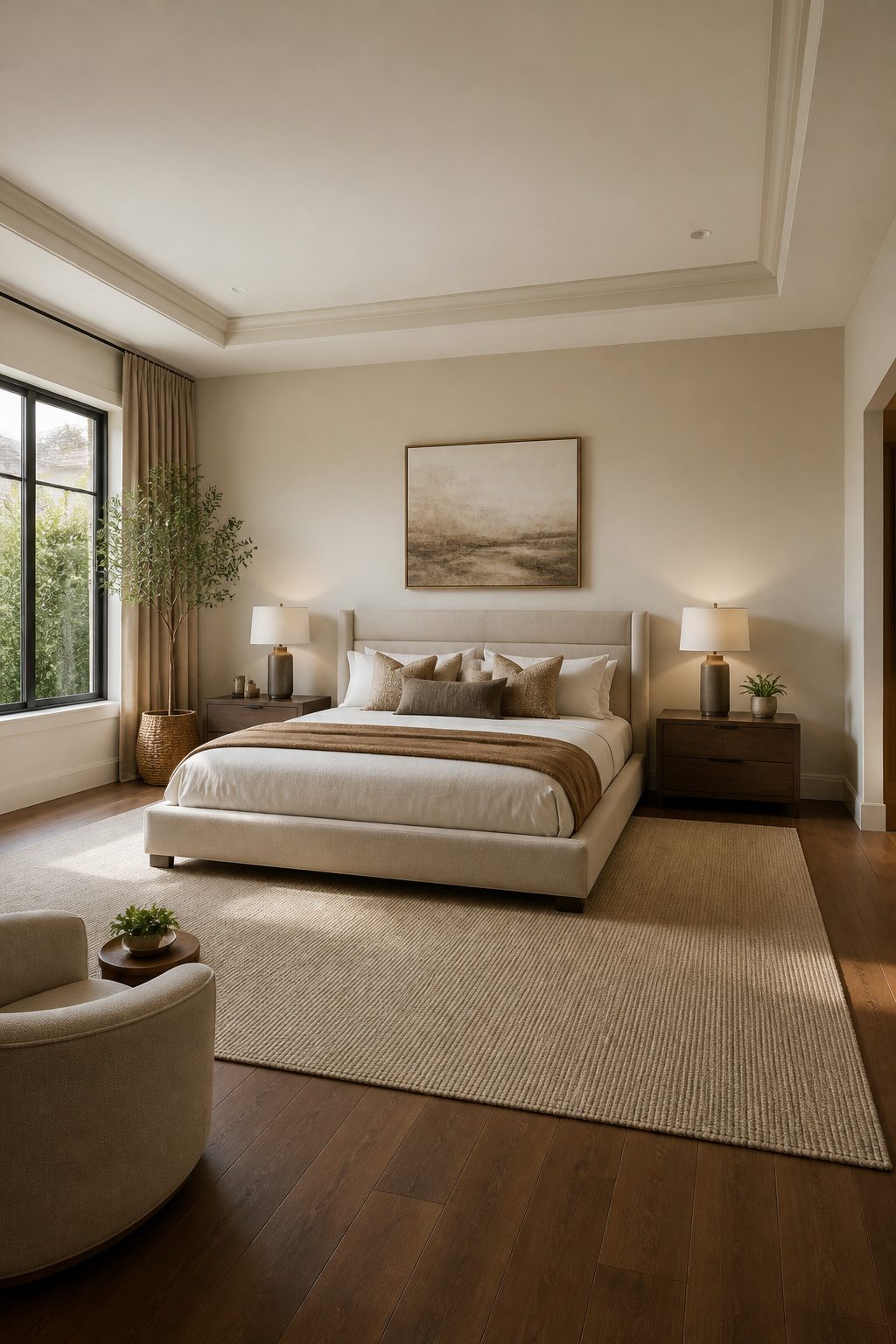
A king mattress measures 76 × 80 inches, and that extra 16 inches of width over a queen changes every decision that follows.
I would not try to fit one into anything smaller than 12 × 14 feet; below that, the bed plus two nightstands and a dresser turns movement into a shuffle.
The clearance matters as much as the bed itself: 60–75 cm on all sides is the minimum for comfortable walking space, and I would push toward the upper end if two people are moving through morning routines at once.
Firmness is where personal preference runs into real mechanics.
A king this large needs a foundation that does not flex in the middle; a standard metal frame with a center bar is the minimum, and a solid platform or slats with narrow spacing will outlast it.
I would skip the box spring unless the mattress specifically demands it; most modern kings sit better lower, and the saved height keeps the proportions in check.
Scale is the part people miss.
Standard nightstands look toylike beside a king. Wider surfaces, or even a pair of small chests, balance the visual weight.
Bedside lamps that worked for a double bed disappear here; the light source needs to read at the same scale as the headboard, which itself should run 54–64 inches tall for proper proportion.
I would choose one statement piece for the bed area, not three: let the headboard carry the room and keep everything else quiet.
Recommended Products

Innovative Floating Effect: Elevate your bedroom aesthetic with our floating design that gives the illusion of weightlessness, creating a sleek, modern look that complements any decor style.
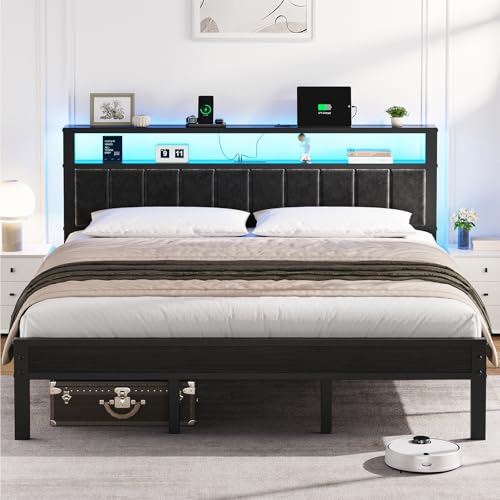
Immersive Ambient LED Light System: Elevate your master bedroom with a king bed frame featuring advanced RGB LED technology. The remote-controlled lighting allows you to cast a serene glow for reading or unwinding, enhancing the room's luxury and comfort while providing practical light for nighttime needs

35.9"-39.6" Adjustable Height Headboard: Our king size bed frame features a 3.7 inch height-adjustable headboard (35.9"-39.6"), designed for mattresses 8-12 inches thick. Easily customize the height to match your mattress thickness while maintaining a tailored look for your bedroom setup.
2. Style With Soft Finishes
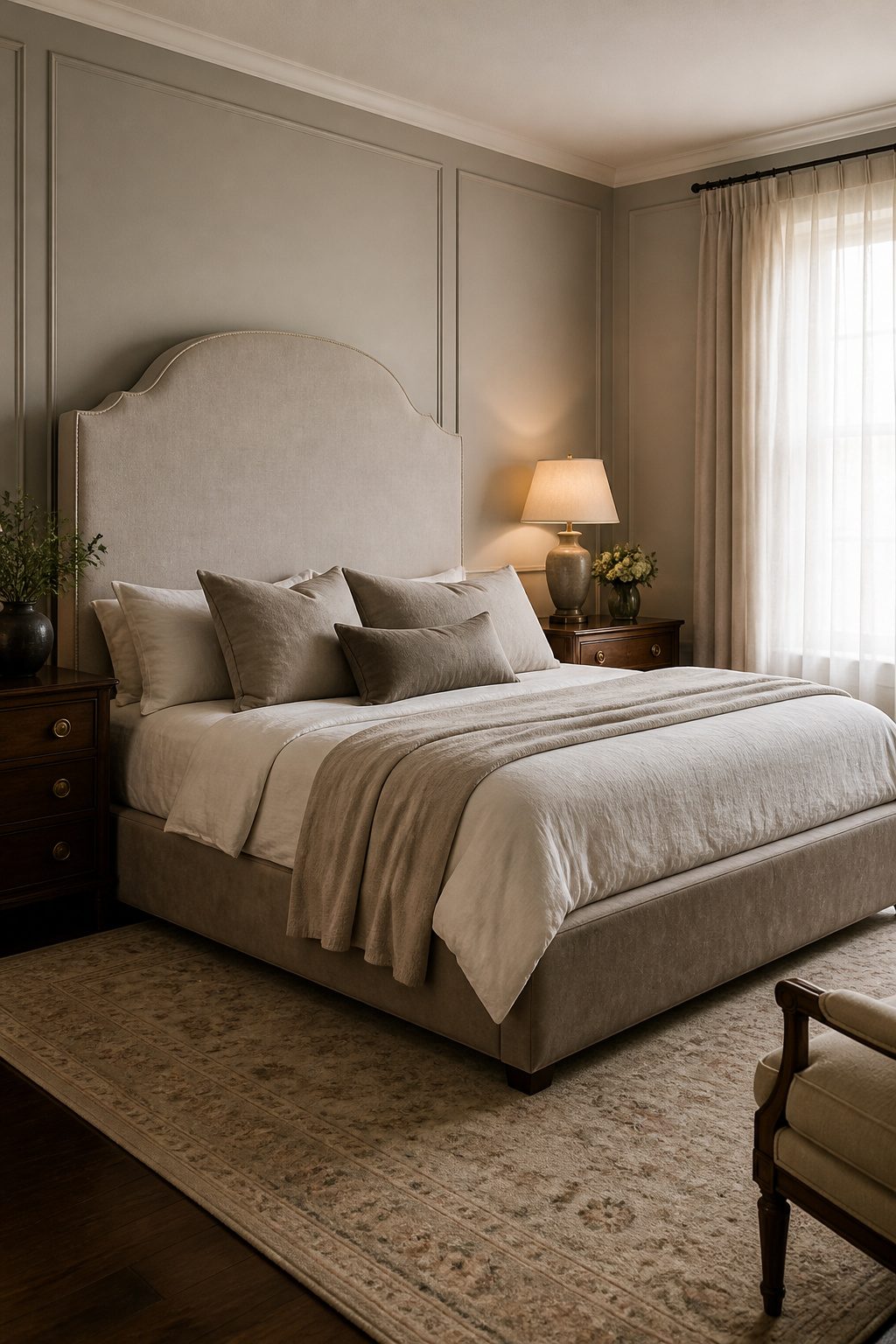
An upholstered headboard does more than soften the wall behind a king bed.
It changes how the whole room reads. Bare wood or metal frames can turn a large mattress into something that looks like it belongs in a showroom or a hospital wing.
Fabric absorbs the echo that hard surfaces throw back, so the bedroom actually quiets down when you walk in. I notice the difference most in winter, when every surface seems to sharpen the sound of the heating system kicking on.
For visual proportion against a king mattress, a headboard 54–64 inches tall hits the right balance. Below that range, the bed starts to look underscaled in a room that needs to hold it.
Above it, the piece dominates the wall like a stage set. Fabric-wrapped side rails extend the same logic around the perimeter, so you are not bumping cold metal when you make the bed in the morning.
Velvet and heavy linen both work; velvet leans more formal, linen more relaxed, and either one beats the thin padding on budget frames that goes flat inside two years.
I would skip faux leather entirely. It squeaks, it cracks, and it never stops looking like a rental unit shortcut.
The warmth is real, not decorative. Cloth holds temperature differently than metal or sealed wood, so the bed reads as the place you actually sleep rather than the thing you bought to stage the room.
Recommended Products
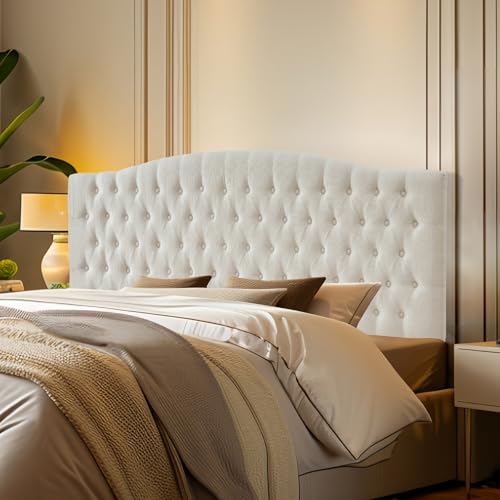
MODERN DESIGN: The padded headboard uses a classic tufted button design for a beautifully minimalist look. Elegant modern curved design is more luxurious. Redefine your bedroom style without having to buy a new bed frame

Quality Advantage: King bed frame made of high-quality metal and wood; heavy-duty support feet with plastic plugs to care for your floor; super sturdy and durable, supports up to 800 pounds

MAXIMIZE STORAGE WITHOUT ADDING EXTRA FURNITURE — Featuring 2 spacious fabric drawers with smooth-gliding silent casters, a practical headboard shelf, and 10 inches of under-bed clearance, this king bed frame helps organize clothing, bedding, shoes, storage bins, and everyday essentials while keeping your bedroom neat and clutter-free
3. Layer Sculptural Furniture
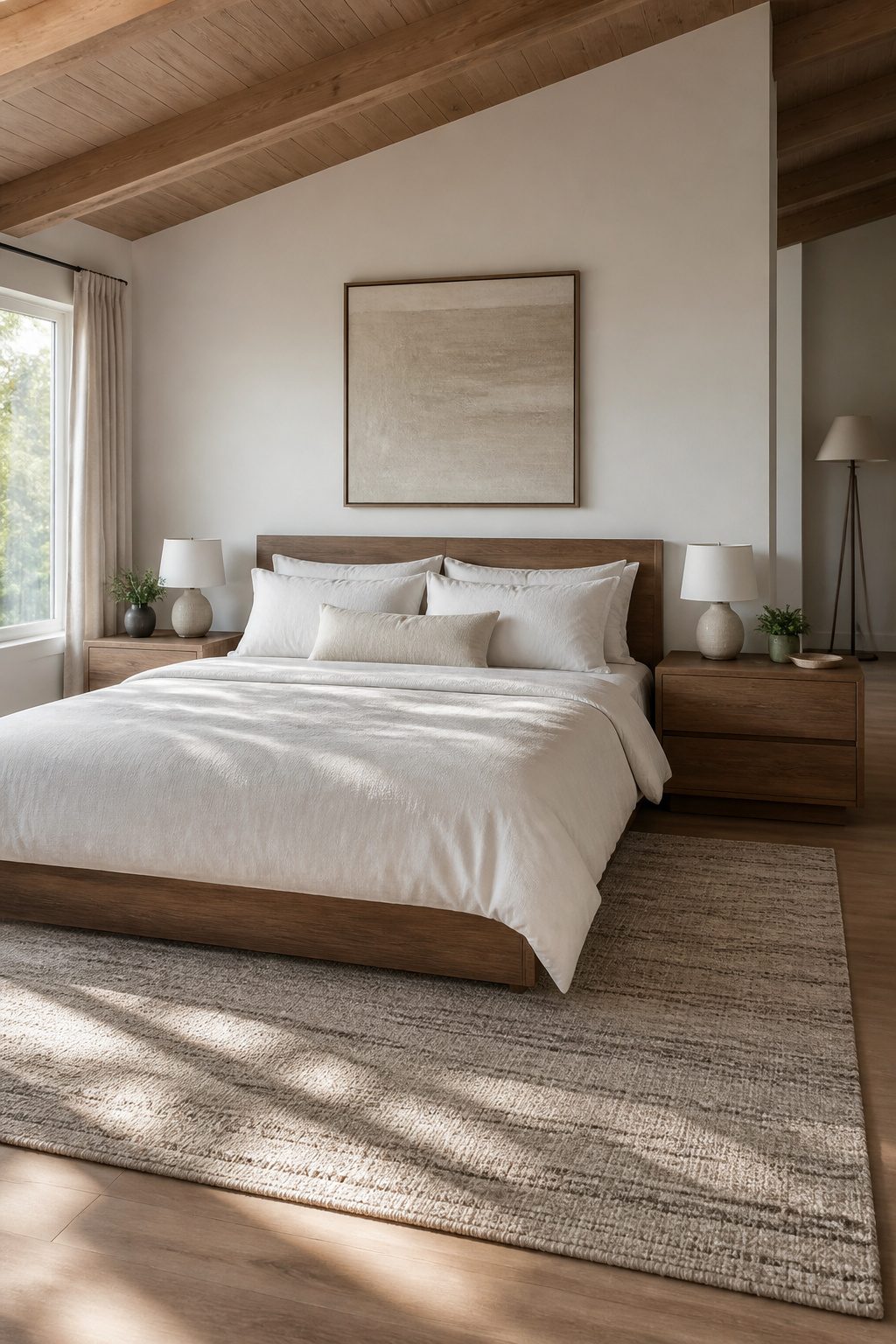
A king bed swallows small nightstands whole. I learned that the hard way after installing a pair of 18-inch-wide pieces that made the mattress look like a barge parked next to two dinghies.
Nightstand width should sit between one-third and one-half the bed’s width for the wall to feel grounded rather than top-heavy.
Height matters just as much: level with the mattress top, or slightly below it. Anything lower leaves the bed floating and the wall visually lopsided.
Symmetry calms the space fast, but the match does not need to be perfect.
Two stands with similar height and visual weight read as a pair even when they are not identical. Before you commit, stand in the doorway and glance at both sides for five seconds.
If one side shouts and the other whispers, swap a lamp or a plant before you buy anything new. Often the fix is already in the room.
Recommended Products
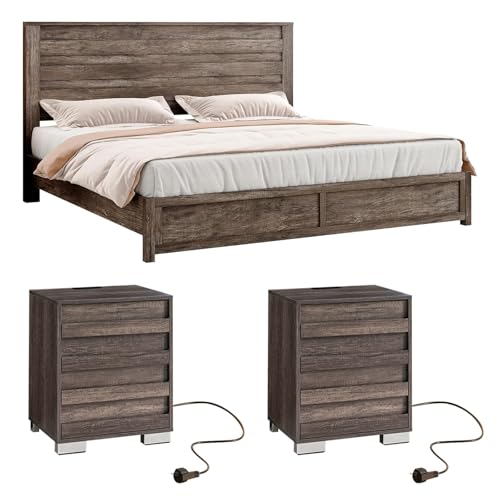
【Farmhouse Bedroom Set】3 piece farmhouse furniture set includes a wooden platform bed with hidden metal bed frame and nightstand set of 2. Unified clean line design & farmhouse overlapped slatted appearance, consistent style, saving your choice time.

Traditional & Rustic Style: 3-piece solid wood bedroom set includes a high bed frame and a 2-piece nightstand set. Achieve a harmonious space effortlessly with coordinated rustic furniture design—saving time and effort
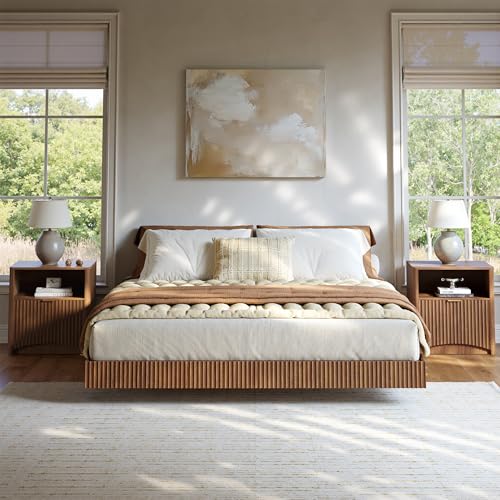
【Complete Bedroom, Perfectly Matched】Upgrade your master bedroom with a 3-piece King bedroom furniture set that includes a King floating bed frame with LED lights and 2 matching nightstands. The coordinated fluted design and rich Walnut finish create a warm, designer-inspired bedroom without the challenge of matching furniture yourself
4. Use Timber to Ground the Bedroom
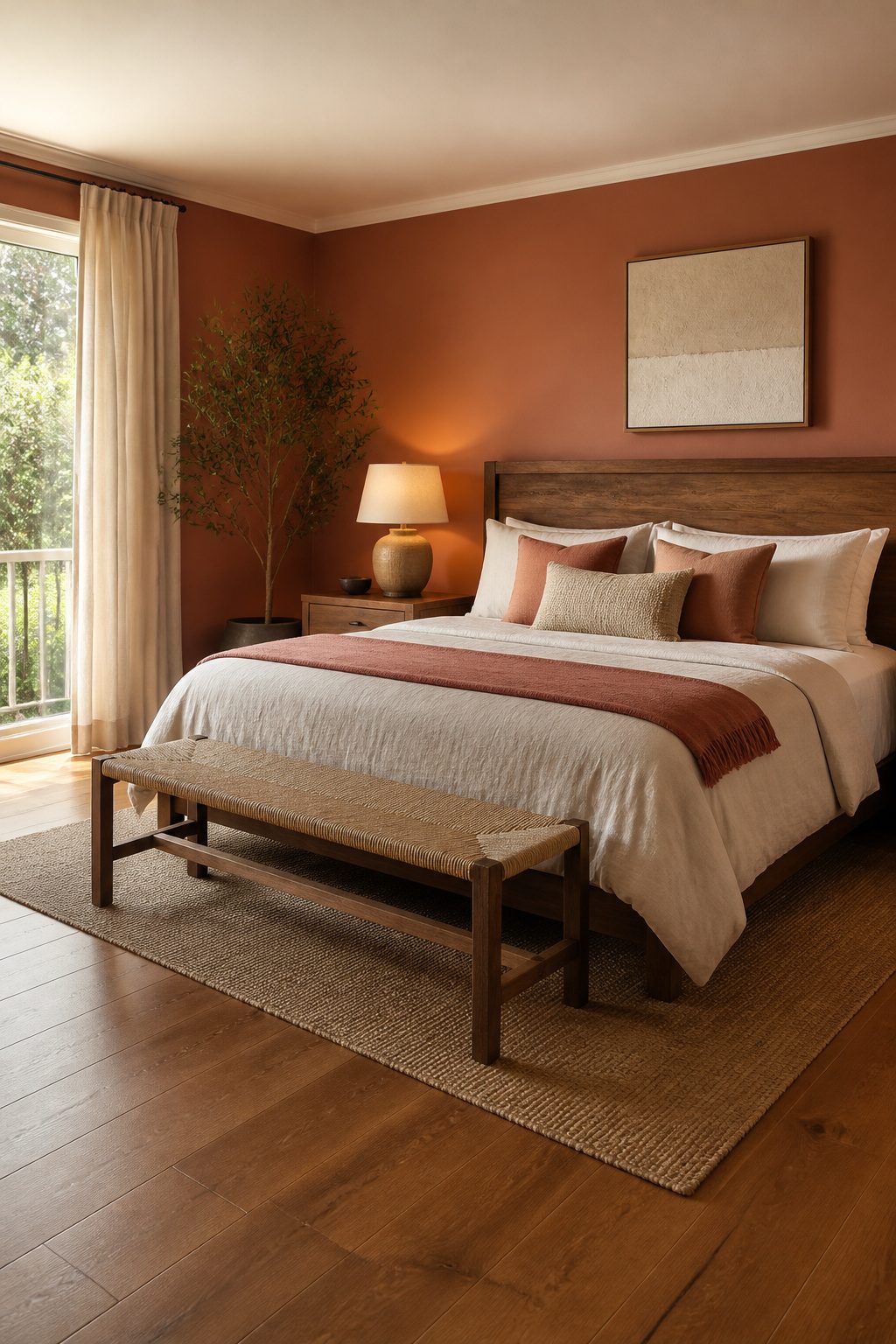
A king bed floats in the middle of the room unless something tethers it to the floor. Timber does that work better than anything else I would choose.
Warm oak on the headboard frame, the nightstand legs, a bench seat at the foot, two warm woods plus a neutral keeps the room from turning into a furniture showroom.
If the architecture gives you exposed beams, use them; they do the same job overhead.
The finish matters more than the species.
I would skip anything high-gloss and anything too rustic with heavy distressing. A matte or satin oil finish wears honestly, shows the grain without shouting, and forgives the scuffs that come from actually living with the piece.
Warm 2700 K light against that wood keeps the room held together at night; cooler light turns even the best oak sterile.
Not every wood plays nice with mountain-inspired spaces. Warm oak and muted terracotta accents work together because the oak has enough yellow to feel sun-warmed without going orange.
Cocoa and dusty plum walls sit better behind that combination than they do behind ash or maple, which read too gray and fight the mood.
If I had to pick one tone for a king bedroom I was building this weekend, I would start with warm oak in a matte finish and let everything else argue with it from there.
Recommended Products

Premium Linen Fabric: Made from 100% linen at 160 GSM; naturally breathable and moisture absorbing; helps maintain comfort in warm or cool seasons; features embroidered details for an elevated look; OEKO-TEX Standard 100 certified

COLORFUL & CLASSIC - Add a splash of colour to your bedroom or guestroom with this premium Lacoste sheet set. Available in a rainbow of warm and cool colours, these luxury sheets are the perfect match for any décor.
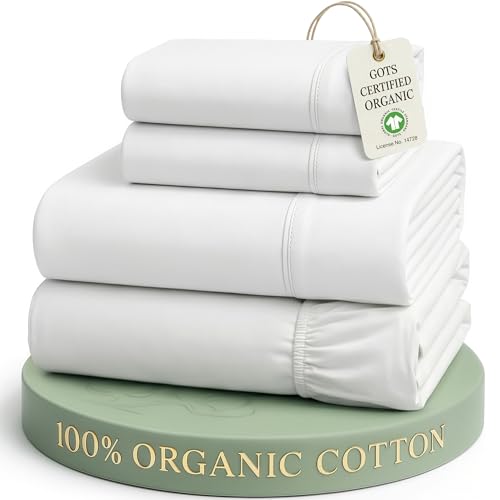
Naturally Cooling Organic Comfort : Stay cool and comfortable with Lane Linen 100% Organic Cotton Percale King Sheets, made from GOTS Certified organic cotton. The crisp percale weave and finer yarns create a lightweight, breathable feel that promotes airflow and balanced temperature for year-round comfort. Gets softer and smoother with every wash. Great as deep pocket King sheets, a cooling King sheet set, and breathable King size bed sheets.
5. Embrace Japandi Principles
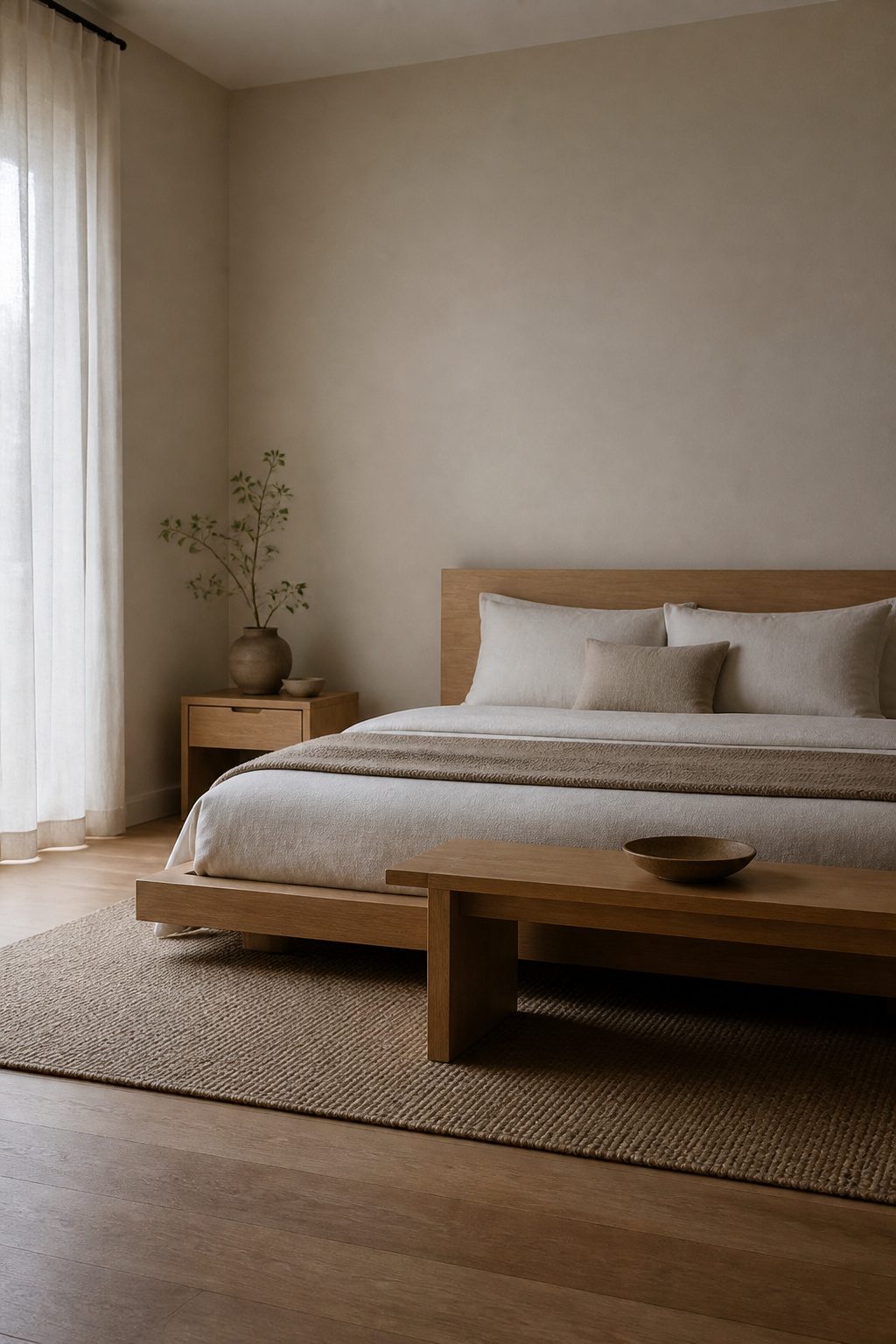
Japandi design borrows the restraint of Japanese interiors and the warmth of Scandinavian ones, and that pairing solves a real problem in king bedrooms.
A standard US king measures 76 by 80 inches, so the bed alone consumes most visual space. The discipline here is to keep everything low and horizontal: a platform frame, nightstands at mattress height or below, nothing that competes for vertical attention.
Natural timber is the material that bridges the two styles, but the finish matters more than the species. I would pick a muted oak or ash with a matte seal over anything glossy or heavily grained.
One ceramic bowl or a single trailing plant on the nightstand replaces the usual cluster of frames and candles. Leave the negative space empty on purpose, not because you ran out of ideas.
The rule that decides whether the room feels intentional or crowded is simple: one statement piece, not many small ones.
A single low bench at the foot of the bed, or one oversized paper pendant above it. I would skip gallery walls entirely here; they read as clutter against a bed this large.
The room can feel spare at first. It fills in with use, morning light, the slight disorder of an actual morning routine.
6. Introduce Texture Over Color
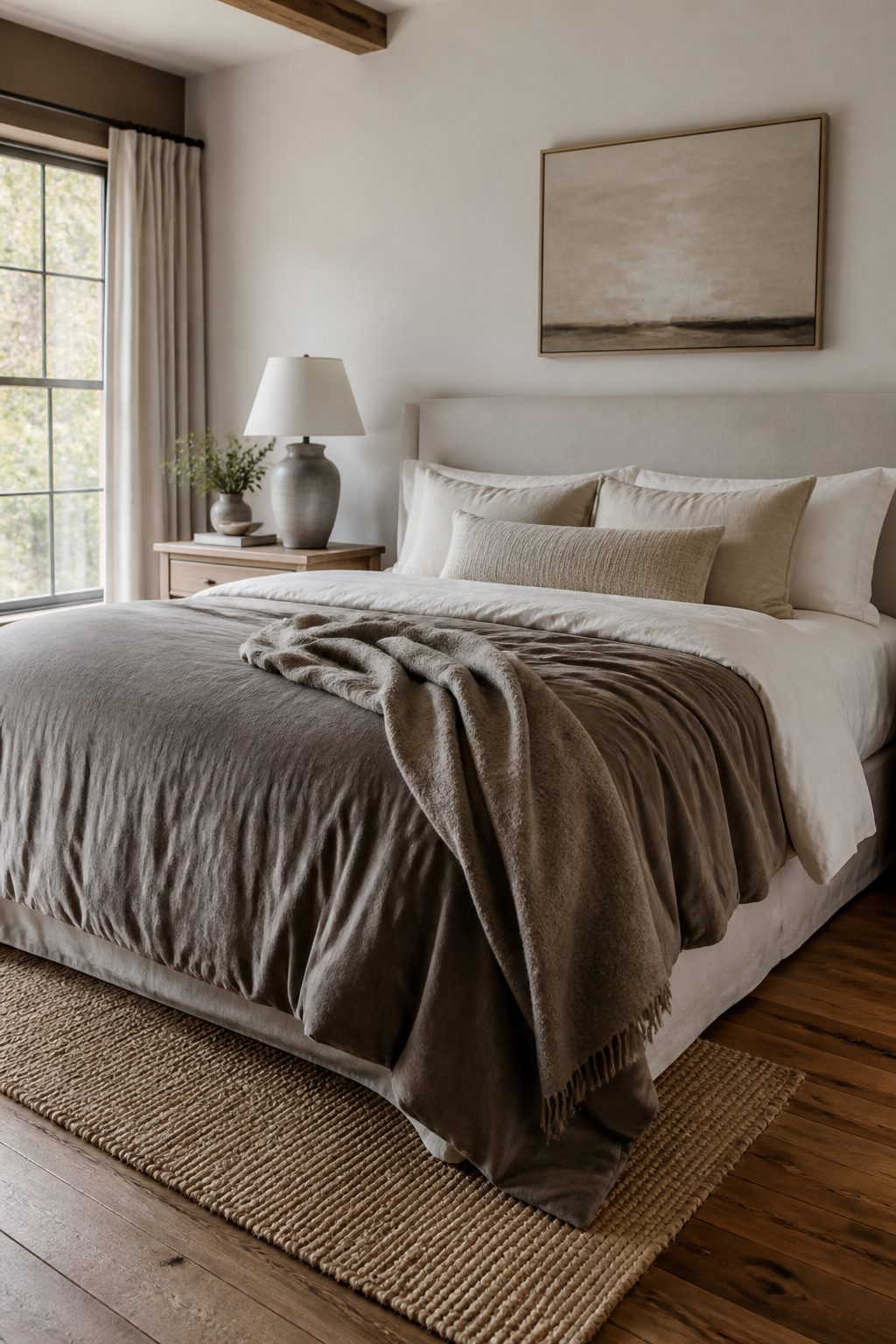
A king bed is wide enough to feel like a stage, and color on that much surface reads loud.
Texture does the same work quietly. Linen sheets start the layer smooth and slightly rumpled, cotton or velvet adds weight in the duvet, and a folded wool throw at the foot breaks up the flat plane without shouting for attention.
Two sleeping pillows, two larger shams, and one long lumbar pillow fill the width without turning the bed into a nightly excavation.
Pattern competes in a sleep space; velvet against linen reads as luxury because your hand notices it, not your eye.
I keep the palette within a family, cream drifting into warm taupe and soft brown, so the materials themselves supply the contrast.
Identical finishes across a bed this large feel staged; the slight irregularity of real weave makes the room livable.
Recommended Products

12 Fabric Drawers for Ample Storage-LIKIMIO bed frame king-size features 12 built-in fabric drawers (6 on each side), providing massive hidden storage for bedding, clothes, shoes, and other items, perfect for small bedrooms or anyone needing extra space

Quality Advantage: King bed frame made of high-quality metal and wood; heavy-duty support feet with plastic plugs to care for your floor; super sturdy and durable, supports up to 800 pounds

STYLE THAT MAKES THE WHOLE ROOM FEEL FINISHED – Rounded legs and a warm wood finish bring a classic mid-century look that ties your space together. A design that never feels dated.
7. Focus on Seamless Storage
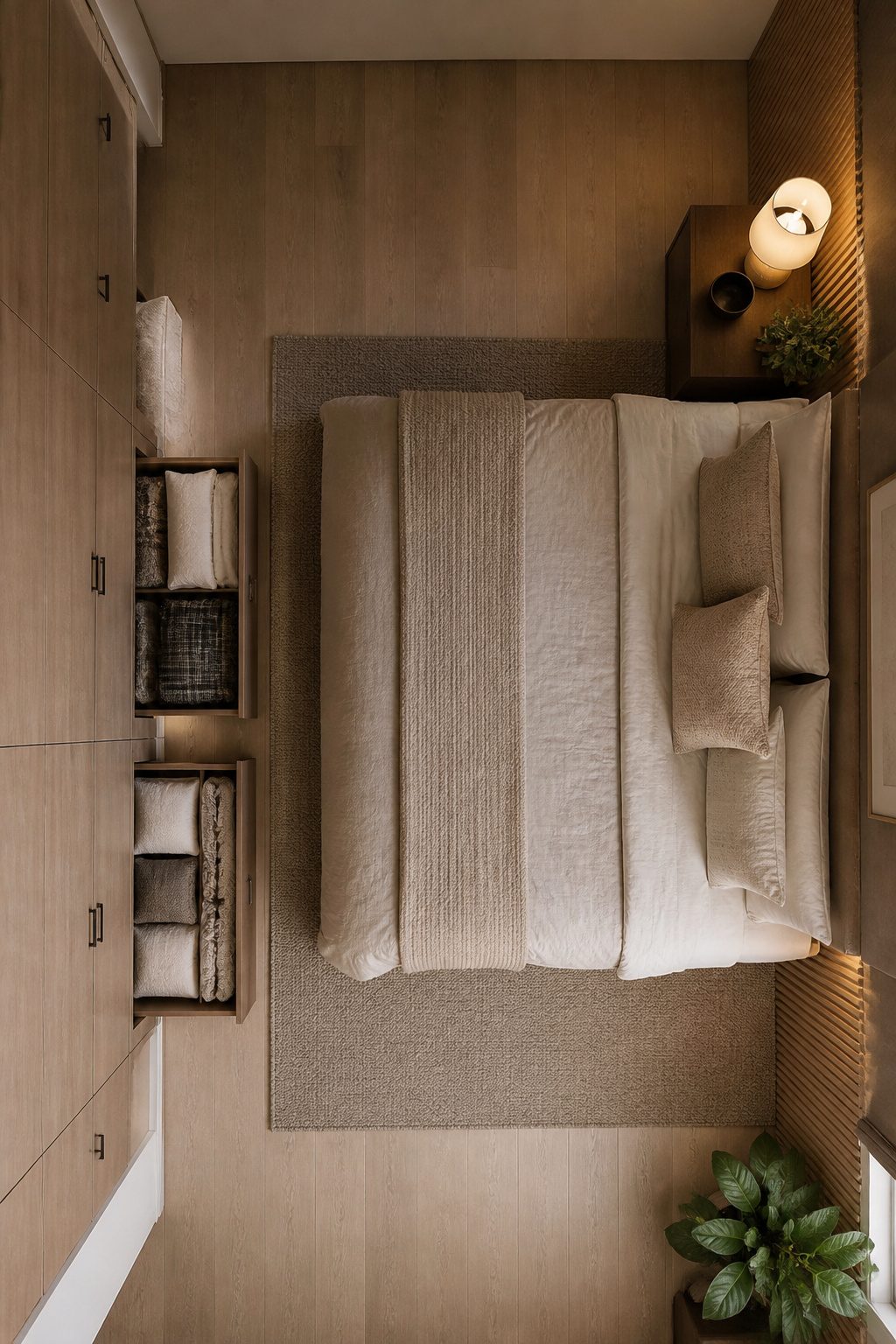
A king bed at 76 by 80 inches eats floor space fast, and the storage you add has to work harder because of it.
I always measure the clearance between the foot of the bed and the opposite wall before committing to any piece with drawers or doors; 30 inches is the minimum that keeps a wardrobe or deep nightstand from feeling like an obstacle course every morning.
Under-bed drawers on casters win in tight rooms where a dresser won’t fit. They disappear visually and keep spare linens or off-season clothes from migrating to open baskets that collect dust and break the calm of the room.
Built-in wardrobes floor to ceiling do the same job with more capacity, but they need that wall depth; in a 12 by 14 foot room, the minimum that comfortably fits a king plus essentials, they can swallow the last bit of breathing space if the door swing is wrong.
Sliding or bi-fold doors fix that.
Nightstands with concealed compartments, not open shelving, are where I draw the line.
Open storage in a king bedroom reads as clutter from every angle because the bed itself is already the visual anchor; competing horizontal lines at nightstand height just add noise.
A drawer that hides the charger, the book, the glasses keeps the surface clean without requiring perfect discipline. You lose some access speed, but I’d rather pull a drawer than stare at a pile.
Recommended Products

Velvet Upholstered Platform with Charging Station - The king size bed frame built-in charging station, including 2 AC sockets, 1 USB port, 1 Type-c charging a variety of electronic devices at your fingertips. Storage shelves on the top provide more storage space for frequently used items such as books, tissue boxes, or your favorite decorations.

No assembly required: Unpack the item and allow 72h for the king headboard to fully restore its shape. Includes 2 metal frames compatible with various mattresses and bed frames

【Velvet Headboard, Modern Look】 Upgrade your bedroom with this upholstered bed frame featuring a sleek velvet finish and fully padded design. The clean, modern style makes this bed frame feel cozy and elevated at the same time
8. Add a Lounge Element
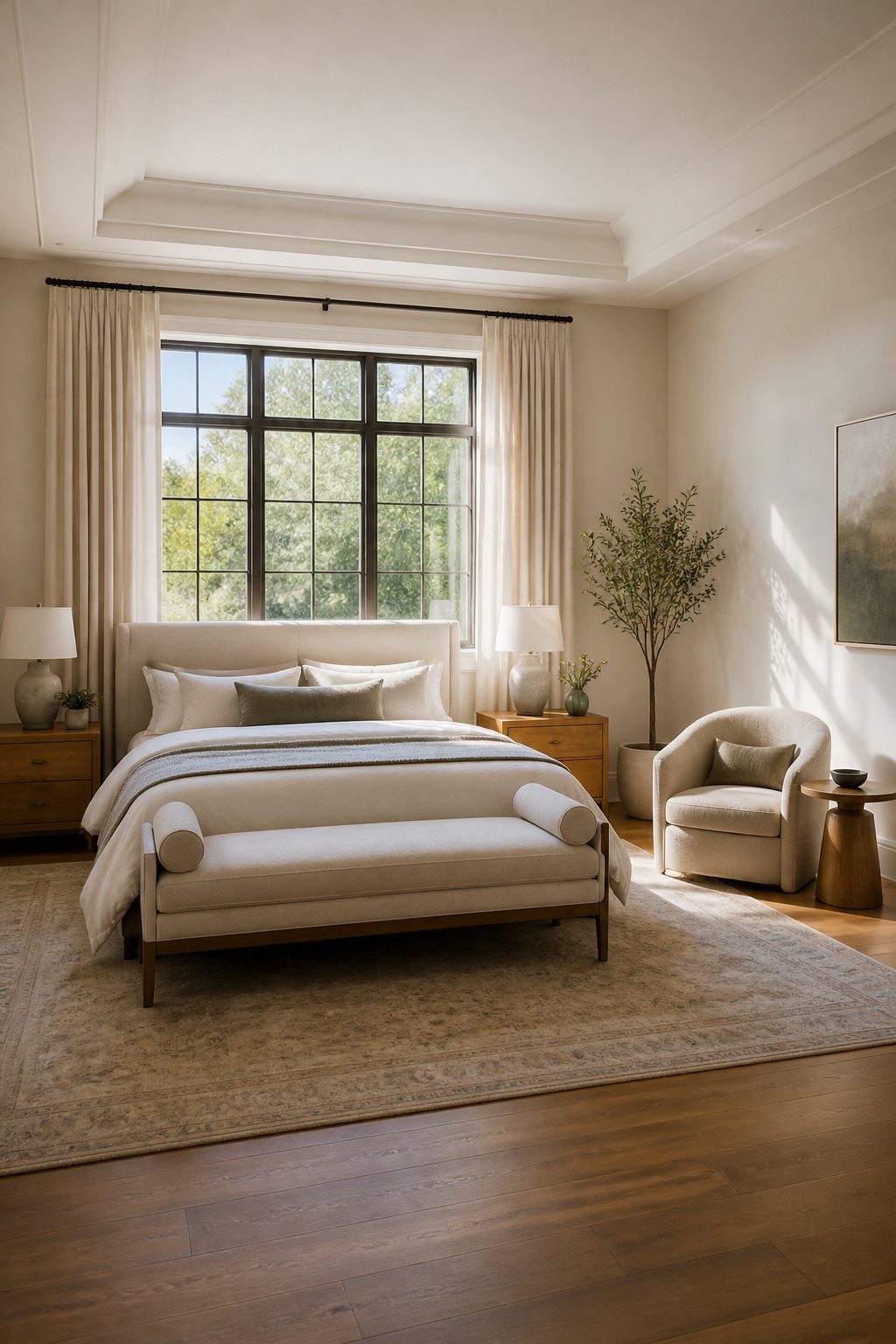
A bench at the foot of the bed finishes the wide line of a king mattress in a way nothing else does.
It gives you a place to sit while you sort laundry or lay out clothes for the morning without dumping everything on the duvet.
Keep the profile low and the length generous, because a short, narrow bench can look lost against that much bed.
Let it span enough of the footboard to read as intentional, not like something you drifted past at a flea market.
If you prefer a chair, tuck it into a corner away from the main walking path and angle it slightly toward the room.
You need enough clearance to use a small side table comfortably and enough space to walk past without sidestepping. The chair should feel like it belongs there, not like it is waiting for a real home.
I would skip anything that forces you to squeeze between the seat and the bed frame; that tight gap turns a retreat into an obstacle course every morning.
A settee works only if your room has the width. It demands the same low profile as a bench but more depth, so measure your floor space before you fall for one.
For most king bedrooms, the bench wins on function per square foot, and the chair wins if you actually plan to read in it.
9. Layer Lighting Thoughtfully
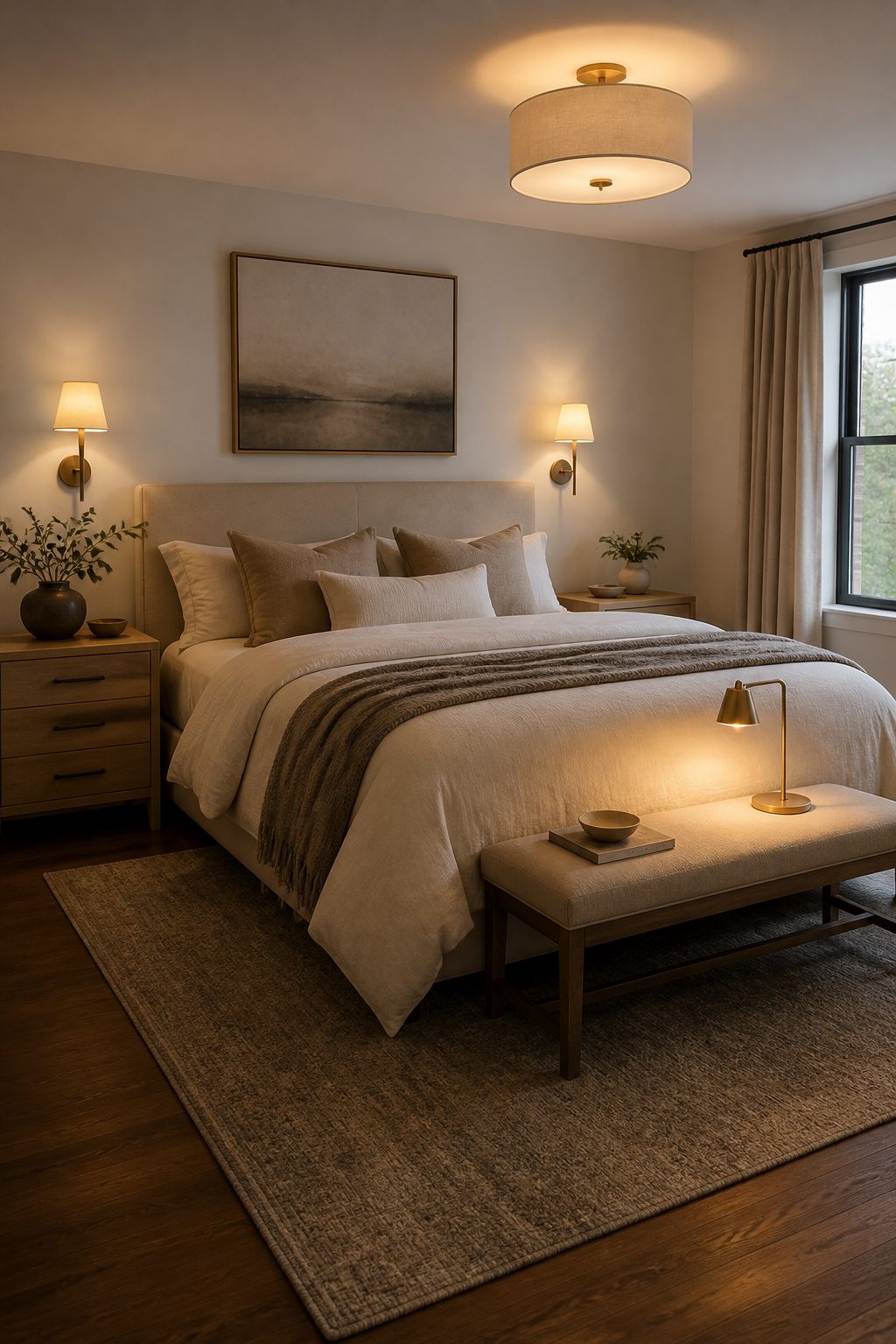
A single overhead fixture flattens a king bedroom into something closer to a hotel room than a retreat.
The fix is three layers working together: dimmable ambient overhead for moving around, wall sconces that free your nightstand surface, and a task light at whatever lounge element you added.
That last one matters more than people think. Reading in bed strains your neck over time; a chair or bench with its own light gives your posture a break and signals the room has more than one purpose.
Dimmer switches are the single most impactful lighting upgrade you can make for under fifty dollars.
Warm white bulbs support circadian rhythm, but the dimmer is what lets the same room shift from bright morning to late evening without a fight.
Install it on the overhead first; the sconces and task light can follow when budget allows.
Recommended Products

All Season Versatility: 7oz/yd² down alternative fill balances warmth and airflow so your body stays at the right temperature. MUXHOMO comforters queen size keeps you snug during chilly winters yet remains light and breathable enough for hot summer nights without overheating


Cozy Warmth: The Bedsure Striped Flannel Comforter Set features an incredibly soft flannel texture on both sides, wrapping you in cozy comfort through chilly nights. This cozy fleece linen bedding is a warm and thoughtful gift for women during the fall and winter seasons
10. Elevate With Art and Objects
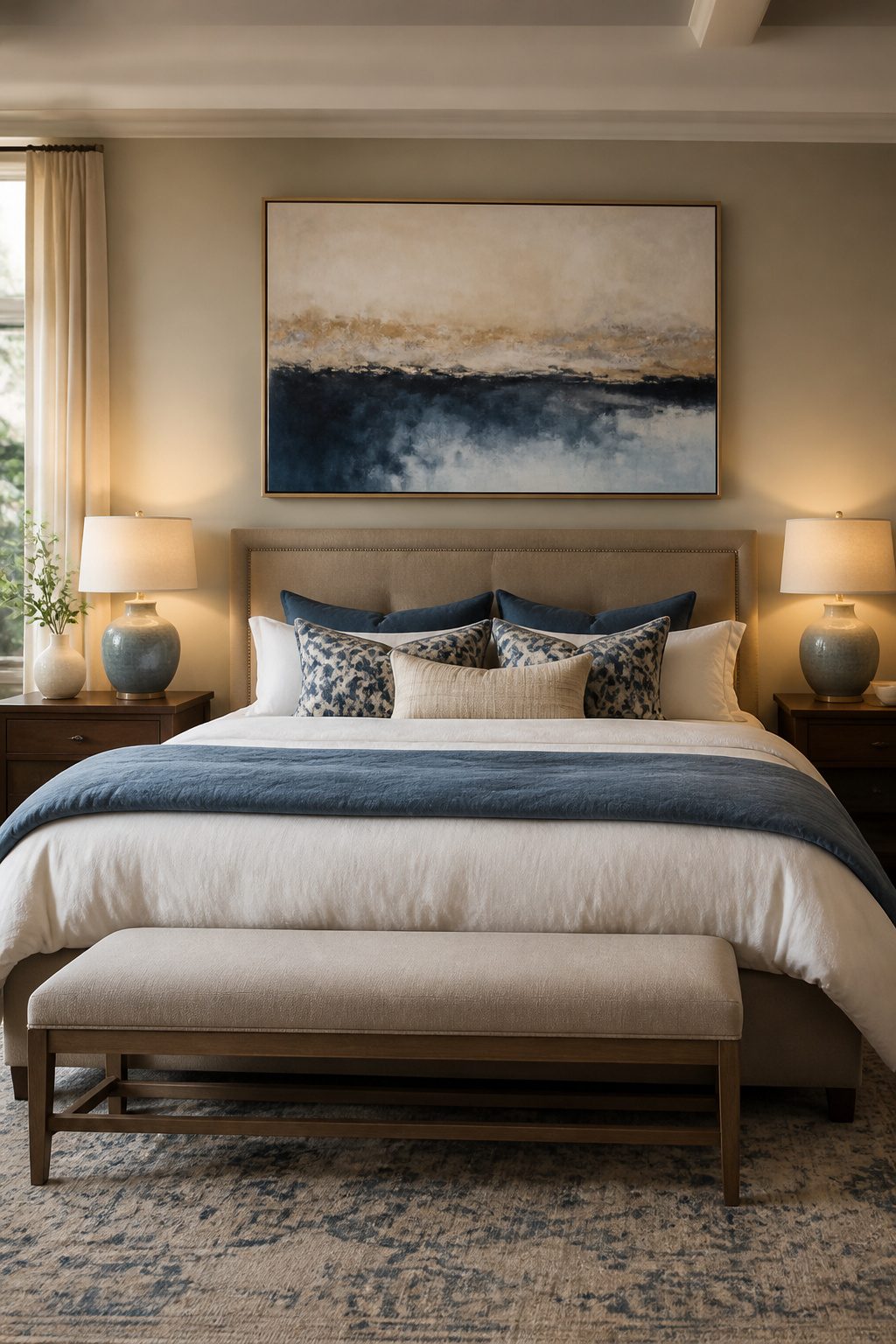
A king bed swallows small art. One wide piece, hung close enough to feel connected to the headboard, reads as intentional; a cluster of little frames reads as nervous at that scale.
I would test the outline with painter’s tape first, checking from pillow height and again from the doorway. If your eye lands on the art and the bed as one scene, the placement is probably close.
I would skip the gallery wall entirely over a king headboard. The bed itself is already the statement, and competing grids just add noise.
One substantial piece, with breathing room on both sides, feels chosen rather than squeezed. Repeat one color from the bedding in the art, but do not match it exactly; that slight difference keeps the room from looking like a set.
11. Incorporate Organic Shapes
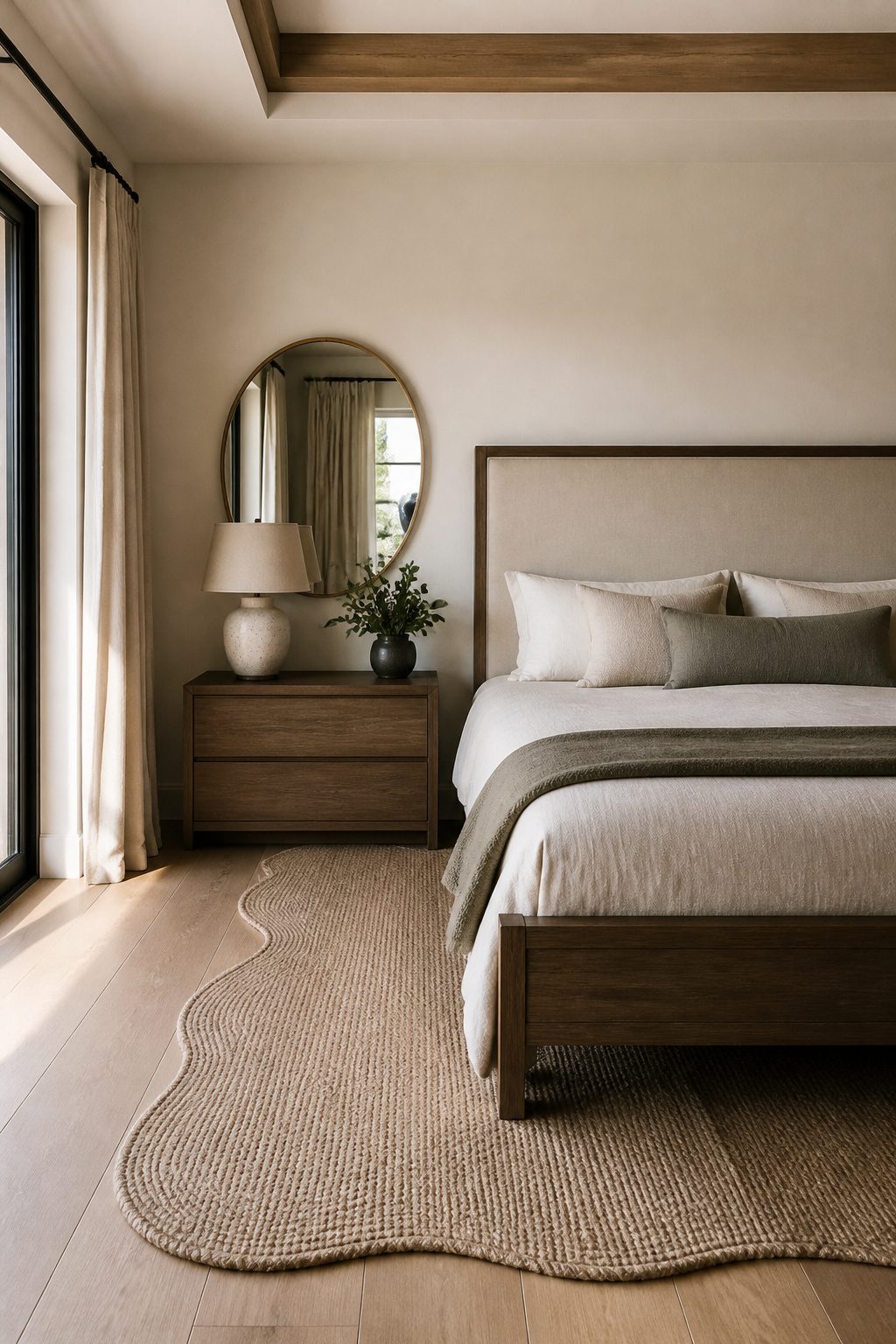
A king bed is a rectangle by definition, and most bedrooms are too. That geometry can feel rigid fast, which is why I look for one or two pieces that refuse to hold a straight line.
A rounded mirror above a dresser, a curved ceramic lamp on the nightstand, or a live-edge bench at the foot of the bed does enough softening that the room stops feeling like a diagram.
I keep the curves intentional and scattered, not clustered.
The bed frame itself stays straight; the nightstands too. If I start bending every edge, the room tips into theme-park rustic, the kind that looks like a lodge gift shop.
The rug beneath the bed can carry an irregular, hand-cut edge or an abstract, flowing pattern, but the walls and major furniture hold their right angles so the organic pieces read as relief, not decoration.
Irregular ceramics work best in threes on a floating shelf, where the eye catches the variation without a spotlight.
A live-edge piece, if I use one, anchors a single zone: a bench, a shelf, or a headboard accent, never all three.
The balance is rectilinear bones with organic punctuation. Straight lines do the work of structure; curves do the work of comfort.
12. Add a Touch of Dark Contrast
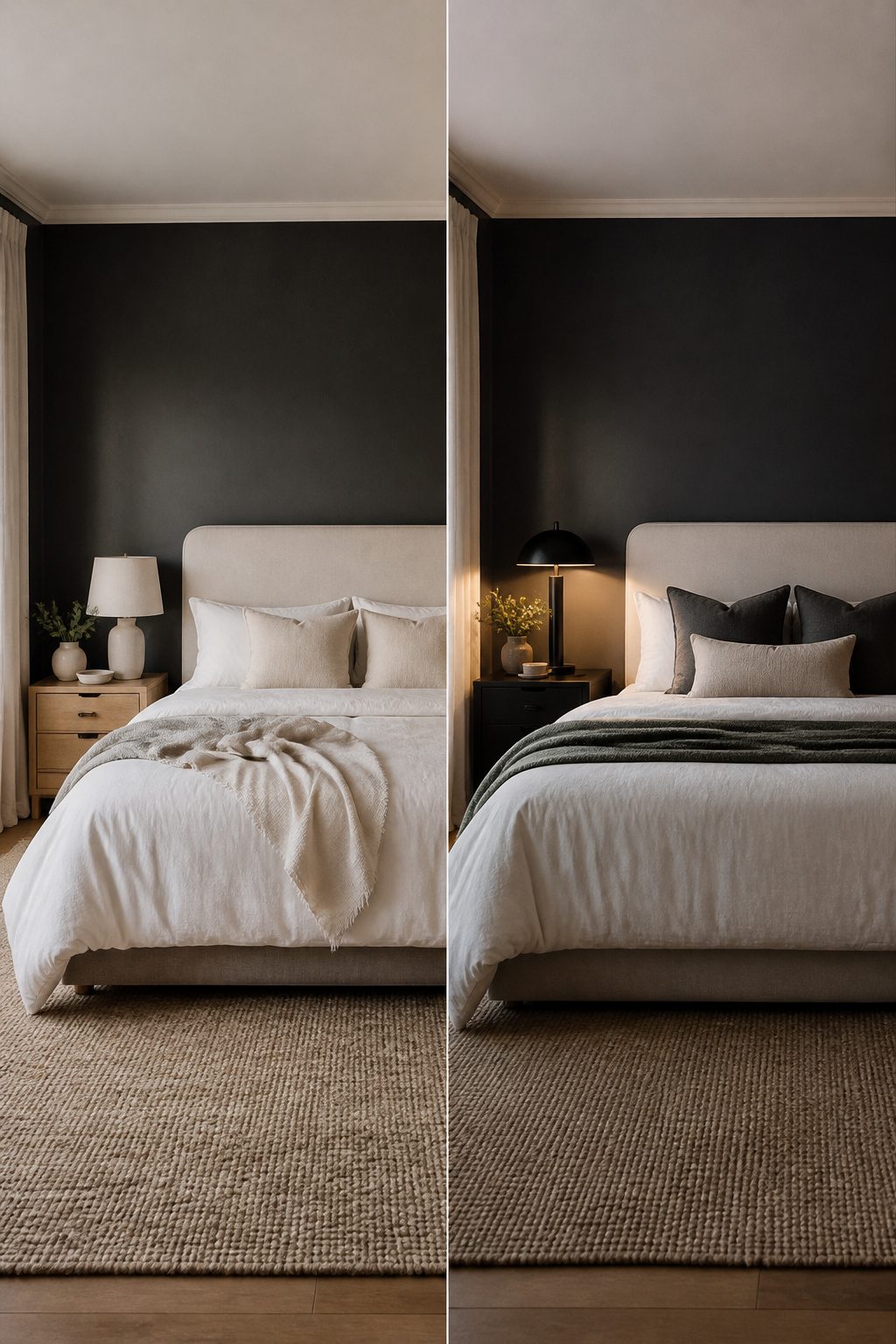
A charcoal wall behind the bed frames the king mattress the way a mat frames a photograph.
The bed already carries the visual weight, so the dark tone gives the eye a place to rest rather than another object to process.
I would keep it to that single wall and let the other three stay quieter; if every surface competes, none of them wins and the room feels busy at bedtime.
One deep accent is enough. A black metal lamp base or a dark-stained bench at the foot of the bed delivers the same punctuation without the commitment of paint.
In a room meant for sleep, moodier hues work best as anchors for lighter textures, not as the main story.
Too much dark brown, and the space starts to close in; too little, and the king bed reads as parked rather than placed.
The balance I look for is roughly one dark element against a field of cream or soft neutral, just enough contrast to draw the eye without asking it to work.
13. Choose Drapery Over Blinds
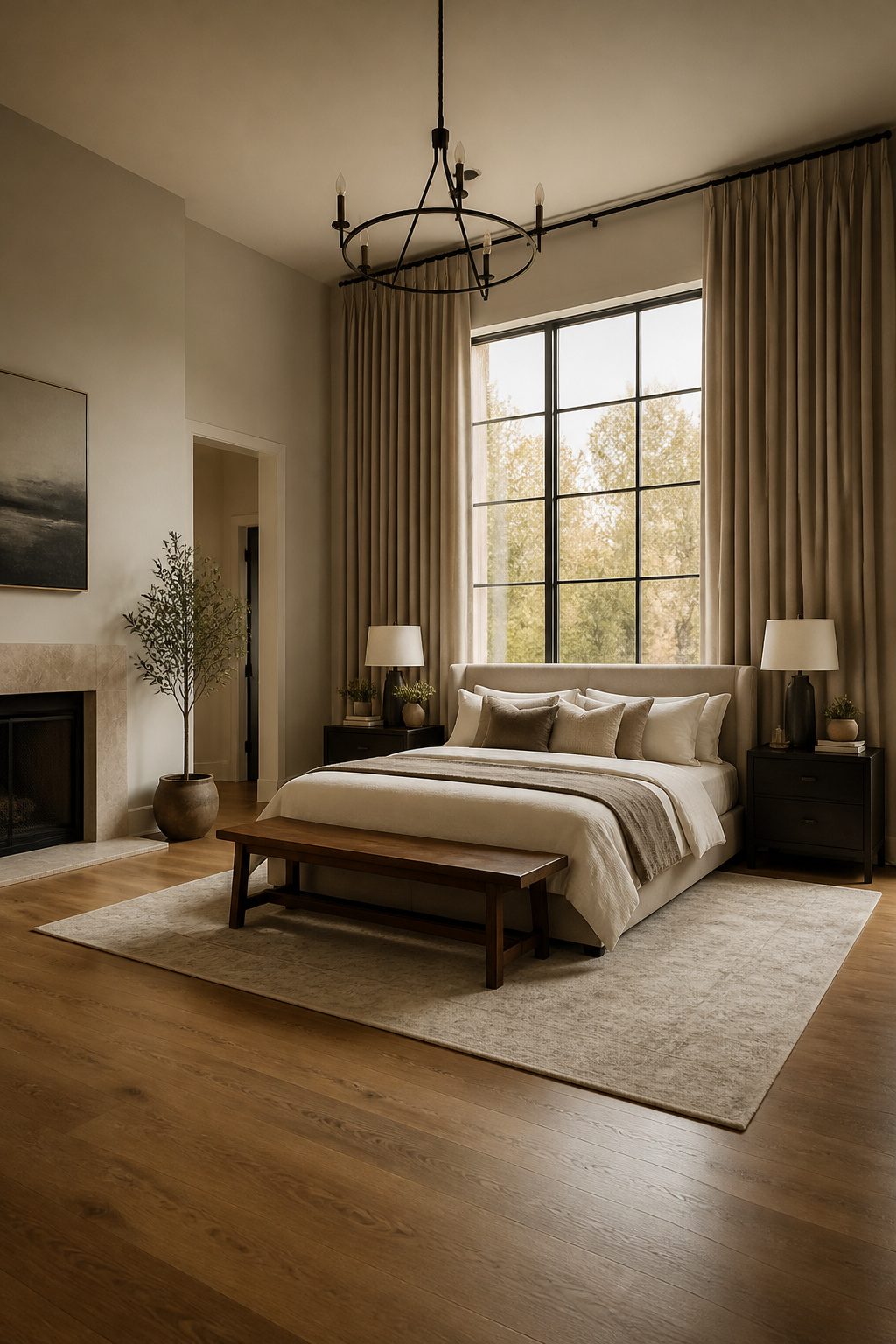
Floor-to-ceiling curtains frame a king bed the way blinds never manage to. The fabric draws the eye upward, softens the wall, and turns an ordinary window into a deliberate feature.
I would hang the rod closer to the ceiling than to the window frame; that single move buys the room a taller line without touching the drywall.
Extend the hardware 6–12 inches past the frame on each side, and the window itself reads wider, the wall more generous.
Fabric weight matters in a mountain bedroom.
A heavier drape blocks morning light and adds a layer of insulation against cold glass. Linen or cotton in a substantial weave gives the tactile calm that vinyl slats cannot replicate.
I would skip the romantic puddle on the floor unless daily life permits it; a clean break just above the baseboard looks finished and survives pets, vacuums, and dusty boots without constant fuss.
14. Keep the Bedding Tonal and Tailored
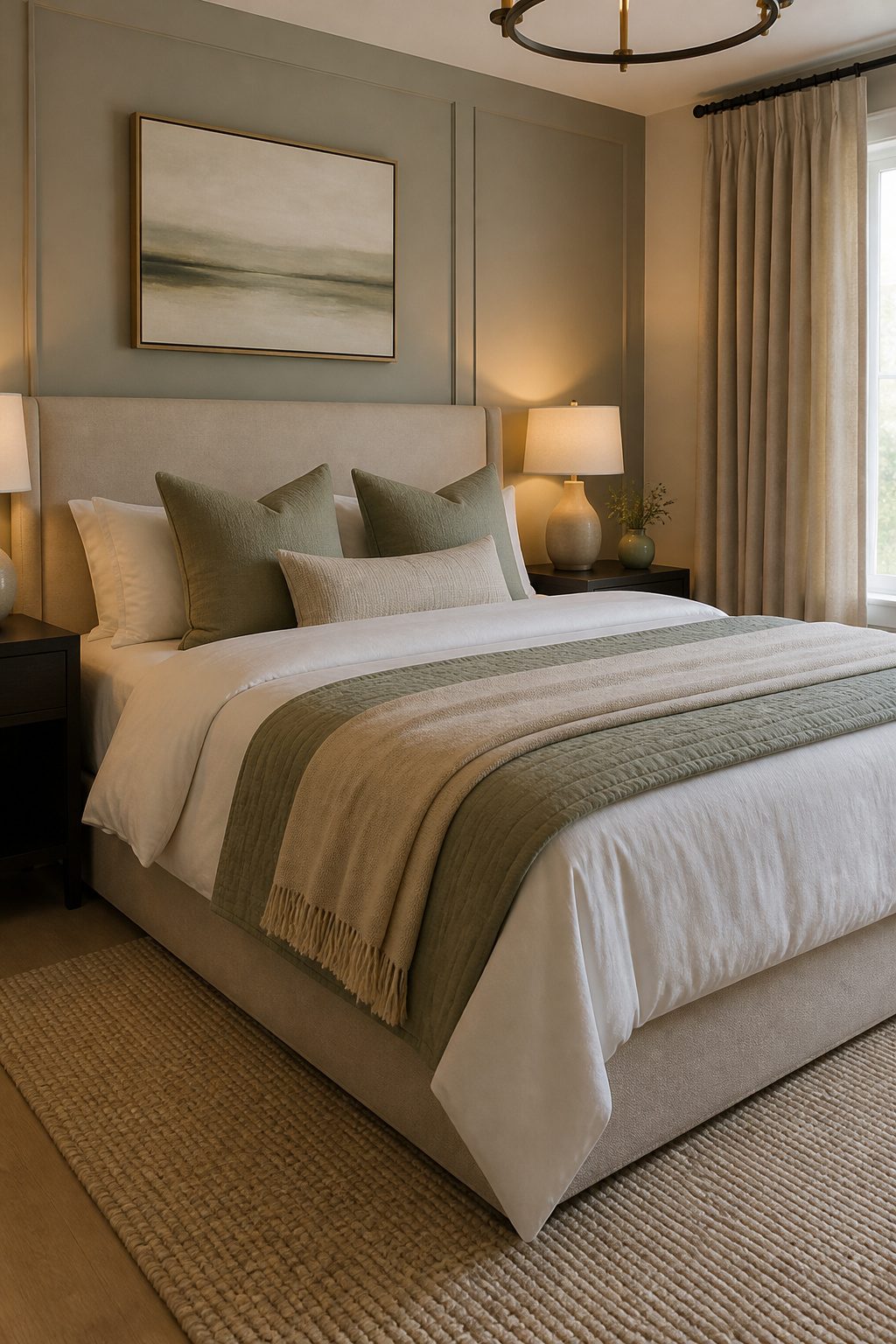
A king bed has more surface area than any other standard size, which means more space for bedding to go wrong.
Cream, beige, soft green, and gray work best when you keep them within a narrow tonal range rather than pushing for contrast. The eye reads the bed as one calm plane instead of a stack of competing blocks.
The tailored finish matters even more at this scale. Tucked corners and a fitted coverlet that stops at the frame, not pooling on the floor, keep the bed from looking like laundry day.
Excess fabric on a queen reads relaxed; on a king it reads sloppy, because there is simply more of it to notice.
A 2026 study analyzing over 3,000 bed purchases found that 56% of King Living customers preferred neutral tones, with warmer browns also on the rise.
Meanwhile, cooler shades such as grey and blue have steadily declined, reflecting a broader shift toward natural, earthy hues in the bedroom.
High-quality bedding in layered, muted tones gently echo the room’s palette. Crisp white sheets, sandy throws and stone-toned cushions introduce harmony and comfort. Tailored details such as a structured bedspread or matching pillowcases add refinement.
That 56% figure tells me most buyers already land where I would: warm, quiet layers that do not fight the walls.
I would skip the throw pillows past the two you actually sleep on. Each extra one adds visual weight, and a king bed carries enough already.
15. Finish With a Personal Touch
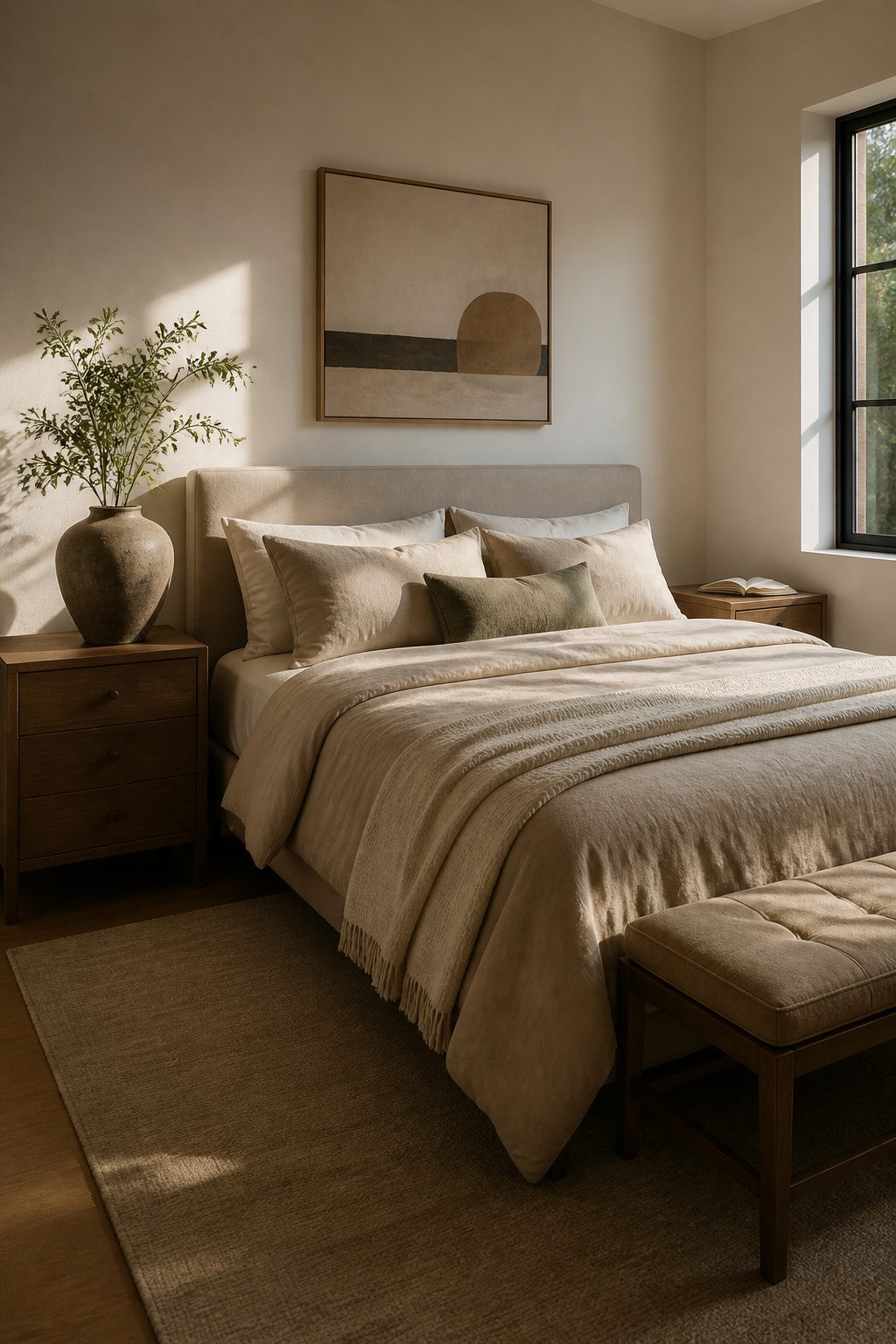
The last layer in a king bedroom is the one most people rush: the small thing that actually belongs to you.
A hand-thrown ceramic on the nightstand, a photograph from a trip, a book left open to a page you actually read. These objects do more than fill space; they signal that someone lives here, not that a shoot just wrapped.
The discipline is in stopping.
One ceramic and a stack of two books reads collected. The same ceramic plus five books, a tray, a candle, and a diffuser reads staged, no matter how expensive each piece was.
Leave the second nightstand almost empty; the asymmetry draws the eye to the single object that earned its spot.
Travel souvenirs work best when they carry weight or texture: a smooth stone, a small textile, a found vessel. Lightweight souvenirs, ticket stubs pressed into frames, read like you are trying to prove you went.
The same rule applies to photographs. One framed print, slightly too large for the surface it sits on, holds more presence than a grid of six.
If nothing you own feels right yet, keep looking: the hunt is part of settling in.
A bedroom finished in a weekend looks like it. Let one surface stay bare until you find the piece that justifies its place.
Frequently Asked Questions
How big should a bedroom be for a king bed?
You need at least 12 × 14 feet to fit a king bed plus two nightstands and a dresser without turning movement into a shuffle.
That extra 16 inches of width over a queen changes every decision that follows. Allow 60–75 cm of clearance on all sides as the minimum for comfortable walking space, and push toward the upper end if two people share morning routines.
How can I make a king bedroom feel cozy rather than cold and oversized?
Layer warm textiles like linen and velvet, add timber elements with a matte or satin oil finish, and use warm 2700 K lighting to keep the room from turning sterile.
An upholstered headboard absorbs echo and softens the wall behind the bed, while organic shapes such as a curved lamp or live-edge bench break up the rectangle geometry that can feel rigid fast.
What headboard height looks best with a king-size bed?
A headboard 54–64 inches tall hits the right balance against a king mattress. Below that range the bed starts to look underscaled in a room that needs to hold it; above it the piece dominates the wall like a stage set.
That height reads at the same scale as the mattress so the bed area feels grounded rather than floating.
Should king bedroom furniture all match in a coordinated set or mix?
Mix complementary pieces instead of buying a matching set.
Two nightstands with similar height and visual weight read as a pair even when they are not identical, and two warm woods plus a neutral keeps the room from looking like a furniture showroom.
The match does not need to be perfect; symmetry calms the space even with variation.
What is the most impactful single upgrade for an existing king bedroom?
An oversized upholstered headboard delivers the most dramatic transformation instantly. It changes how the whole room reads, absorbs echo that hard surfaces throw back, and prevents a large mattress from looking like it belongs in a showroom or hospital wing.
Fabric-wrapped side rails extend the same logic so you are not bumping cold metal when you make the bed.
What size rug works best under a king size bed?
A large rug extending visibly beyond both sides of the bed succeeds better than a small accent rug.
It needs to provide a comfortable surface around the lower portion of the bed; too small and the rug gets lost against the mattress scale.
The rug can carry an irregular, hand-cut edge or abstract flowing pattern to soften the room’s rectangle geometry.
What colors work well with a king size bedroom?
Cream, beige, taupe, warm brown, soft gray, and muted green create a calm foundation, kept within a narrow tonal range rather than pushing for contrast.
A 2026 study of over 3,000 bed purchases found 56% of customers preferred neutral tones, with warmer browns rising while cooler shades like gray and blue declined. Let materials supply the contrast instead of competing colors.
How many pillows should go on a king bed?
Two sleeping pillows, two larger shams, and one long lumbar pillow fill the width without turning the bed into a nightly excavation.
Each extra pillow adds visual weight, and a king bed carries enough already. Practical bedrooms benefit from enough layers to look finished without making the bed difficult to use every evening and morning.
How to decorate a king size bedroom?
Balance scale, storage, lighting, texture, and walking space so the room feels intentional rather than oversized.
Start with the bed as the single statement piece, keep nightstands at one-third to one-half the bed’s width, layer three types of lighting, and finish with one personal object per surface rather than clustered displays.
The rooms that feel like a retreat get the space around the bed right, not just the bed itself.