
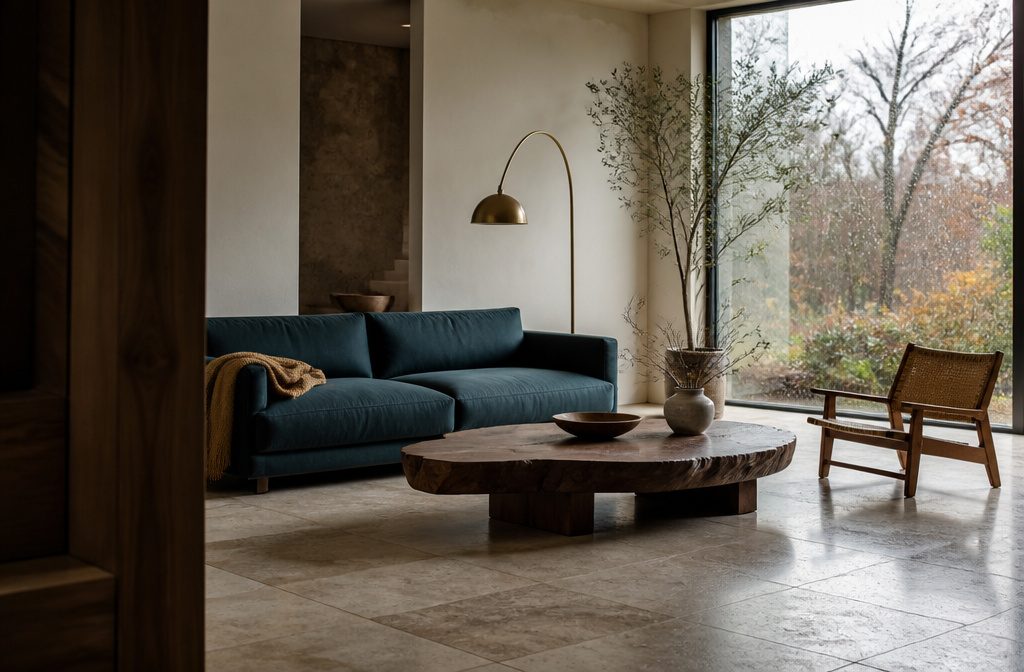
Contemporary living rooms span from cool minimalism to warm, textured spaces built on the same clean geometry. The shift depends on whether you layer in natural materials and softer finishes or keep the palette strictly neutral and the surfaces hard.
The room stays contemporary either way, but warmth requires deliberate choices.
Walnut furniture, linen upholstery, and wool throws soften the straight lines without disrupting them. A sculptural coffee table in chunky wood or natural stone anchors the center and pulls focus without adding clutter.
Lighting matters more than most expect: recessed fixtures alone read flat, but a curved floor lamp or an oversized pendant beside an accent chair changes the mood entirely.
1. Use Clean Lines and Simple Forms, Softened by Curves
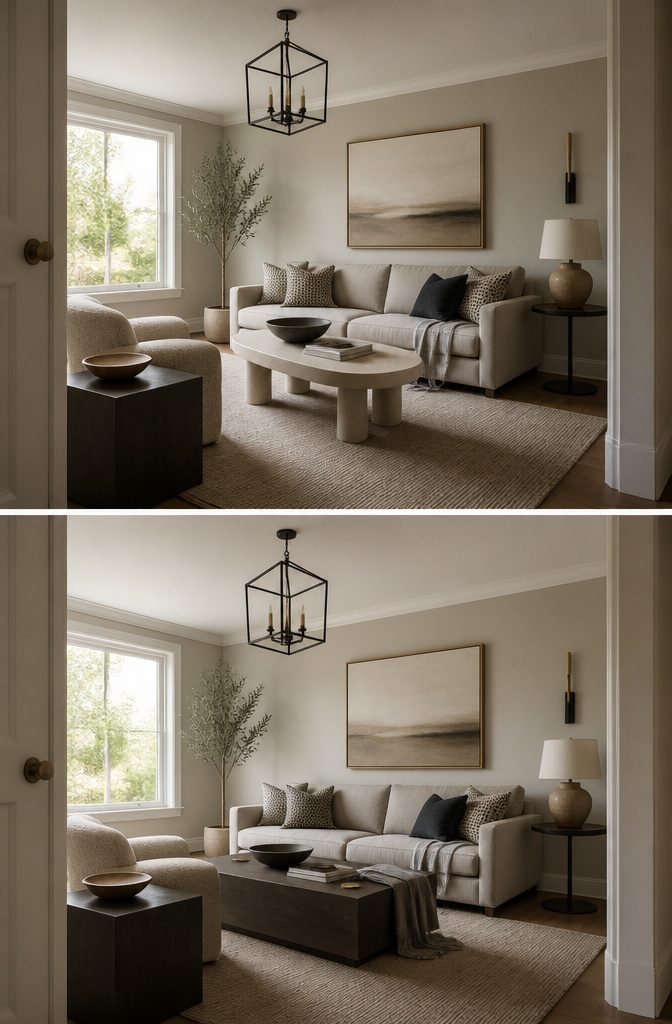
Contemporary rooms rest on straight, uncluttered shapes — rectangular sofas, boxy side tables, sharp-angled coffee tables — but curves keep them from reading cold. A rounded coffee table softens a linear sofa.
A sculptural chair with curved arms balances a rectangular TV stand. A round side table breaks up a wall of straight architectural lines and gives the eye somewhere to rest.
Geometry still shows up in the details: patterned pillows, the frame of a light fixture, the legs of an accent chair.
The mix gives the room visual movement without adding clutter. Where modern design leans into stark lines throughout, contemporary design pairs the clean structure with enough soft edges that the space feels organized but not rigid.
Recommended Products

Modern Fluted Design: Featuring a soft round silhouette with dimensional fluted detailing, this round coffee table delivers a clean yet visually layered look. The natural wood-grain finish adds warmth and texture while remaining practical for everyday living. Its versatile style blends seamlessly into living rooms, home offices, apartments, and smaller spaces.

Elegant Walnut-Toned Oval Coffee Table - This unique coffee table features a sleek oval design in a warm walnut finish that adds elegance to any living room. Its modern shape breaks away from the monotony of traditional square or round tables, offering a visually flowing, simple, and warm feel that complements a wide range of home decor styles.
2. Build a Neutral Base, Then Choose Whether to Add Color or a Moody Contrast
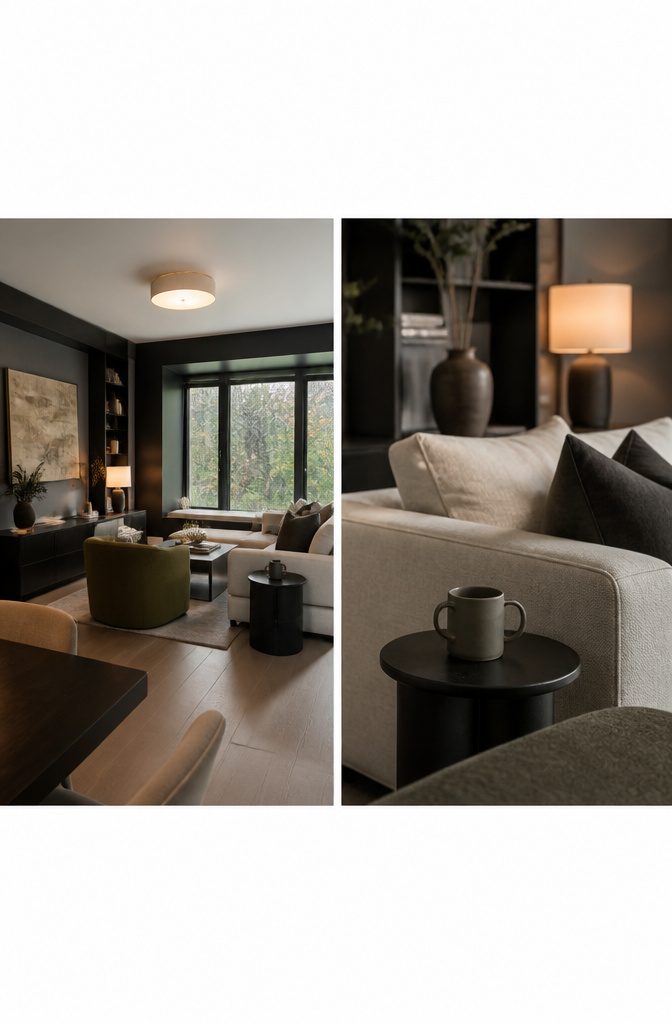
A neutral palette starts with beige, white, grey, and black as the foundation. That palette reads calm rather than busy, and it gives you room to decide what comes next.
You can layer in pops of color through pillows, a single piece of art, or an accent chair—whatever adds personality without fighting the base.
The alternative skips brightness altogether and leans into darker neutrals: charcoal, espresso, deep brown, olive, smoky gray. That shift creates a moodier version of the same style.
If you go dark, balance it with warm lighting and lighter upholstery so the room doesn’t feel closed in. Both approaches work; the split is whether you want the space to feel open and bright or grounded and enveloping.
Recommended Products
INSTANT FRESHENING: Quickly give hard-to-wash fabrics a pick me up with our Fabric Spray. Adds a freshness and fights odors on fabrics in your home.

DUAL-LAYER THICKEN CONSTRUCTION: Unlike ordinary faux linen that snags and wears thin, our fabric is engineered with a unique two-layer composite for superior durability. This innovative build ensures it withstands daily use, resists pet claws, and won’t develop holes, offering peace of mind where other fabrics fail. Experience the resilience of a truly heavy-duty upholstery material.

Removes Both Oil & Water-Based Stains
3. Bring Warmth Through Natural Materials and Texture
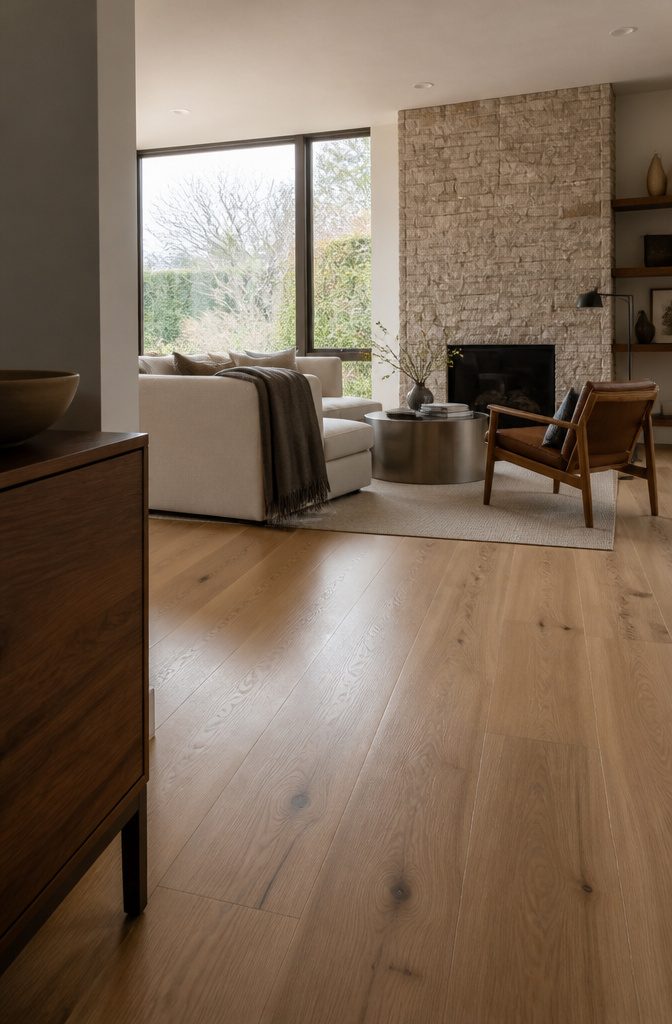
Clean lines feel cold when the room is all hard surfaces, but wood, stone, and woven textures change that.
Natural oak floors give you warmth underfoot without adding pattern, and walnut furniture—tables, consoles, shelves—brings depth that white and gray alone can’t.
Stone surfaces on an accent wall or fireplace surround hold up to the modern geometry while reading less industrial than concrete.
Textiles finish the correction.
Wool throws, linen-like upholstery, and leather seating add give where the architecture stays firm. The organic variation in real materials plays against the precision of straight edges, so the room feels sophisticated without going sterile.
If you want richer contrast, espresso or deep brown wood works with cream upholstery and brushed metal—coffee table, media console, or bookcase will do it.
Recommended Products

Full-Range Stepless Dimming: Unlike traditional non-dimmable lamps, our floor lamp features seamless dimming from 0-100%. Turn the convenient knob to set the perfect brightness for any activity or mood in your living room or bedroom.
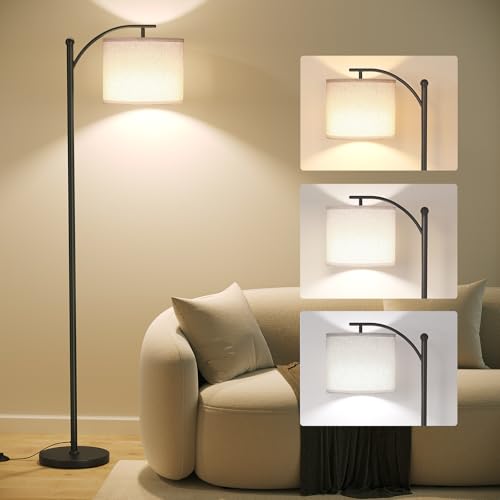
【3 Color Temperature LED Bulbs Included】SUNMORY Modern Floor Lamp includes a 9 watt,800 lumen, LED E26 bulb.This arc floor lamps bulb has 3 color temperatures that can be adjusted:3000K/4000K/5000K.You only need to press the foot switch to switch the arched floor lamp to different color temperatures, freeing your hands,black floor lamp can create different atmospheres for you.This floor lamp is perfect as a reading lamp,office lamp,or lamp for living room.

Ultra Bright Lighting: Unlike other traditional floor lamps which are not bright enough, our bright floor lamp up to 2000 lumens is enough for reading and working in the living room or bedroom, illuminating any corner of your room. 20 watts LED arc floor lamps(100W Equivalent), with 50000hrs Long lifespan, you don't need to bother to replace any bulbs, bringing more convenience and brightness to your daily needs.
4. Choose Furniture for Comfort, Function, and Flexibility
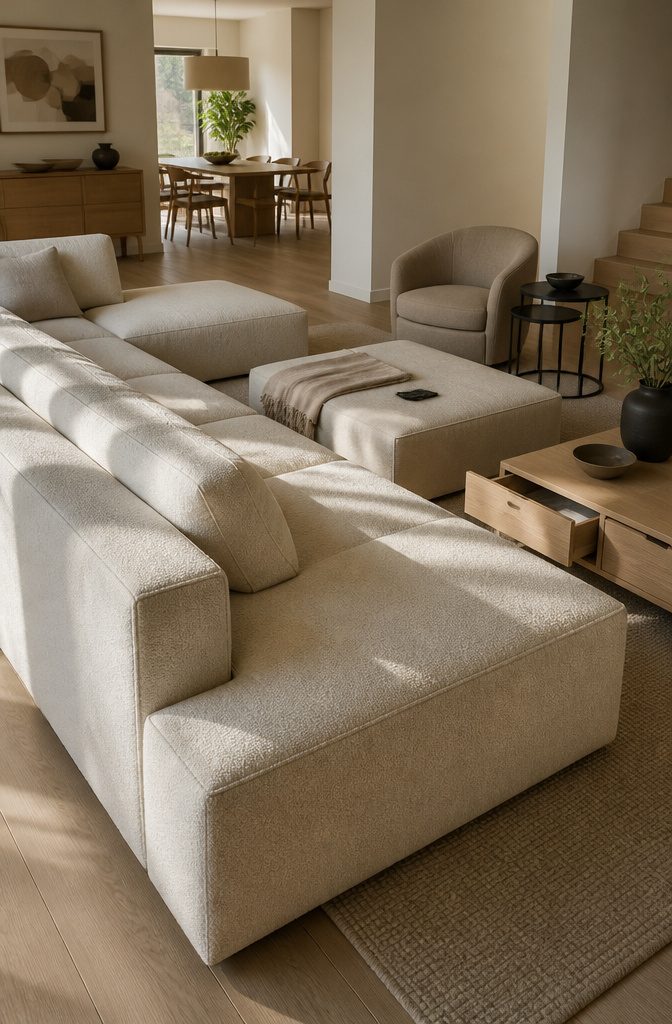
Contemporary living room furniture earns its place by doing something, not just looking the part.
Ottomans with compartments inside, coffee tables with drawers, and sectional sofas you can break down and reconfigure all let the room adapt when you need it to rather than locking you into one layout.
Modular sofas are the backbone here — pull sections apart for a party, push them back together for a movie night, and you’re not stuck rearranging a single block every time the room’s job changes.
Upholstery matters more than the frame’s shape. Bouclé, performance linen, and high-quality synthetic fabrics hold up under actual use and still keep the clean lines contemporary rooms need.
Look for low-profile pieces with straight arms and a platform base instead of exposed legs; the grounded silhouette reads calmer than furniture that looks like it’s standing on stilts.
Nesting tables and sculptural swivel chairs give you options when you need them and disappear when you don’t. I’d rather have three pieces that move with me than six that don’t.
Recommended Products

Fit for duct opening size: 4" x 10", overall size of flush mount vent with frame: 6-3/4" x 12-1/4", thickness is 3/4 inch. please kindly read size information in listing picture before you make decision to buy this floor register.

Use on wood, cork, tile, resilient, and other hard surface floor coverings.

Superior cleaning performance: Ready-to-use refill removes dust, dirt, and grime from hardwood to reveal natural shine while cutting through everyday soils for a professional-looking clean; ideal for spot cleaning and full floor cleaning
5. Make a Coffee Table a Focal Point
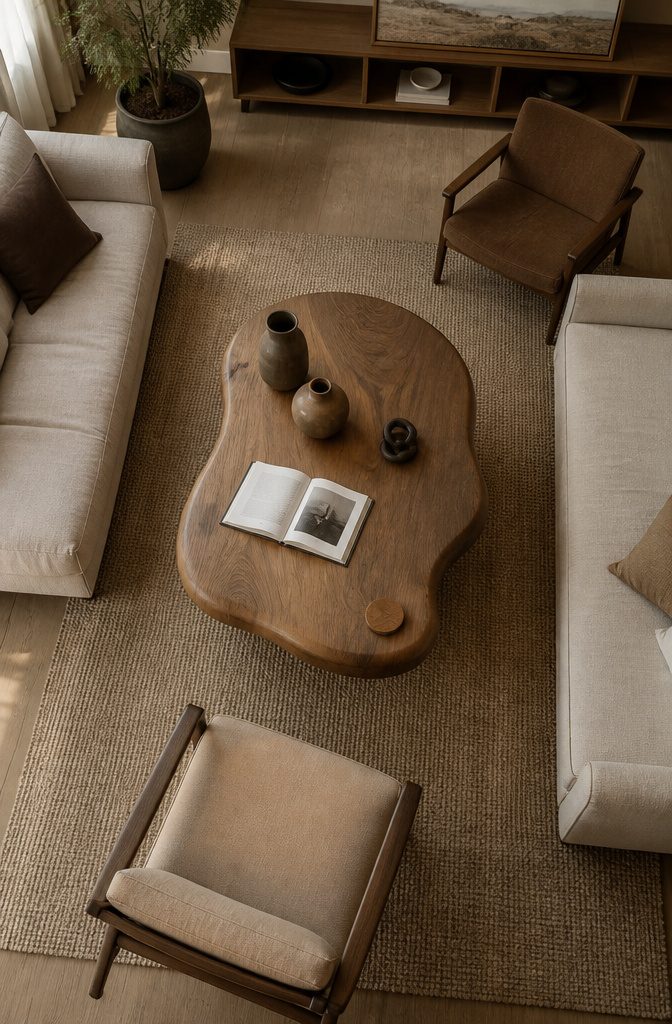
A coffee table with a sculptural base or an unusual material—chunky wood, natural stone, or a silhouette that reads more like furniture than filler—pulls the eye to the center of the room and holds it there.
When the table itself is the statement, the sofa and chairs around it can stay simple. That balance lets one piece do the work of three.
If replacing everything feels like too much, start here.
Swapping the coffee table for something distinctive shifts the whole composition without touching the walls or the seating. A single visual anchor updates the room faster than repainting, and the surrounding furniture suddenly looks intentional instead of provisional.
The surface itself matters less than what sits on it.
A set of organic vases or one sculptural object gives the arrangement a focal point without crowding the table. Keep the count low and the lines clean, and the piece underneath gets to be what people notice first.
Recommended Products

TRY A SAMPLE KIT FIRST — Many customers choose to review a Sample Kit before purchasing full cartons. Search Amazon for "AirStone Spring Creek Sample Kit." Each kit contains full-size AirStone stones, with one stone representing each individual color within the blend, so you can preview the true color, texture, and natural stone variation in your own home lighting before ordering larger quantities

Immersive 3D Depth & Realistic Texture: Transform your space with dramatic cement-like texture and deep dimensional relief. Our panels create captivating focal walls in living rooms, bedrooms, offices, or entertainment areas—instantly elevating any interior with modern character

3D faux brick wall panels are made of high quality PE foam.Tasteless, non-toxic, formaldehyde free, no release of harmful substances.The surface is waterproof and dustproof, easy to clean.
6. Use Sculptural or Statement Lighting
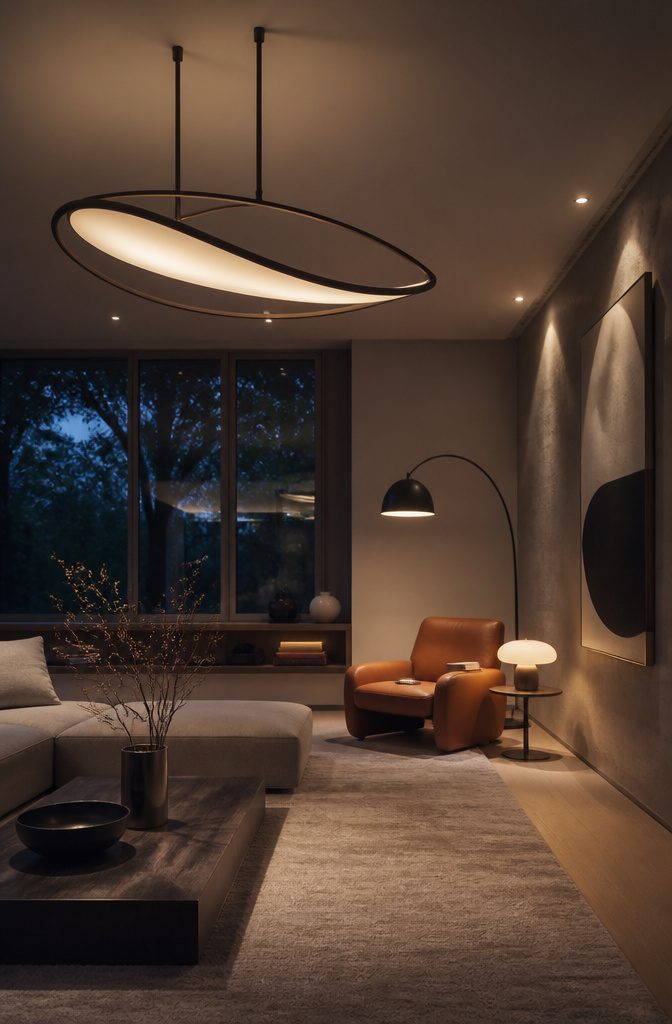
Lighting in a contemporary living room does more than fill the space with brightness. It sets the mood and acts as a visual anchor.
Layer three types: general lighting from recessed fixtures or a ceiling mount, task lighting from a floor or table lamp where you read or work, and accent lighting to highlight art or architectural detail.
Start with ambient light as the foundation, then build in the others where the room needs them.
A sculptural fixture pulls double duty.
An oversized pendant, a curved floor lamp, or a globe-shaped piece adds personality when the furniture stays neutral. Put a statement floor lamp beside an accent chair to mark a reading corner with presence.
Smart lighting controlled by voice or app replaces banks of switches and keeps the walls clean. Dimmers let you adjust the brightness for the occasion without rewiring anything.
Recommended Products

【Modern Coffee Table】The living room tables have a refined aesthetic look; a unique triangular frame; soft, rounded edges, blending modern & simple styles. Adds funky flair to a living room or apartment, great for elevating small spaces

Sculpted Character, Curated Room: The MARIEL Collection coffee table features turned-column detailing for artful charm. Its refined transitional silhouette pairs easily with matching tables and chairs for a cohesive, curated look

【MDF DENSITY BOARD】The desktop of nesting coffee table is made of high-quality MDF density board, which ensures long-term use without deformation, and is waterproof, scratch-proof and collision-proof, which can perfectly resist daily wear and tear.This side tables and coffee table set is not natural wood. Please choose carefully before buying.
7. Use Art or a Gallery Wall to Add Personality
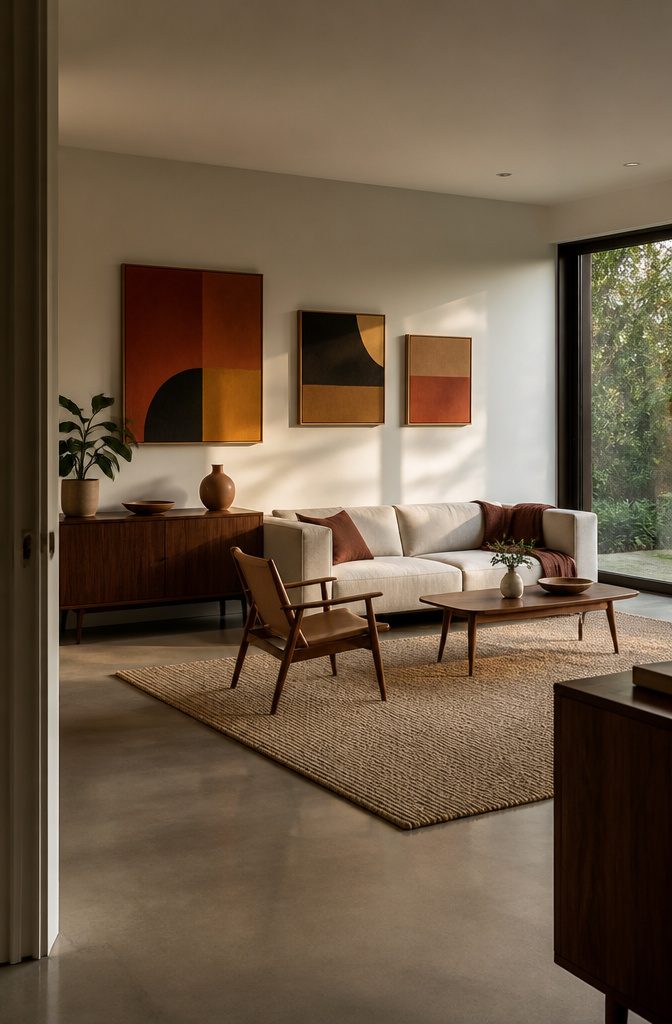
A single large-scale print on the main wall can anchor a room that otherwise stays quiet. Abstract work, bold photography, or graphic composition—any of these pulls focus and gives the neutral palette something to orbit.
In a room built on restraint, the art does not compete with pattern or trim; it stands alone and defines the mood.
A gallery wall works when you want more than one voice in the frame.
Mix abstract portraits with geometric prints, but keep the arrangement deliberate: either stay black-and-white for high contrast or match the art palette to your existing colors for cohesion.
Vary the sizes and styles without crowding—three to five pieces often read more clearly than nine.
Retro references add warmth without ornament. Mid-century modern silhouettes—Bauhaus-inspired geometry, color-blocked abstracts—pair well with ’70s tones: burnt orange, mustard yellow, retro red, and deep brown.
A framed poster or a print in those shades brings personality to a beige or grey base, and the decade’s palette holds up against contemporary furniture better than you would expect.
Recommended Products

Doesn't just mask, fights odors

STRIP SPECIFICATION, CUTTING FLEXIBLE:With how much to cut how much, perfect repair of various sizes of damaged area. Simple and convenient operation, fast repair furniture in 1 minute, paste the old sofa can be used as a new sofa, sofa repair patch with good repair effect at the same time can maintain the furniture beautiful

【Premium Fabric】Crafted from 100% polyester, tough texture, able to withstand a certain degree of pulling and friction, not easy to break
8. Mix Materials and Finishes
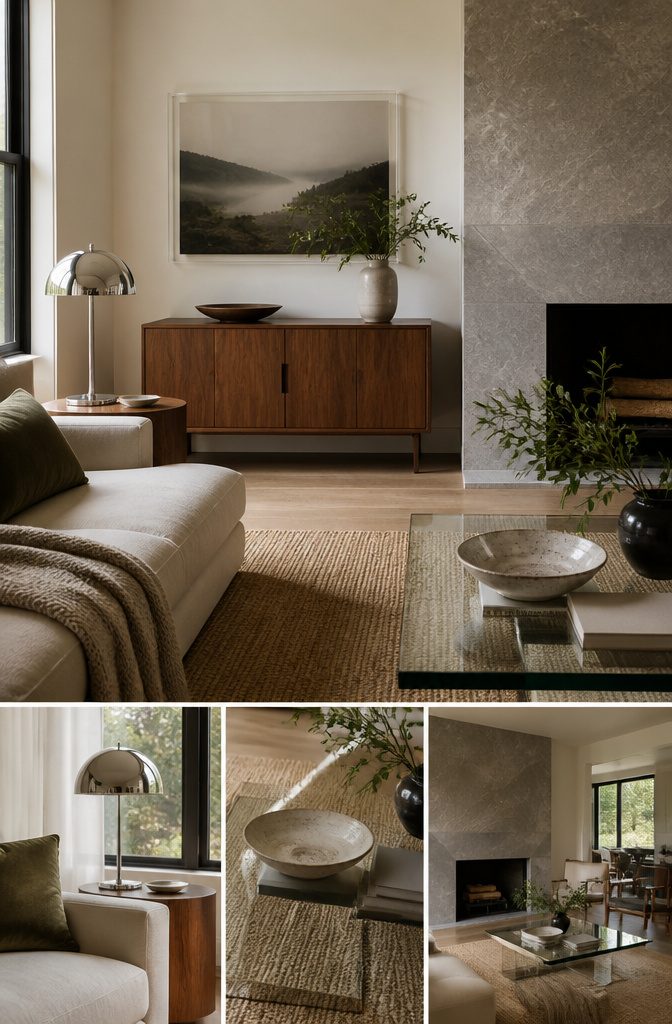
Wood floors meet glass tables meet metal legs, and that layering is what keeps a contemporary room from reading flat.
Pair smooth surfaces with tactile ones—velvet on a sofa against chrome on a lamp base, bouclé throws over leather seating, a walnut credenza under acrylic frames.
The precision of metal and glass reads modern; the grain and give of wood and textiles soften it into something you want to sit in.
Stone works the same way.
A floor-to-ceiling stone fireplace or stone-look surface brings weight and texture where everything else stays light. The natural variation in stone or wood grain gives the eye somewhere to rest between all the clean lines.
I look for rooms that mix at least three materials in view at once—chrome pendant, linen cushions, oak side table—so no single finish dominates and the contrast does the work of adding depth without adding clutter.
Recommended Products

Modern Floor Lamp with 0-100% Fully Dimmable Brightness :Compared to traditional non-dimmable living room floor lamps, our unique floor lamp offers a full stepless dimming function(0 - 100%), making it adaptable to various room styles and lighting requirements you need. This gold floor lamp has a convenient knob switch – simply twist it to customize your favorable lights of floor lamps for living room and bedrooms

【Dimmable 3 Color Temperatures&Fully Adjustable for Light Direction】 Unlike standard lamps, our arched floor lights includes a premium Dimmable LED Bulb. Moreover, The bright lamp with 3 color temperatures (3000K Warm, 4500K Natural, 6500K Cool) and It can be curved horizontally up to 350° and vertically up to 90° to direct light to create the perfect atmosphere for movie nights, reading, or working.The lighting match any activity or mood instantly Memory function saves your last setting

Classic & Modern Arc Floor Lamp: This arched floor lamp has smooth curves and delivers mid-century modern style to your space. Combining classic with modern appeal, the standing lamp fits seamlessly into any decor. The floor lamp is supremely versatile no matter where you place it, you could use it as a reading lamp,office lamp or lamp for living room.
9. Keep Decor Intentional Rather Than Cluttered
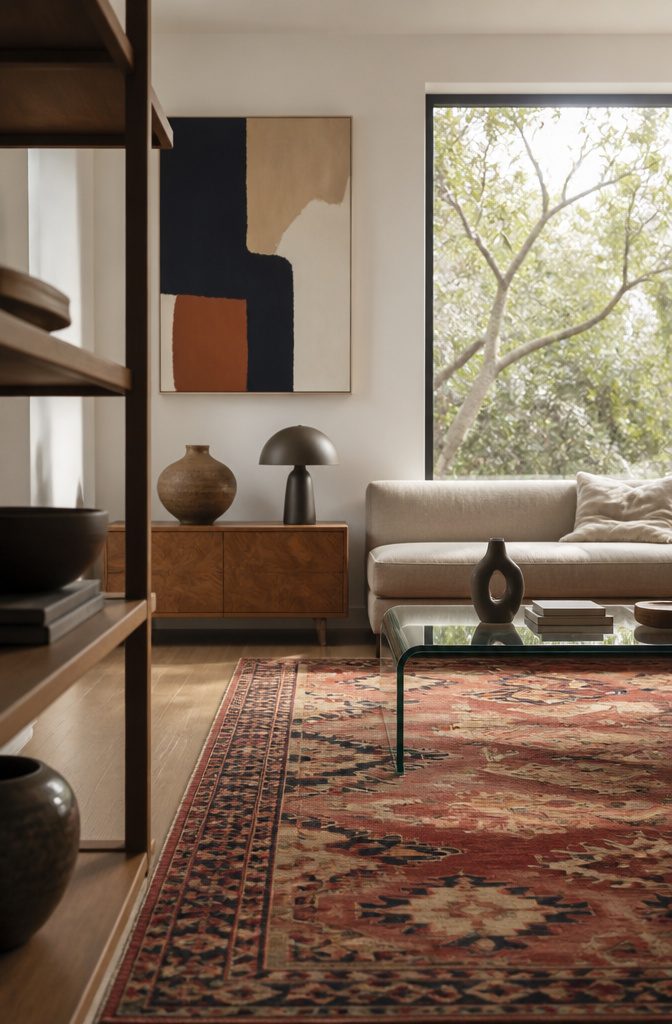
Accessories in a contemporary living room answer to the same editing your furniture does. I keep surfaces mostly clear — the coffee table holds a small stack of books or a single sculptural piece, not five things competing for attention.
A console might carry one vase, a lamp, and nothing else. The room breathes when you leave space between objects rather than filling every horizontal plane.
That restraint does not mean sterile.
Personal objects keep the space from reading like a showroom: a piece of statement art you actually care about, a set of organic vases that pulled you in, one vibrant rug if the rest of the palette stays neutral.
The contemporary approach has left cold minimalism behind, and the proof sits in what you choose to display. A sculptural accessory or a well-made item with simple lines does more than three safe ones would.
The quality-over-quantity rule holds even when the style lets in personality. I would rather see one strong piece on a shelf than a lineup of small decorative objects that blur together from across the room.
Recommended Products

This product is not a floor cleaner

PROFESSIONAL WOOD FILLER – Minwax Color-Matched Wood Filler is a high-quality, no-sand solution for defects in finished wood.

EXACT MATCH MARKERS: Covers scratches, scuffs and damage to wood furniture and flooring
10. Connect the Room to Nature
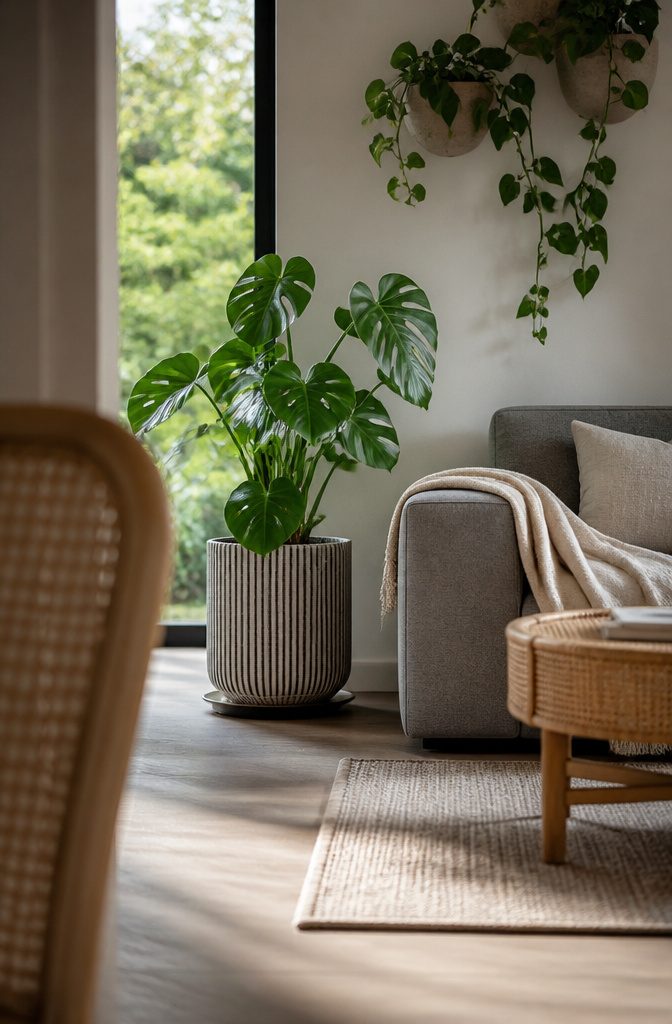
Plants soften the clean angles of contemporary design without cluttering it. A Monstera Deliciosa in a striped planter works next to woven cane furniture or solid gray upholstery—the contrast between organic leaf shapes and geometric forms keeps both readable.
Trailing varieties like pothos and string-of-hearts fit tight corners or vertical space where floor plants would crowd the layout.
Wall planters take pressure off surface area. Mount a few at different heights for succulents or vining plants, and the room gains texture without losing a tabletop.
Wood accent pieces and stone-inspired surfaces carry the same logic: they add warmth and variation in a system that relies on restraint everywhere else.
Linen-like upholstery and woven textures lean into that relaxed feeling, but the structure underneath stays simple. The natural materials do the softening; the forms stay contemporary.
Recommended Products

【Skillful Quality Material】: Skillful quality polyurethane (PU), free from harmful substances like formaldehyde and VOCs
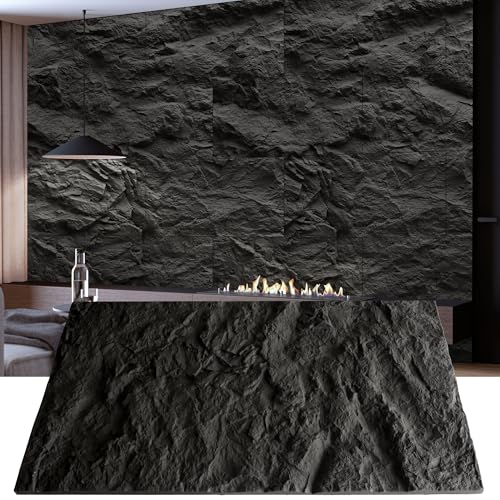
Immersive 3D Depth & Realistic Texture: Transform your space with dramatic cement-like texture and deep dimensional relief. Our panels create captivating focal walls in living rooms, bedrooms, offices, or entertainment areas—instantly elevating any interior with modern character

Large Coverage & Premium Material: Transform your space with 4 pieces of 47.2"x23.6" 3D wall panels, every set covers 31 sq.ft, crafted from soft porcelain Modified Clay Materials (MCM). These panels offer lightweight, high hardness, and wear-resistant properties, providing a durable and faux stone ceramic finish for both interior and exterior designs.
11. Arrange the Room to Define Its Use and Flow
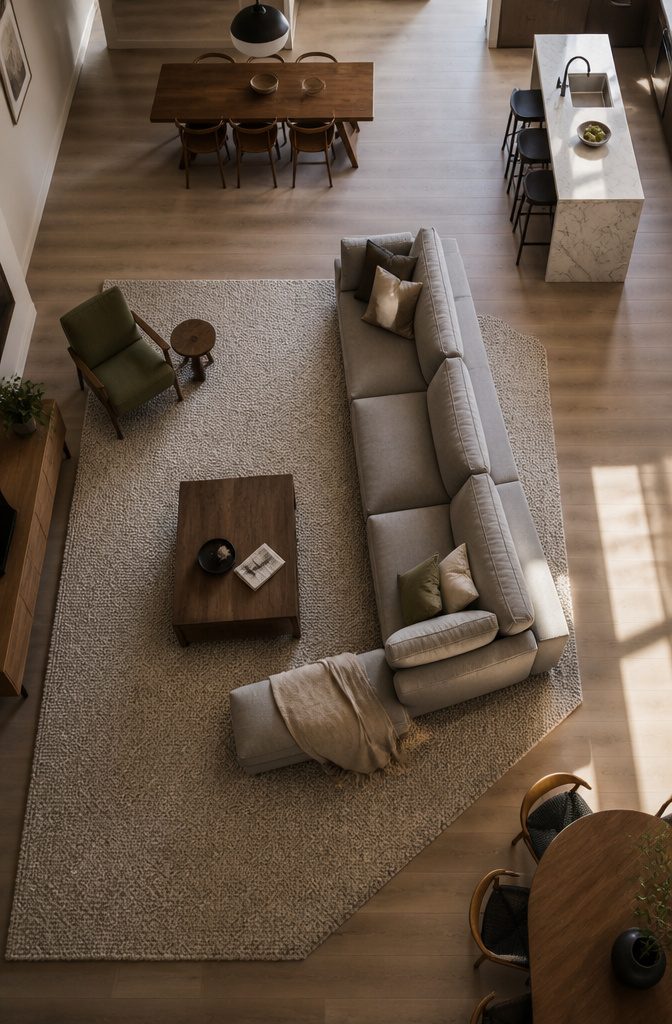
Open-plan spaces blur the boundaries between living, dining, and kitchen, so the living room becomes whatever your furniture says it is.
A sofa facing away from the dining table, anchored by a rug that stops short of the kitchen threshold, draws a line without building one.
The rug matters more than most people expect: it holds the seating group together and tells you where the living zone starts and ends.
A consistent palette across the whole floor keeps the space from fracturing into competing rooms. Same wall color, same trim, same flooring material where possible.
Changes in ceiling height, a shift from recessed lighting to a pendant, or a step down in floor level can mark the transition if the architecture gives you one, but most contemporary homes rely on arrangement alone.
The coffee table, the sectional, and the rug do the work walls used to do.
12. Integrate Technology Without Letting It Dominate
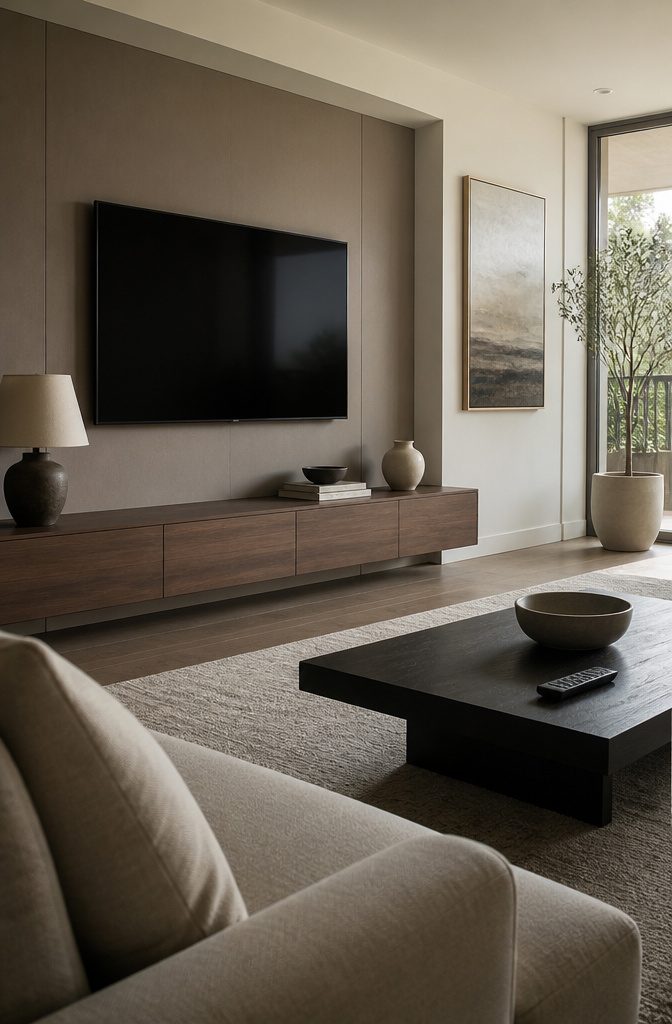
A wall-mounted television with concealed cables routed through the wall or tucked behind trim keeps the surface unbroken. Televisions that display art when off serve the same purpose: technology stays functional without announcing itself.
Wireless speakers replace the tangle of visible audio equipment, and smart lighting controlled by voice or app removes the need for a row of switches or a dimmer on the wall.
The gear is there when you need it and otherwise invisible.
The media wall can stay visible if the composition feels composed. A console paired with a few architectural objects, a stack of books, or a single piece of ceramic work balances the screen without competing with it.
Closed storage handles the clutter—remotes, cables, game controllers—while open space around the television keeps the arrangement calm. The screen becomes part of the wall rather than the reason for it.
How Contemporary Differs From Modern
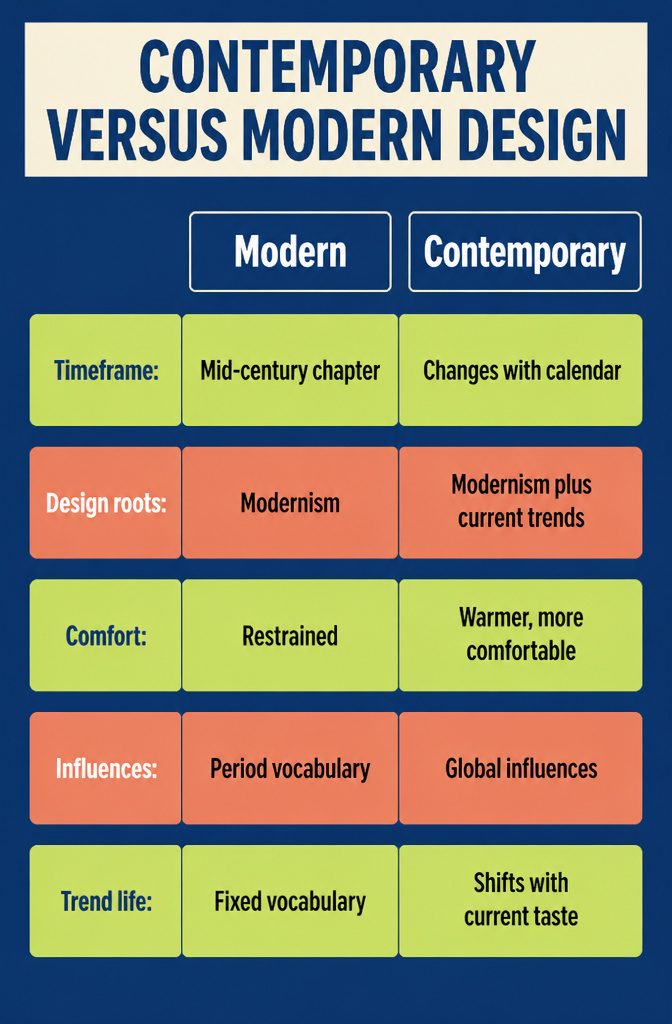
Modern design points to a specific chapter—mid-century modernism—while contemporary design moves with the calendar. The distinction matters because modern holds to the vocabulary of that period: the Eames chairs, the teak credenzas, the sunburst clocks.
Contemporary borrows freely from modernism but also pulls in what feels current this year, which means the look shifts as trends do.
The roots trace back to the late 1990s, when interiors began shedding ornament in favor of simplicity. Modernism is the foundation: clean lines, open plans, and restraint are inherited directly from that movement.
But contemporary layers on comfort and warmth that strict modernism often skipped, along with global influences—Moroccan textiles, Japanese joinery, Scandinavian light—that give the style range modernism didn’t claim.
If a room feels uncluttered and current but you can’t date it to a single decade, it’s likely contemporary.
How to Make a Contemporary Living Room Feel Cozy
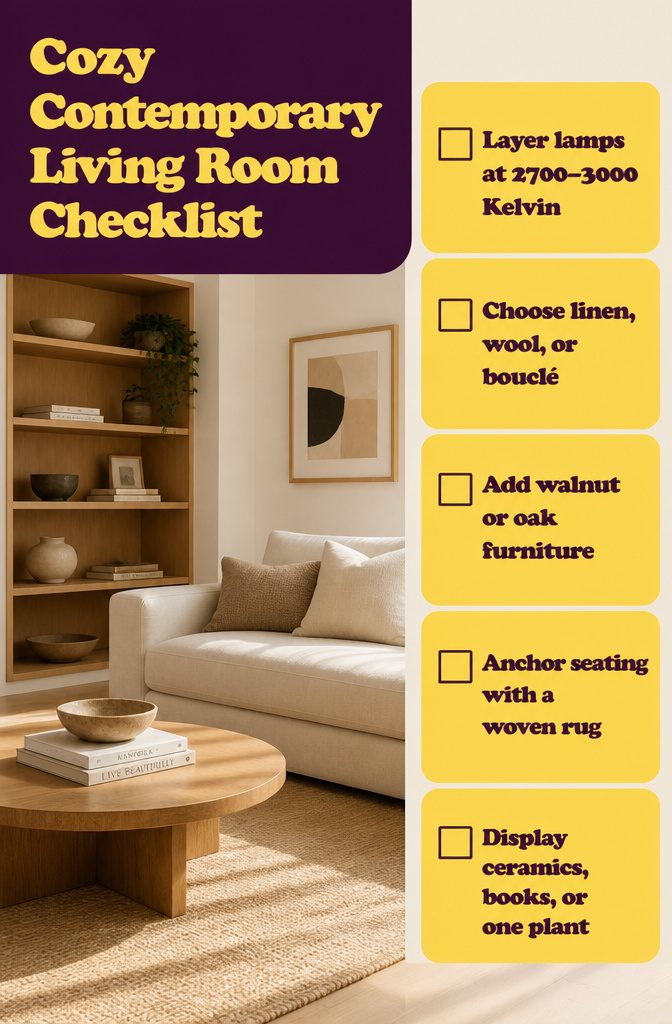
Contemporary living rooms lean clean and uncluttered, which can read as cold if the room has nothing but hard surfaces and cool whites.
Warmth is built in through deliberate choices about lighting, texture, and materials—things that give the space a lived-in quality without disrupting the style’s simplicity.
Here’s how to soften the look:
- Layer lighting with warmer temperatures. Overhead fixtures alone cast flat light; floor lamps and table lamps at 2700–3000 Kelvin bring warmth without shifting to yellow.
- Add texture through fabrics. Linen, wool, or bouclé upholstery on seating, plus throw pillows and a chunky knit blanket, give the room tactile depth.
- Use natural wood for a coffee table, side table, or shelving—walnut and oak both warm a neutral palette.
- Anchor the seating area with a textured rug, whether jute, wool, or a low-pile synthetic with visible weave.
- Bring in personal pieces like ceramics, books, or a single plant. Contemporary style allows for individuality; it just asks that each piece earn its place.
Frequently Asked Questions
What are 3 characteristics of contemporary design style?
Contemporary design uses clean lines and simple forms, a neutral color palette with optional pops of color, and a mix of natural materials like wood and stone for warmth.
The style stays current by adopting what feels fresh now rather than following one period.
Where does contemporary style originate from?
Contemporary style traces back to the late 1990s, when interiors began shedding ornament for simplicity. It pulls from mid-century modernism but also incorporates global influences like Moroccan textiles, Japanese joinery, and Scandinavian light.
What is contemporary furniture style?
Contemporary furniture uses sleek, low-profile silhouettes with straight arms and platform bases. Modular sectionals, sculptural chairs with curved arms, and pieces that serve multiple functions define the category.
What are the colors for contemporary style?
Neutrals form the base: beige, white, grey, and black. You can add pops of color through pillows, art, or an accent chair, or skip brightness and go darker with charcoal, espresso, deep brown, and olive for a moodier version.
What is contemporary lighting style?
Contemporary lighting layers 3 types: general light from recessed fixtures or a ceiling mount, task lighting from floor or table lamps, and accent lighting to highlight art or architectural detail. Sculptural fixtures act as visual anchors when the furniture stays neutral.
How do I make a contemporary living room feel cozy?
Use warm lighting at 2700–3000 Kelvin, layer textured fabrics like linen and wool, add natural wood furniture, anchor the seating with a textured rug, and bring in personal pieces like ceramics or a plant.
Warmth comes from deliberate choices about texture and materials, not from changing the style’s simplicity.
How can I update my living room without replacing everything?
Start with the coffee table. Swapping it for a piece with a sculptural base or unusual material shifts the whole composition without touching walls or seating, and the surrounding furniture suddenly looks intentional.
What is a contemporary theme in interior design?
A contemporary theme reflects what feels current now. It uses clean lines, open plans, and restraint inherited from modernism but adds comfort, warmth, and global influences that give the style more range than strict modernism claimed.
Are curved sofas still popular?
Yes.
Curved furniture remains a contemporary direction when balanced with simpler geometric pieces. A rounded coffee table or sculptural chair with curved arms softens linear sofas and keeps the room from reading cold.